بيان
𖣔زخرف

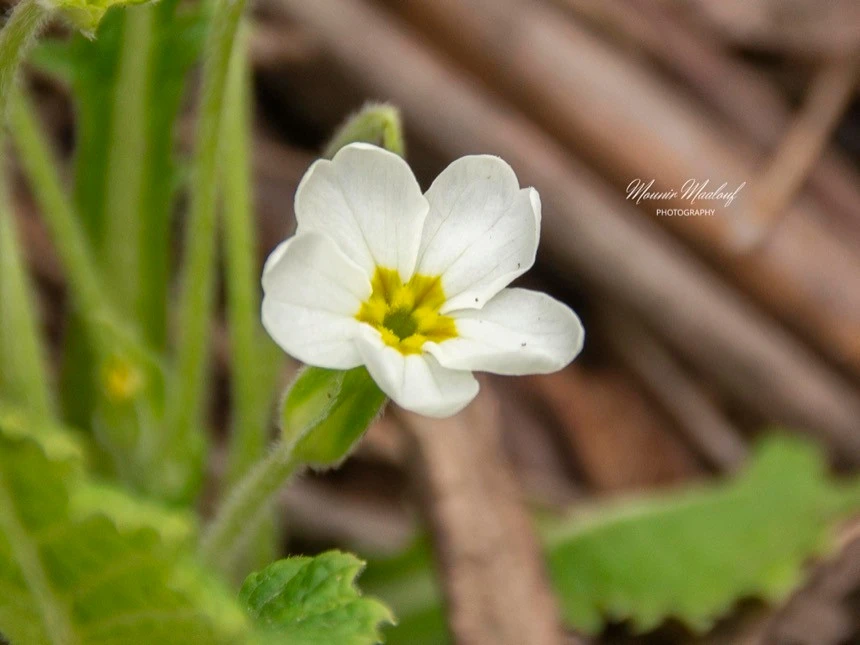
زهرة الربيع الشائعة

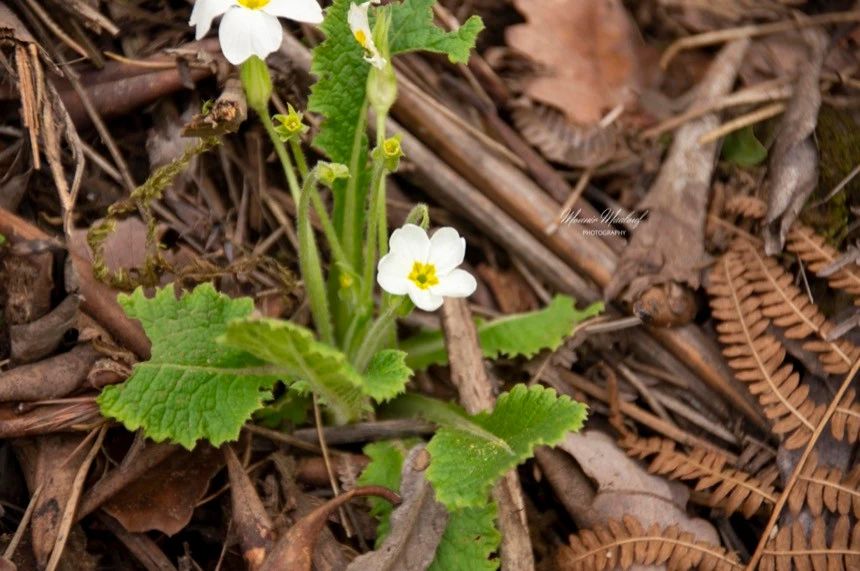
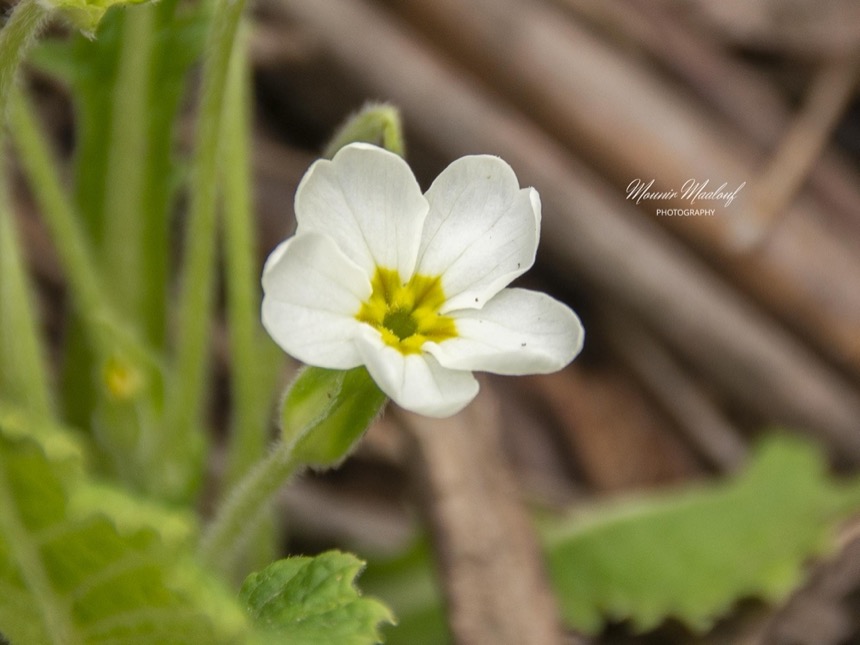
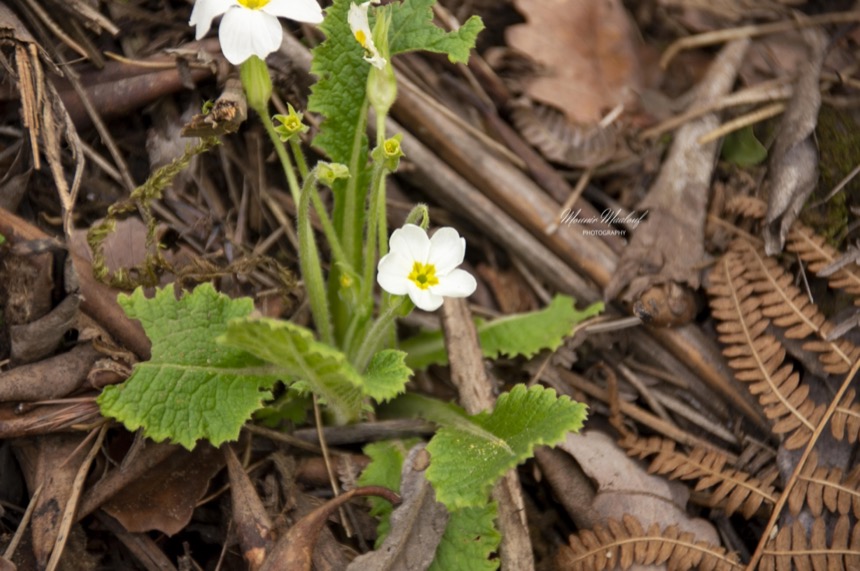
زَهْرَةُ الرَّبِيعِ الشَّائِعَةُ، زهرة الربيع عديمة الساق

Primula vulgaris

الفصيلة المرسينية · Primulaceae
الوصف النباتي

الأوراق
Leaves: Obovate-oblong, somewhat wrinkled and blistered, hairy beneath, especially along the veins, and narrowing into a short stalk.
الأزهار
Inflorescence & flowers: Flower stalks as long as or shorter than the leaves, softly velvety like the calyx. Calyx angular, with erect lanceolate teeth. The broad corolla limb is divided into inversely heart-shaped lobes and is yellowish-white or pale red. Mouterde notes that reddish flowers are relatively frequent locally but do not predominate, especially at low elevations.

الموائل والبيئة

وصف الموئل

Habitat & elevation: Shaded or damp places.

مواسم النبات

الفنلوجية
Phenology: March–April, continuing until June in the mountains.

الانتشار الموثق

Lebanese distribution: Jezzine, Ghazir, Ghine, Mchata, Faraya, Mejdel towards Afqa, Neba el Assal, Jabal Hadid, Tannourine, Qomair, Bcharre–Ehden, above Sir, Akkar el Atiq and Qoubbayat.

Syrian distribution: Safita, Nabi Younes, Slenfe and Ain Haramiyé.

Recorded locations: Kfertay.

Native range: Albania, Algeria, Austria, Baleares, Belgium, Bulgaria, Central European Russia, Corse, Cyprus, Czechia-Slovakia, Denmark, East Aegean Is., France, Føroyar, Germany, Great Britain, Greece, Hungary, Ireland, Italy, Kriti, Krym, Lebanon-Syria, Morocco, Netherlands, North Caucasus, Norway, NW. Balkan Pen., Portugal, Romania, Sicilia, Spain, Switzerland, Transcaucasus, Türkiye, Türkiye-in-Europe, Ukraine. Kew lists Poland and Sweden separately as extinct.
لمحة نباتية

بنية النبات
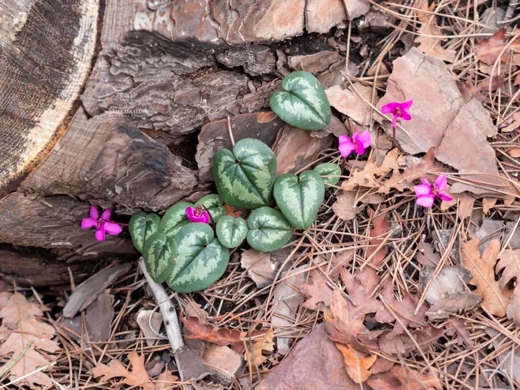
Life-form & habit: Perennial with leaves in a basal rosette and numerous single-flowered stalks, 5–10 cm high including the flowers.
دورة الحياة
معمرة

الفصيلة والتصنيف

الاسم العلمي المقبول
Primula vulgaris
الفصيلة
المرسينية

نباتات من الفصيلة نفسها

المظهر
خط النص
حجم النص
صغير100%كبير
معاينة مباشرة

وقد كان في الهجران لو كنتَ ناسِيًا
رَمِيمَ، وَهَلْ يُنْسَى رَبِيعٌ وَصَيِّفُ

Salvia lanigera Poir.