Telephium imperati subsp. orientale
الفصيلة قرنفلية · Caryophyllaceae
معرض النبات
حقوق الصور وإسنادها
- المصدر · الصورة الأصلية
© Ramy Maalouf 2020 - 2026
- المصدر · الصورة الأصلية
© Ramy Maalouf 2020 - 2026
- المصدر · الصورة الأصلية
© Ramy Maalouf 2020 - 2026
- المصدر · الصورة الأصلية
© Ramy Maalouf 2020 - 2026
- المصدر · الصورة الأصلية
© Ramy Maalouf 2020 - 2026
- المصدر · الصورة الأصلية
© Ramy Maalouf 2020 - 2026
- المصدر · الصورة الأصلية
© Ramy Maalouf 2020 - 2026
الوصف النباتي
- الأوراق
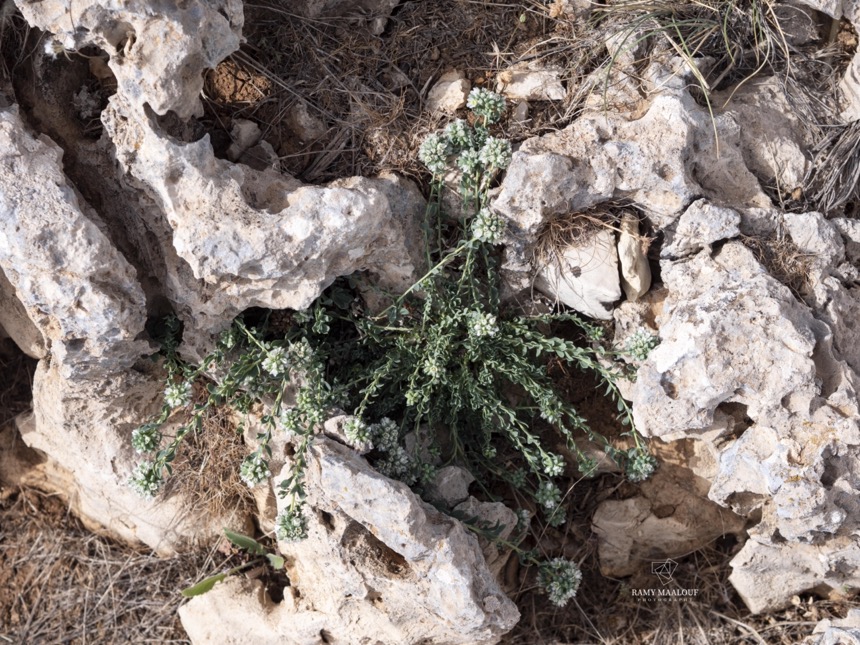
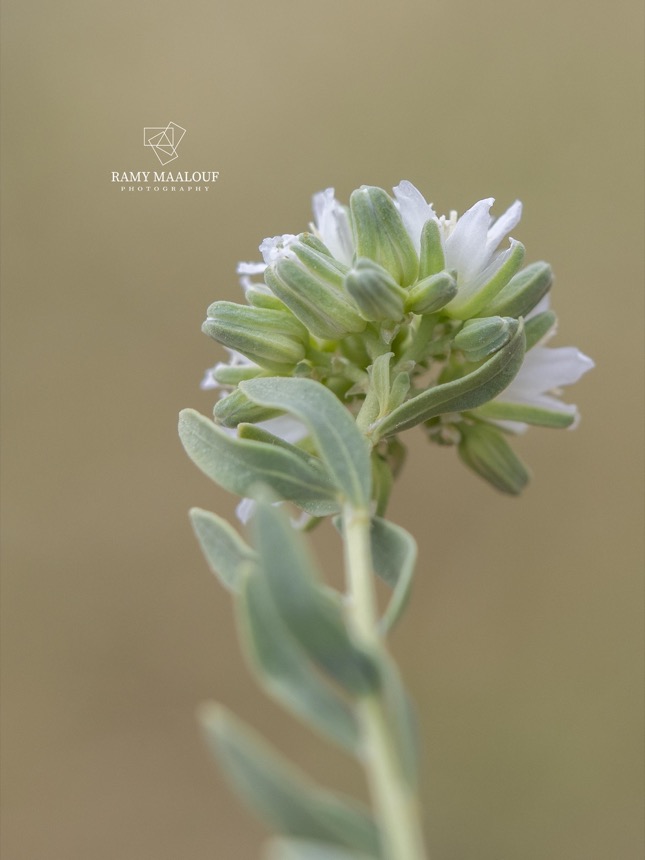
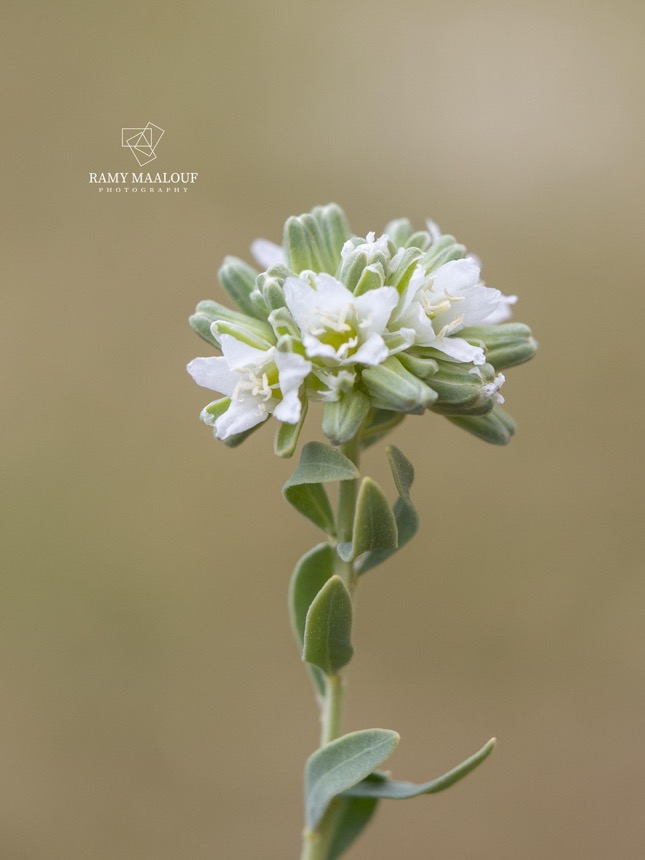
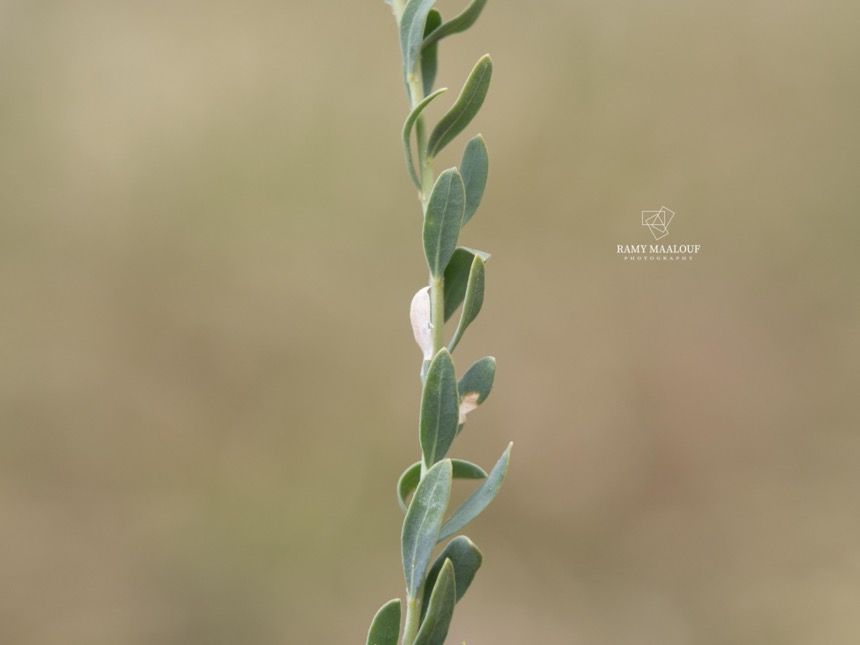
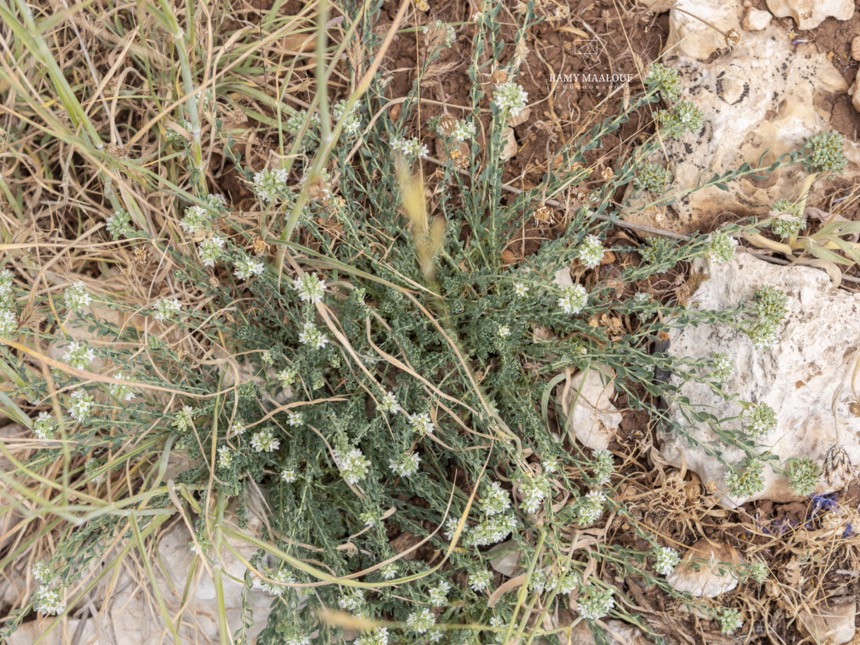
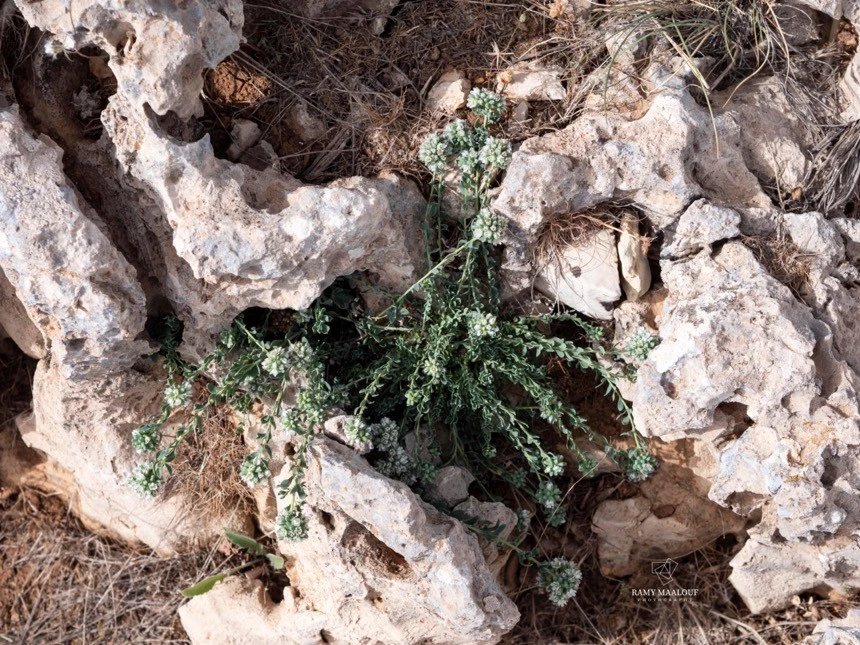
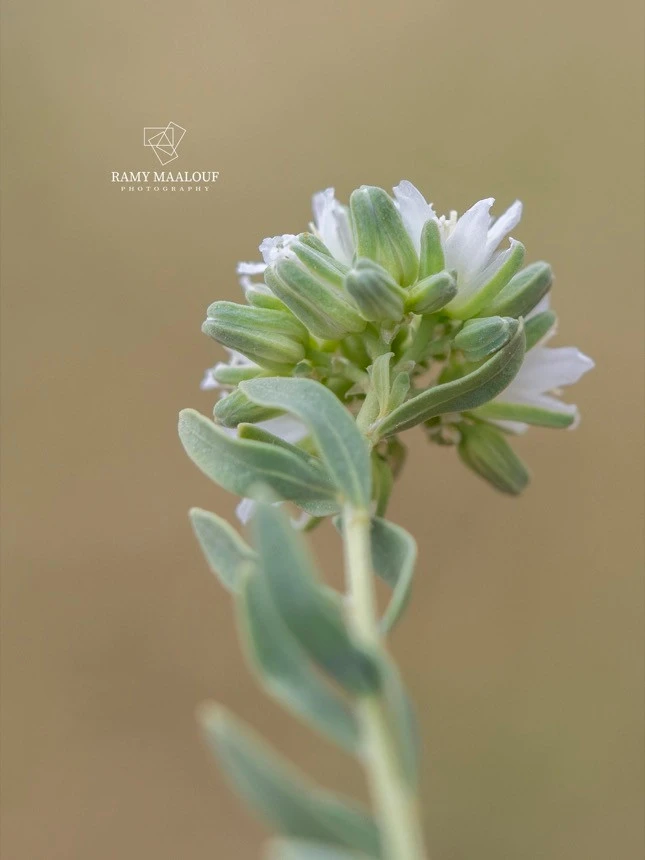
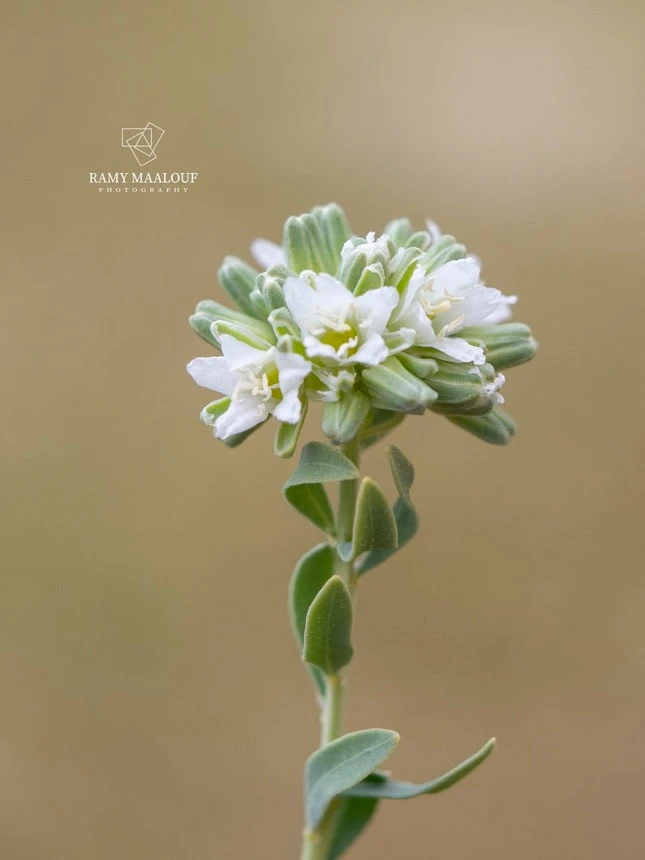
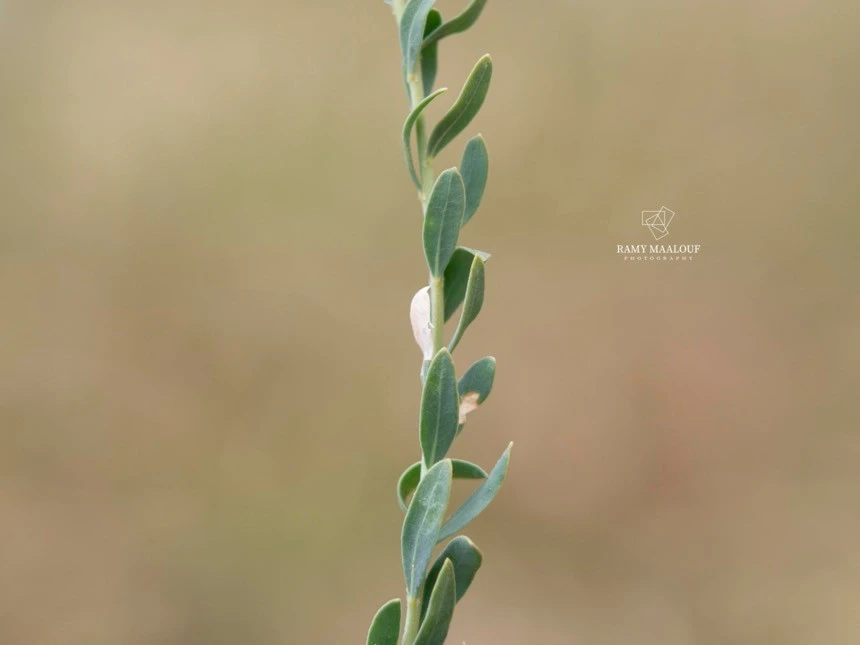
- Leaves: Alternate, sessile or subsessile, elliptic to obovate, 10–30 × 3–10 mm, entire or slightly denticulate, glabrous above, sparsely pubescent beneath, margin thickened. Basal leaves smaller, spatulate; upper leaves progressively reduced.
- الأزهار
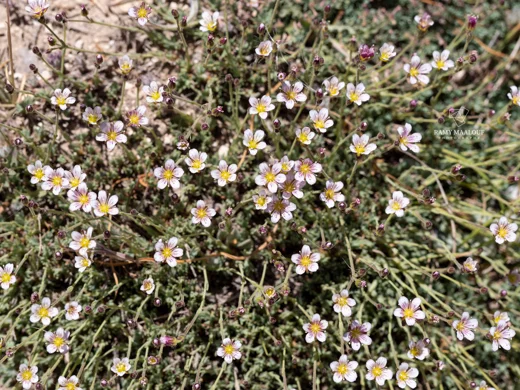
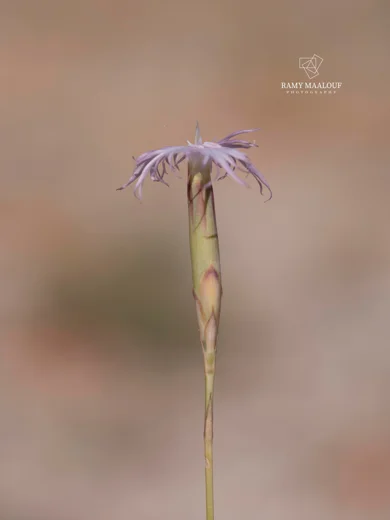
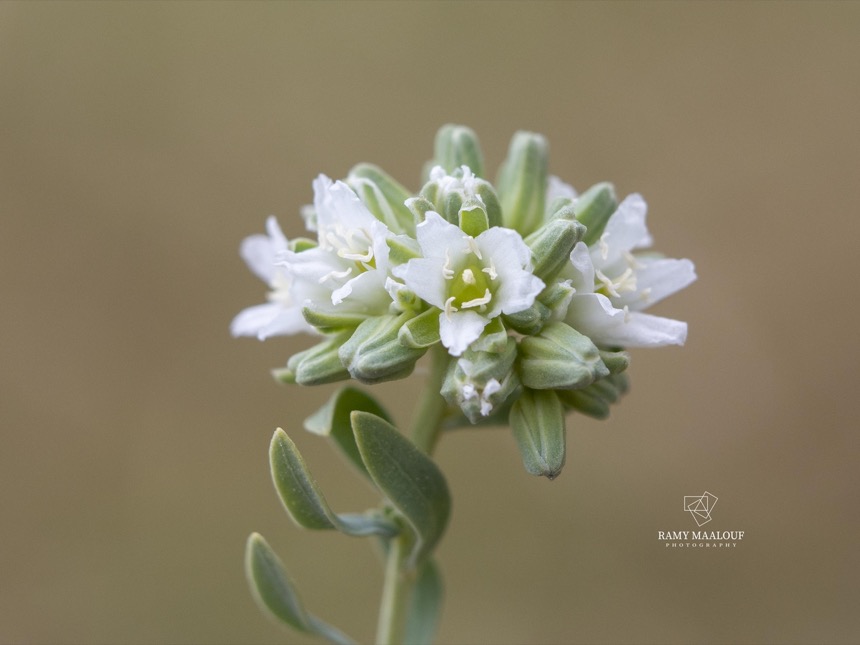
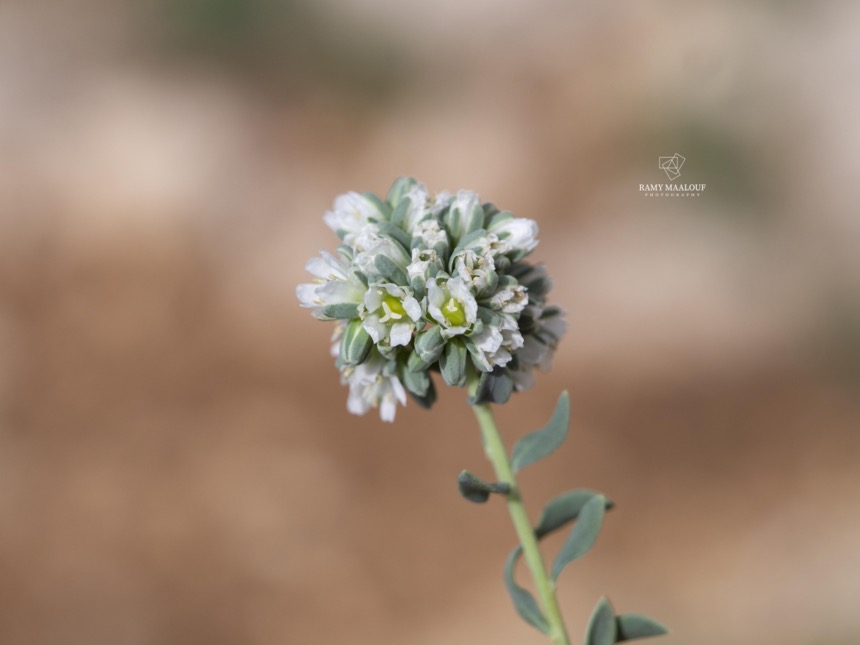
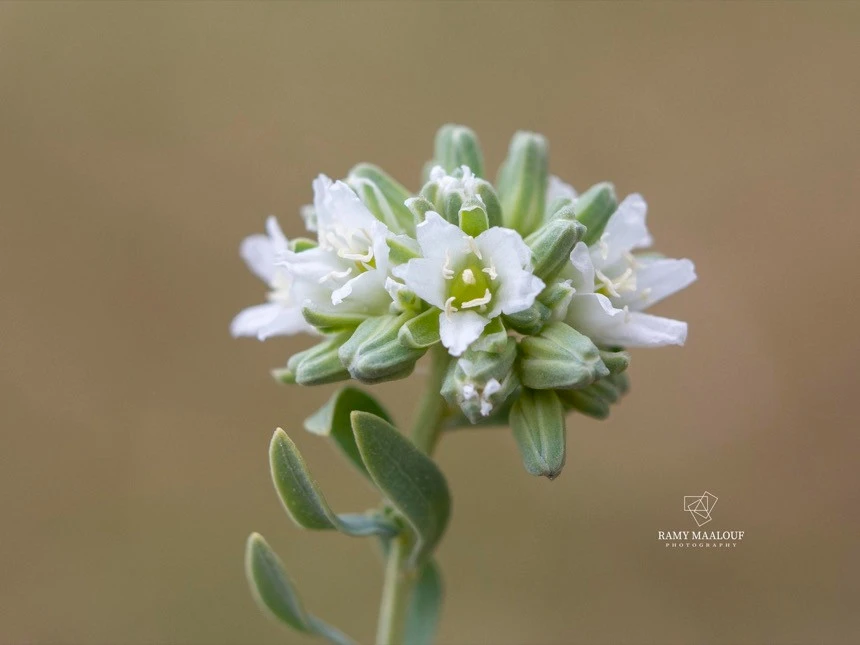
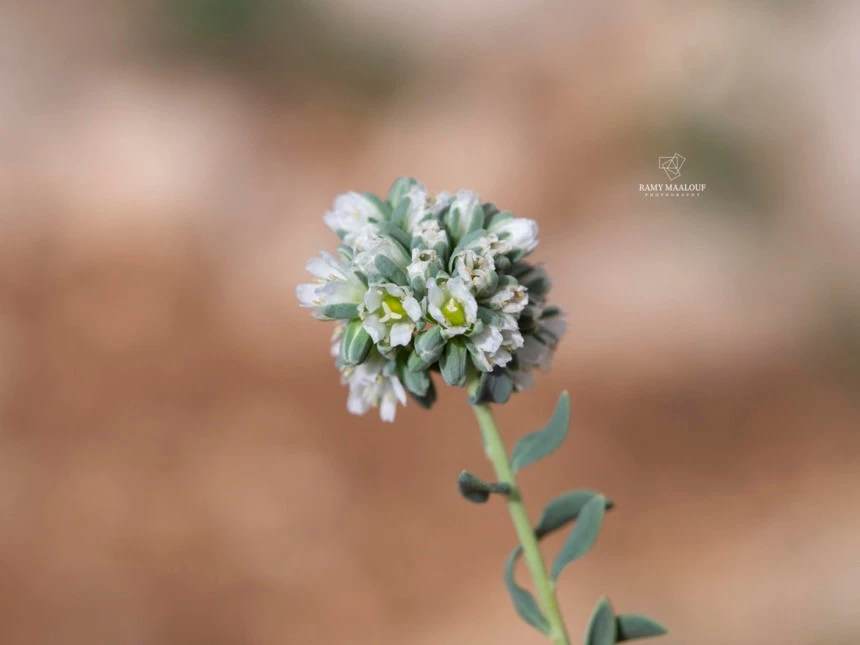
- Inflorescence & flowers: Terminal or axillary cymes, few- to many-flowered, dense, forming flat-topped clusters. Flowers small (3–5 mm), pink to purplish-red. Calyx with 5 narrow, acuminate lobes; petals 5, oblong, slightly unequal; stamens 5, inserted at petal base; styles 3, short.
- الثمار والبذور
- Fruit: Capsule small, 3–4 mm long, oblong-trigonous, opening by three valves; seeds numerous, minute, brownish, finely reticulate.
الموائل والبيئة
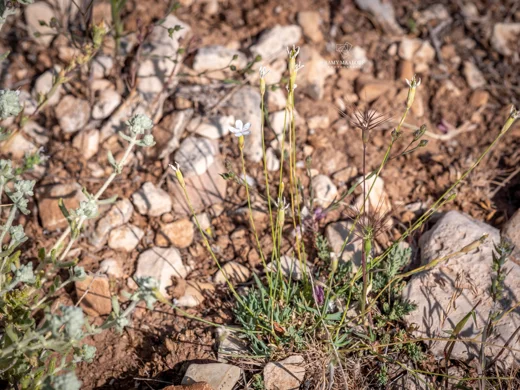
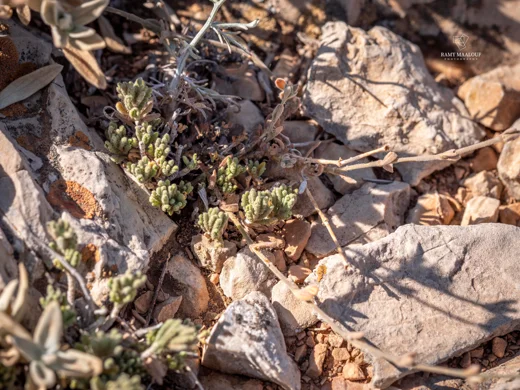
Habitat & elevation: Rocky slopes, dry open steppes, and limestone plateaus, 500–1 900 m; grows on thin, stony calcareous soils, often exposed to full sun and drought.
التربة والركيزة
الرطوبة
مواسم النبات
- الفنلوجية
- Phenology: Flowers and fruits from May to August.
الانتشار الموثق
Lebanese distribution: Recorded by Mouterde from Mount Lebanon and the Beqaa — especially Zahlé, Barouk, Dahr el-Baïdar, and Ras Baalbeck. Locally frequent in arid, open habitats of the montane steppe belt.
Native to: Afghanistan, Cyprus, Greece, Iran, Iraq, Lebanon-Syria, North Caucasus, Pakistan, Sinai, Transcaucasus, Turkmenistan, Türkiye (POWO).
الارتفاع الموثق
- الارتفاع
- 900 m
لمحة نباتية
- بنية النبات
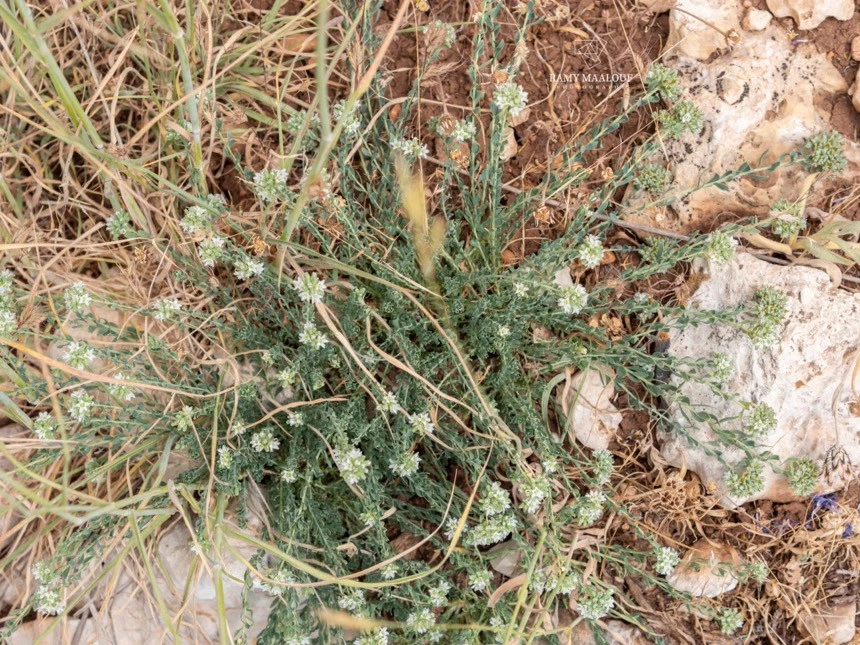
- Life-form & habit: Perennial herb, 10–30 cm tall, with a thick, woody rhizome and erect to ascending, often reddish stems. Base woody and branched, forming small, loose tufts.
- دورة الحياة
- معمرة
الفصيلة والتصنيف
- الاسم العلمي المقبول
- Telephium imperati subsp. orientale
- الفصيلة
- قرنفلية