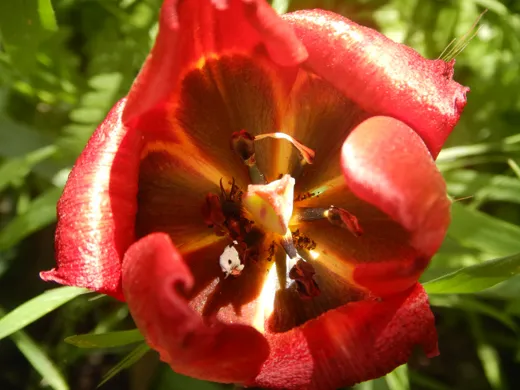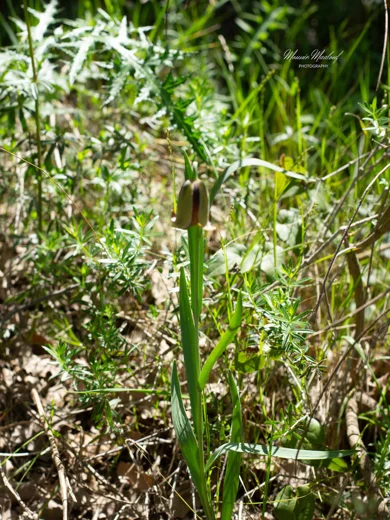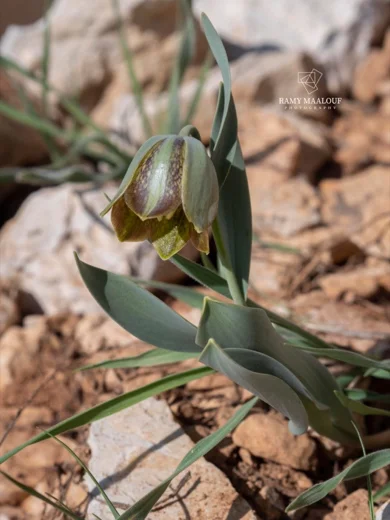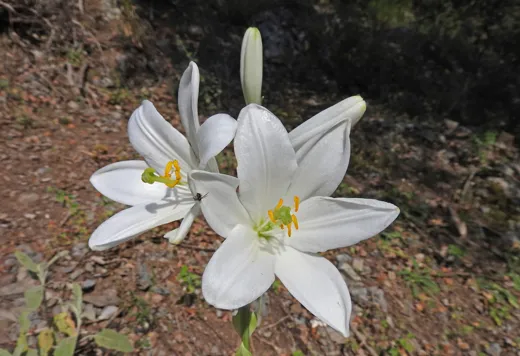
زنبق أبيض
Lilium candidum
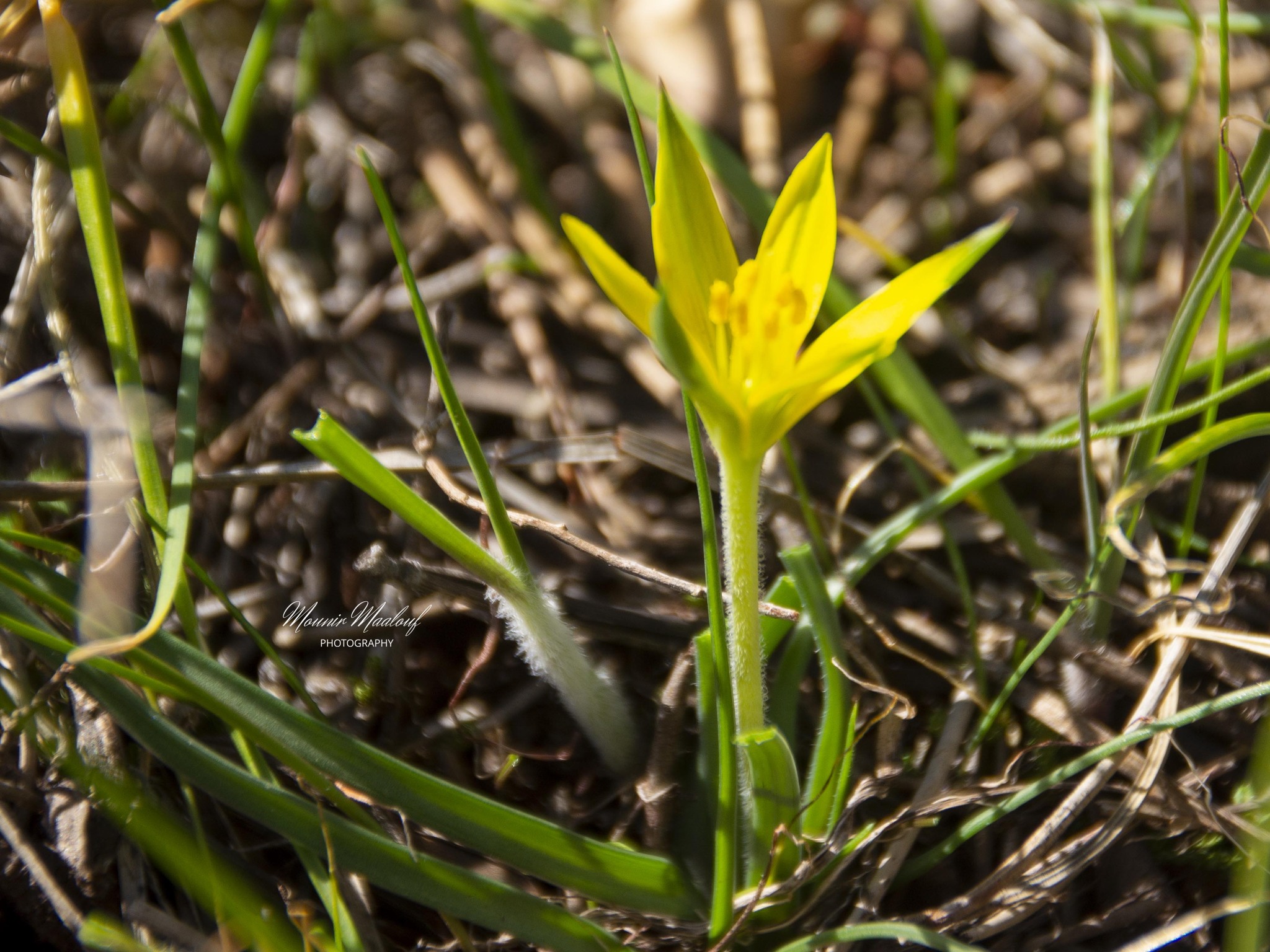
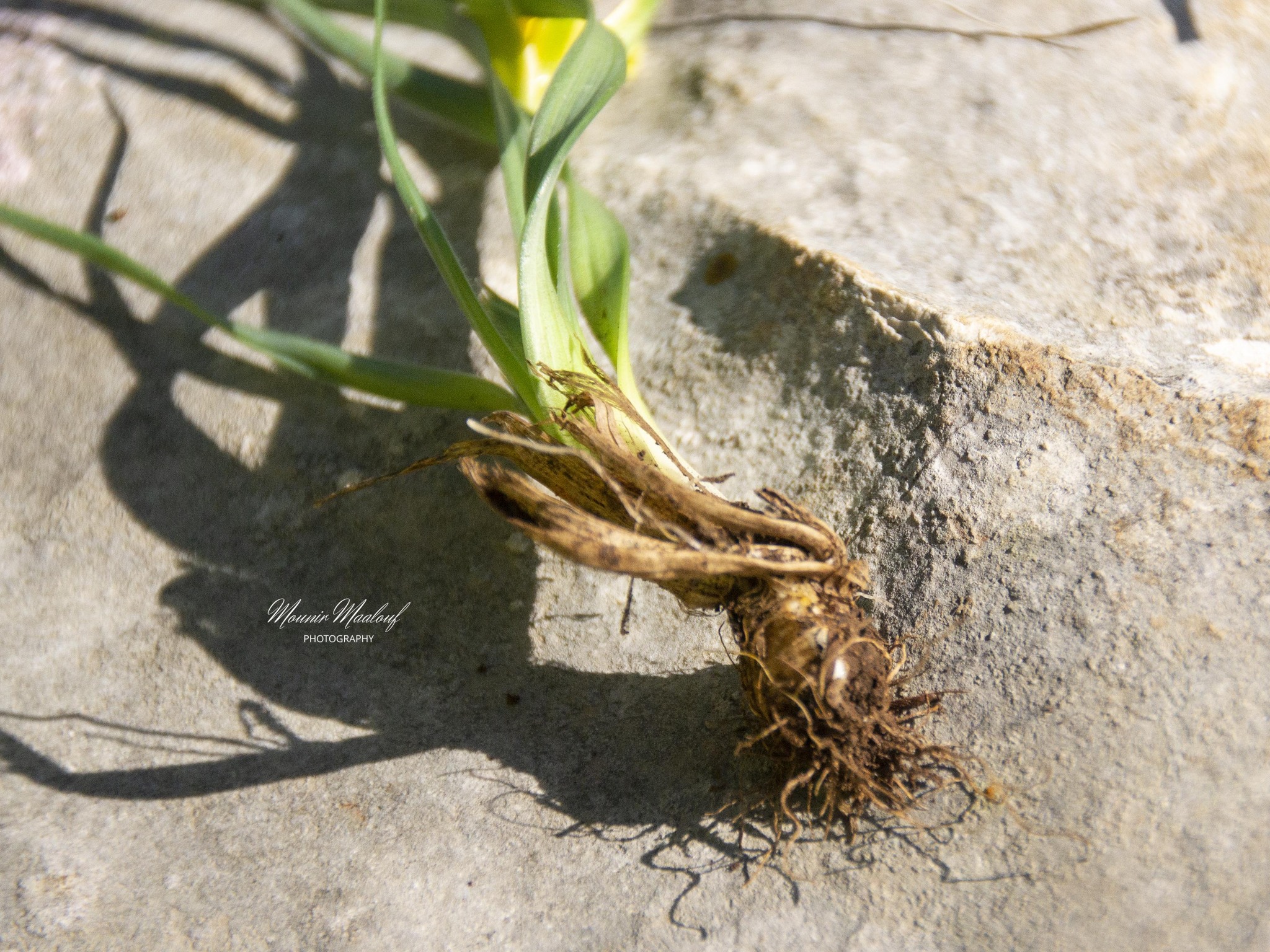
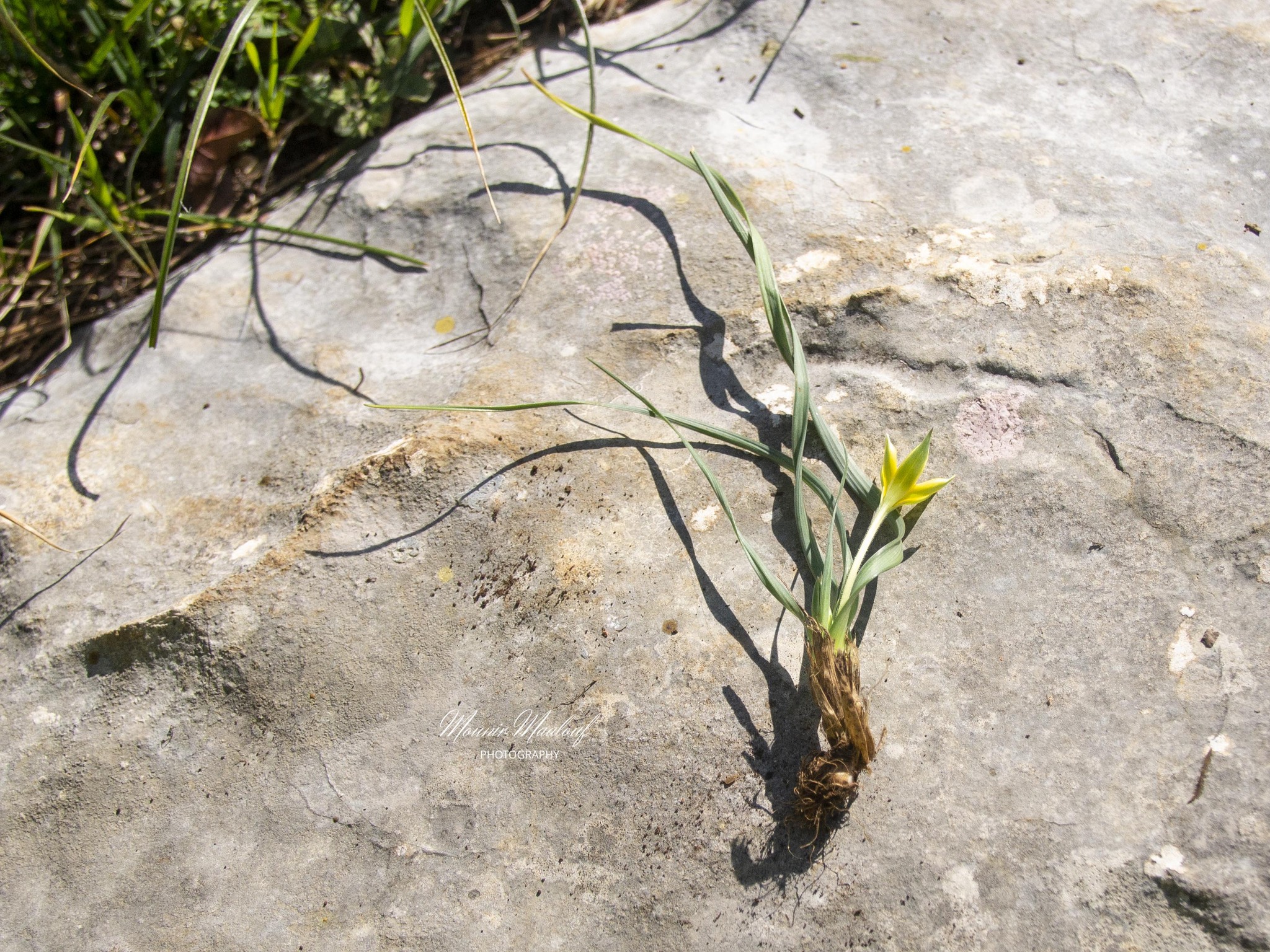
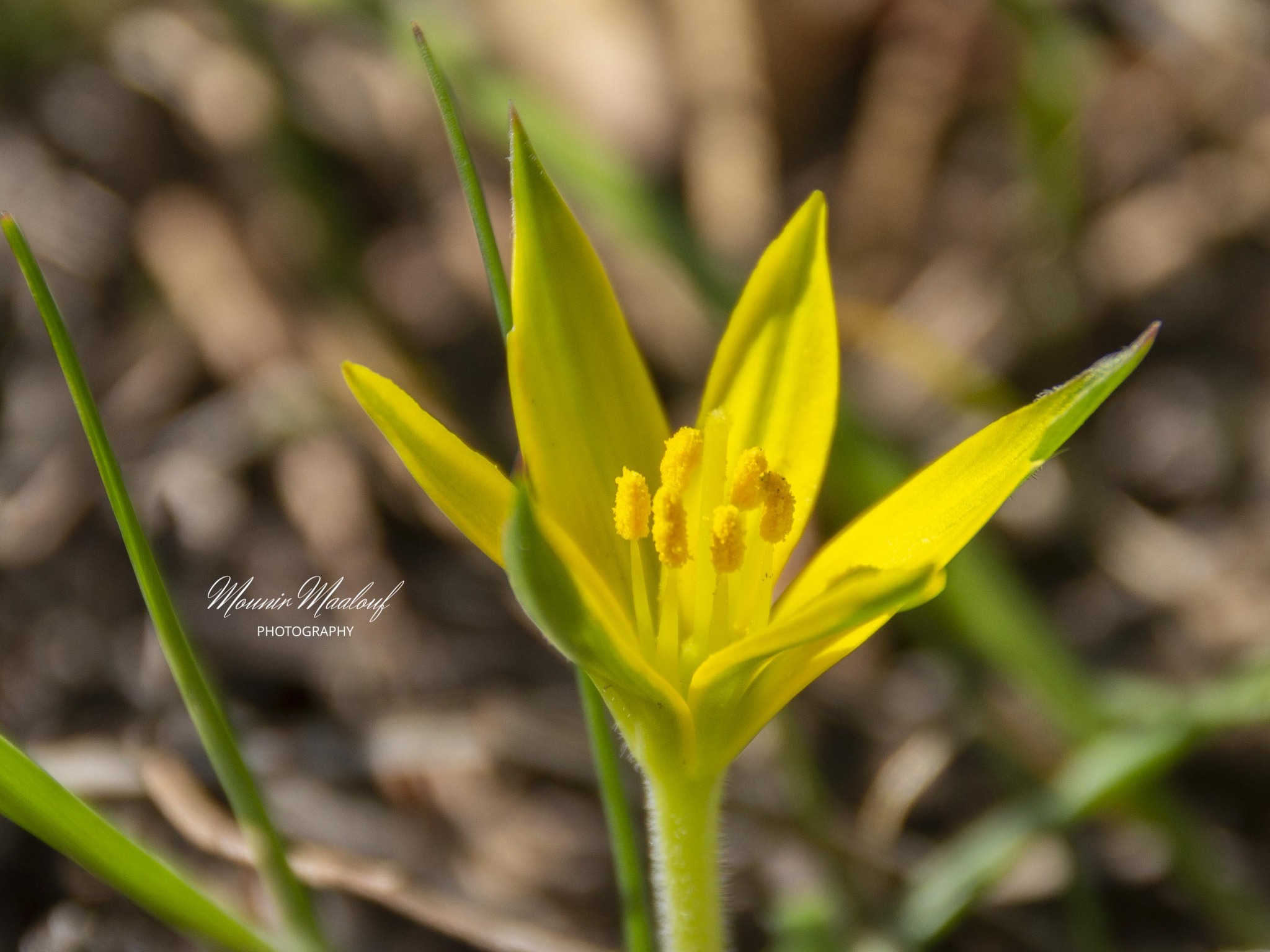
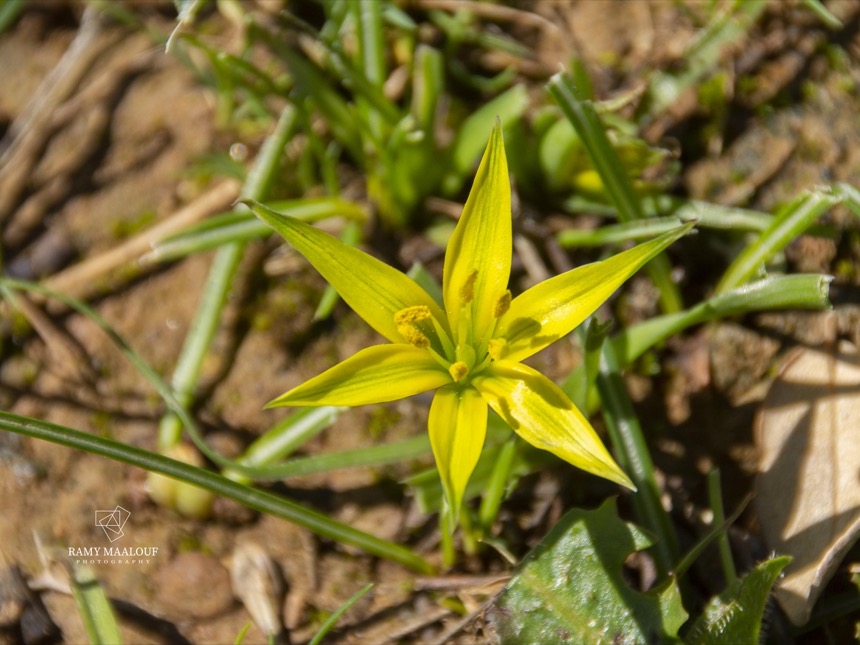
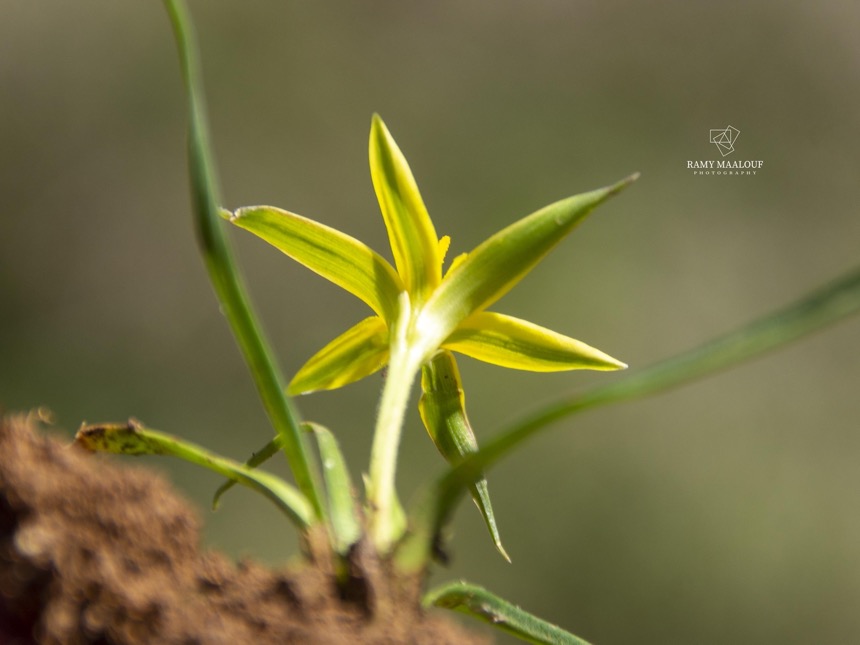
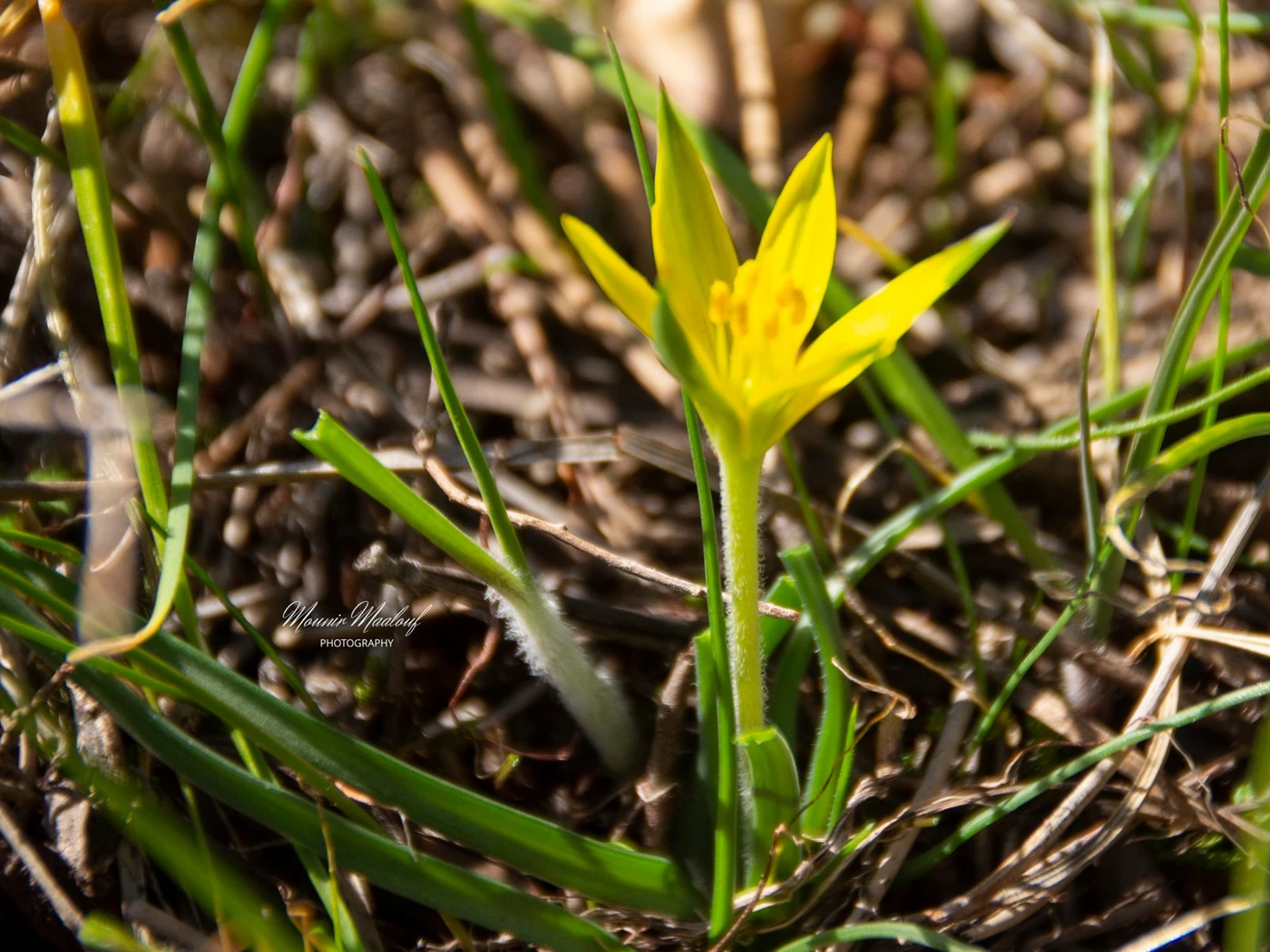
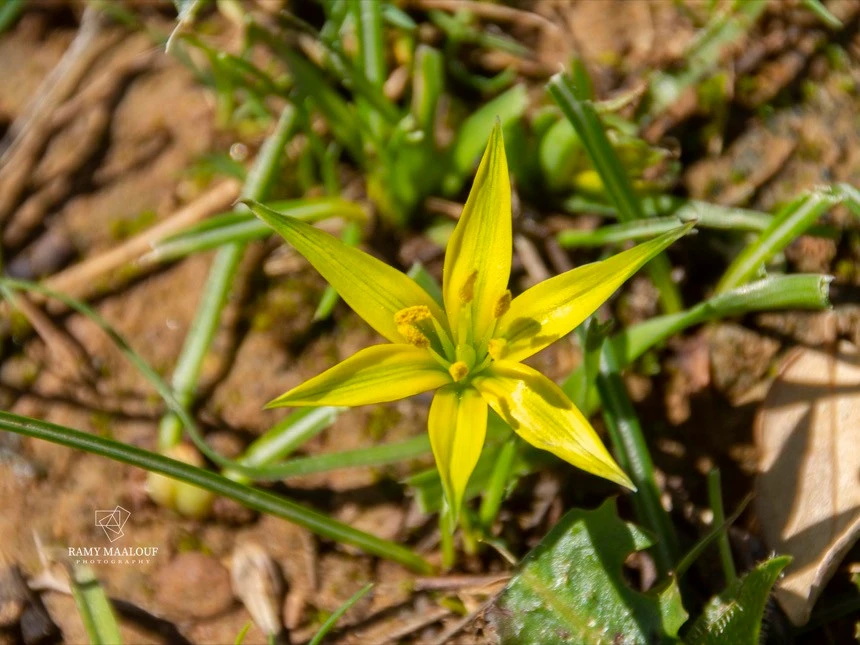
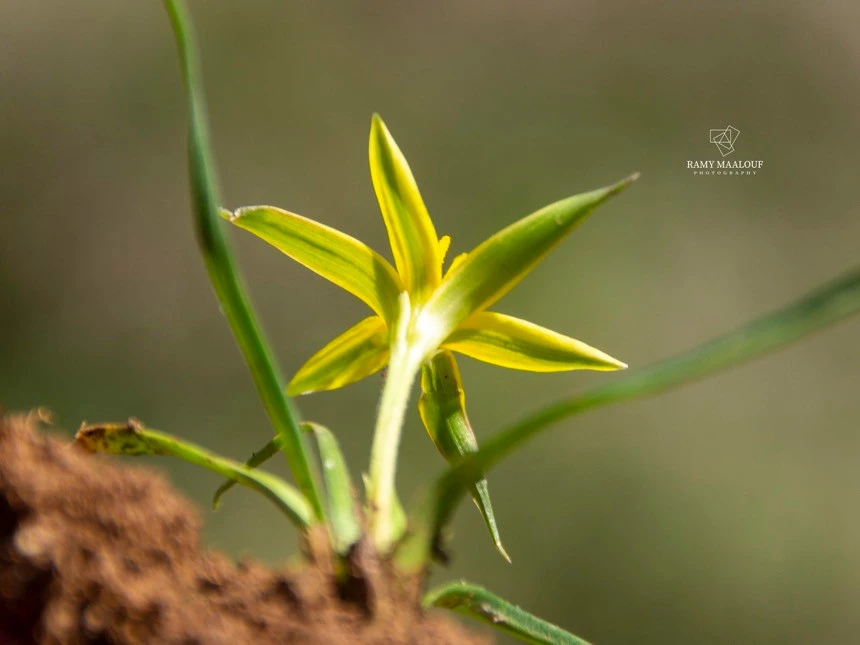
Gagea reticulata
الفصيلة الزَّنبقية · Liliaceae
Netveined Star of Bethlehem
© Ramy Maalouf 2020 - 2026
© Ramy Maalouf 2020 - 2026
© Ramy Maalouf 2020 - 2026
© Ramy Maalouf 2020 - 2026
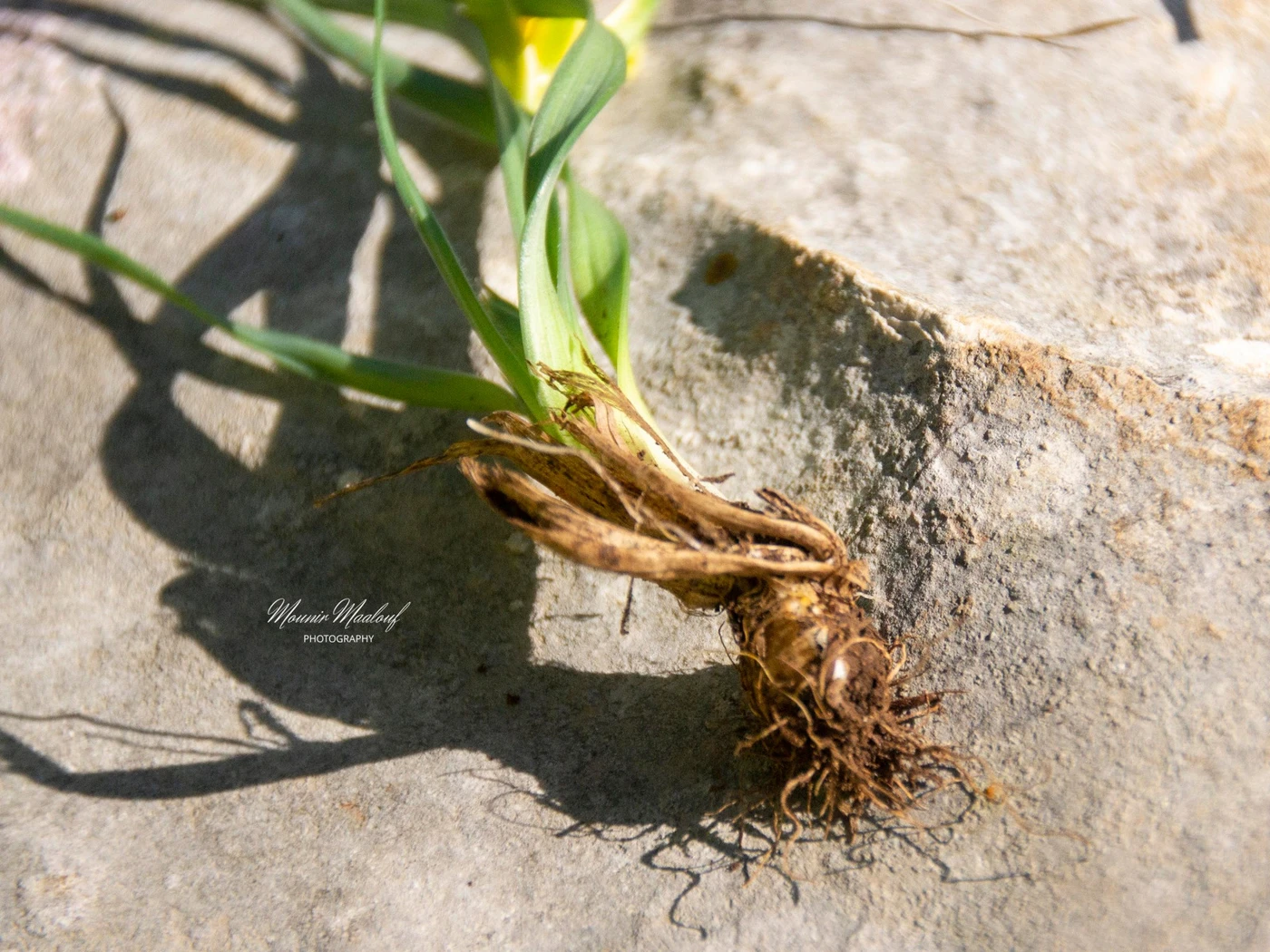
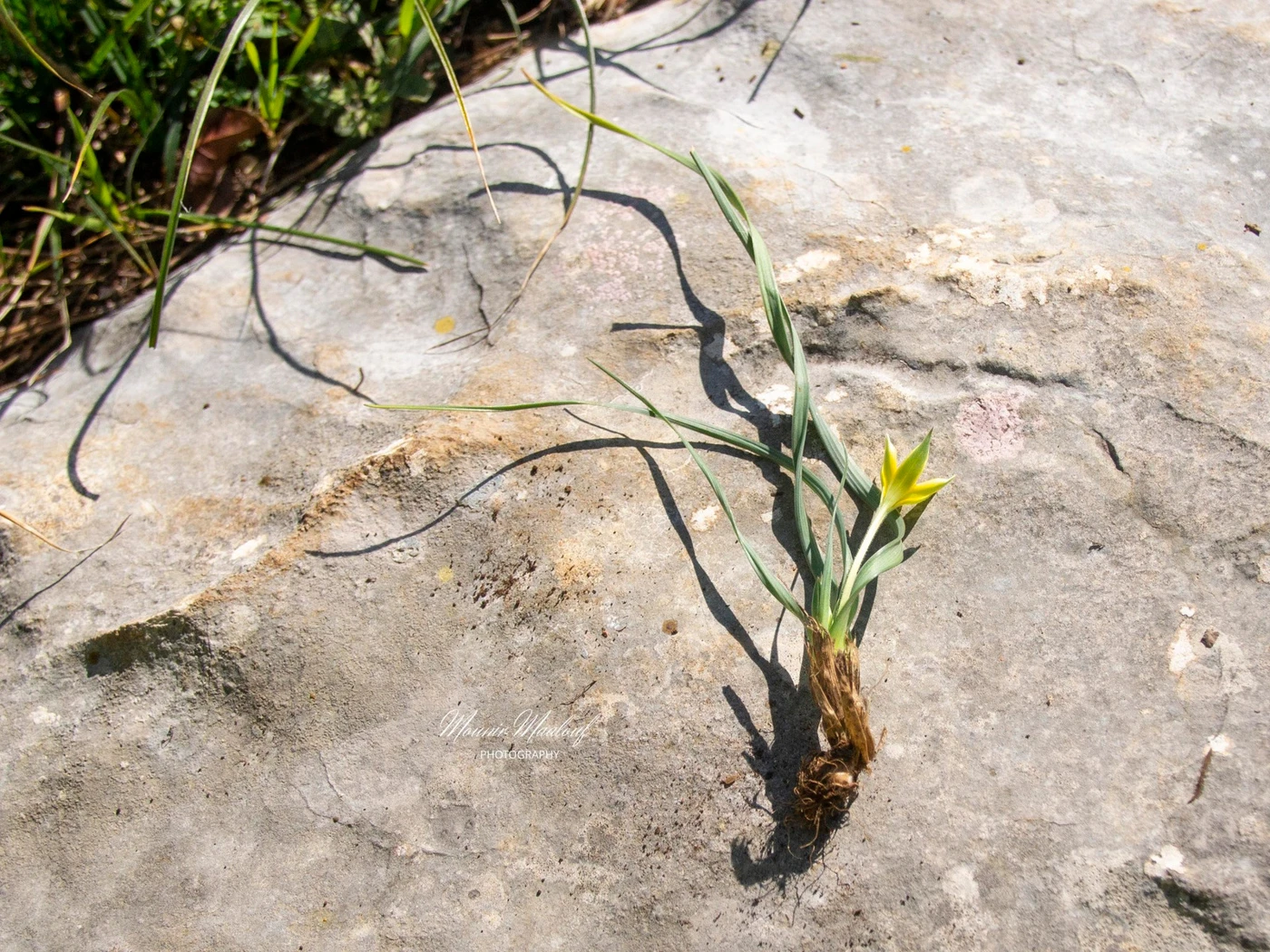
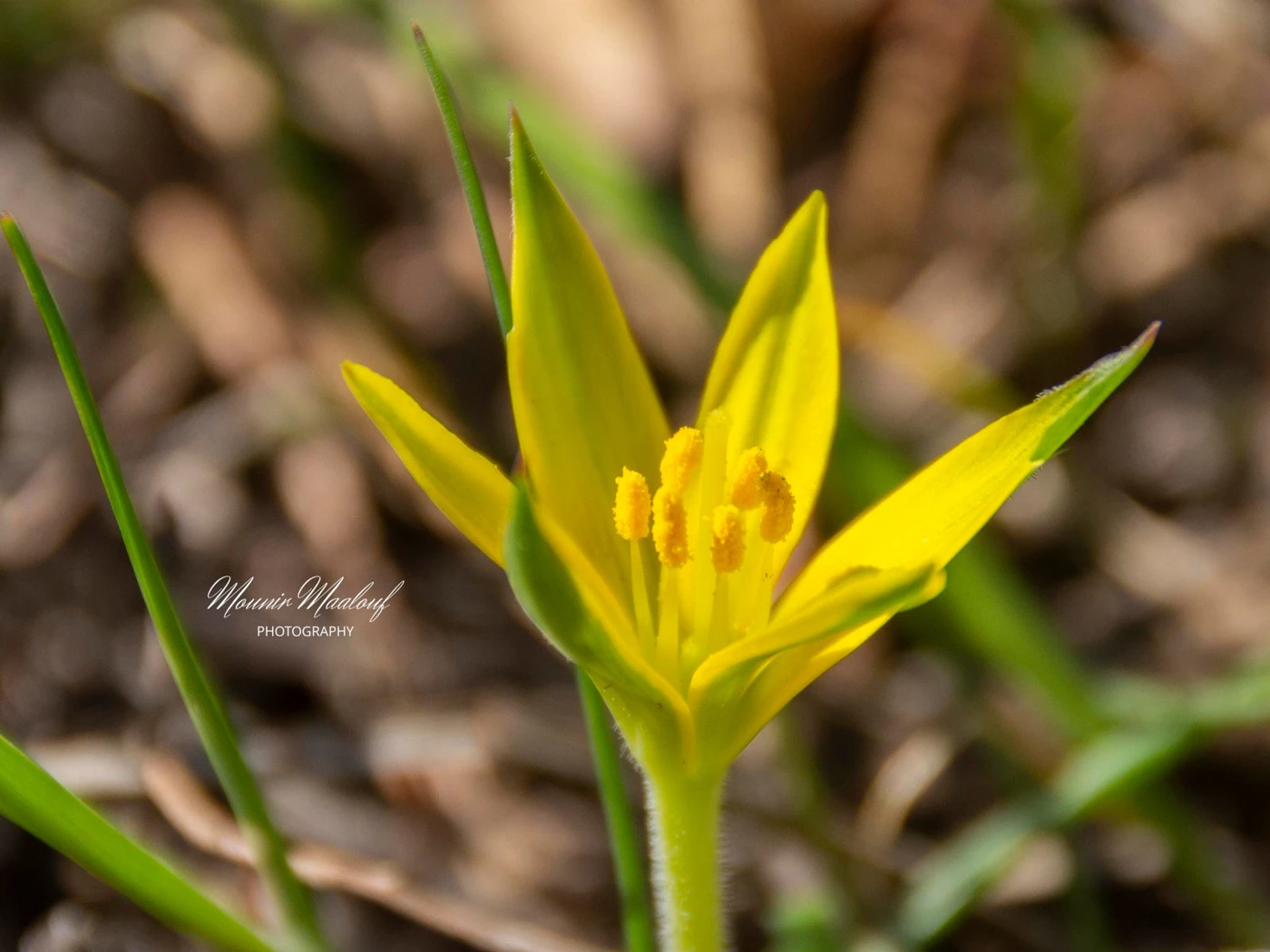
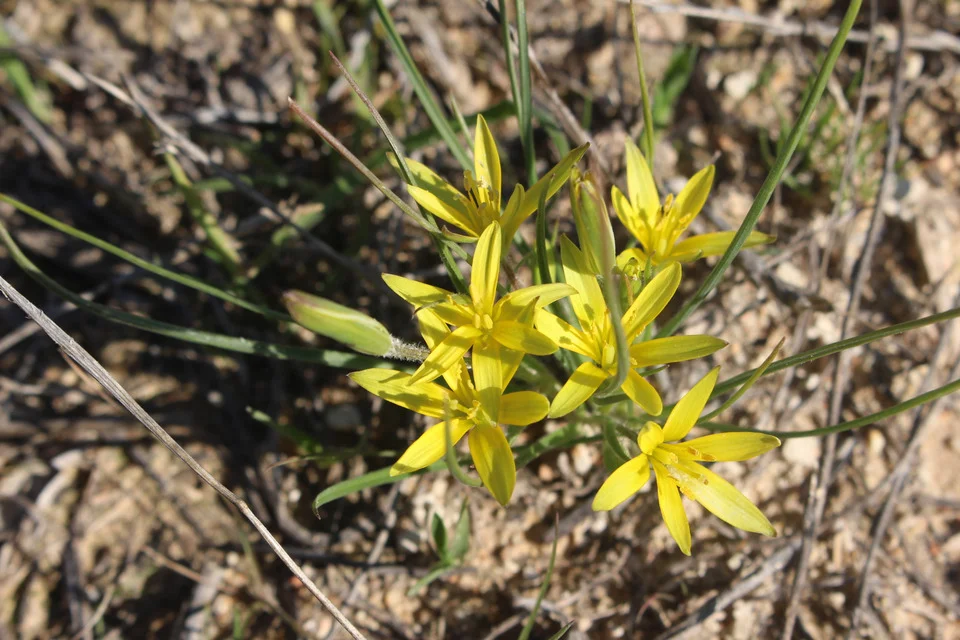
الترخيص كما ورد: الأزهار والأوراق، شهر شباط. هذه الصورة مرخصة تحت المشاع الاٍبداعي نسب المصنف - غير تجاري 4.0
الأزهار والأوراق، شهر شباط. هذه الصورة مرخصة تحت المشاع الاٍبداعي نسب المصنف - غير تجاري 4.0
© Ramy Maalouf 2020 - 2026
© Ramy Maalouf 2020 - 2026
Habitat & elevation: A highly plastic species occurring from coastal and lower-montane sites to middle and high mountain localities. In Lebanon it is recorded from the coastal belt, the lower mountain zone, the middle mountain zone, the high mountain summits, the Beqa'a and Baalbeck region. It is therefore not confined to one ecological belt, but appears in open, rocky, grassy or lightly wooded habitats across a broad altitudinal range.
Lebanese distribution: Widely recorded by Mouterde from Khaldé, Beirut, Hazmiyé, Mkallès, Nahr-el-Kelb and Tripoli on the coast; from Rochmaya, Souq-el-Gharb, Baabda, ‘Aley, Beit Méri, below Beit Méri, Mar Moussa between Bhannès and Dhour Choueir, Bikfaya, Jabal Terbol and Ghiné in the lower mountain belt; from Jabal Barouk, Sofar, Jabal Kneissé, Laqlouq, Hasroun and Hadeth in the middle mountain belt; also from the summits of Lebanon, Qoubaiyat, Zahlé, Ksara, Ta‘naïl, Rayak and Baalbeck. The Qornet Chehwan material falls very naturally within this same lower-montane Beirut-Metn area, close to Mouterde’s records from Mkallès, Beit Méri, below Beit Méri, Mar Moussa and Bikfaya.
Native range: In the broad modern sense, POWO treats Gagea reticulata as native from southeastern and eastern Europe to the western Himalaya and the Arabian Peninsula. Mouterde gives a similarly broad range: North Africa, Balkans, western Asia, central Asia, Russia and Siberia.