بحث

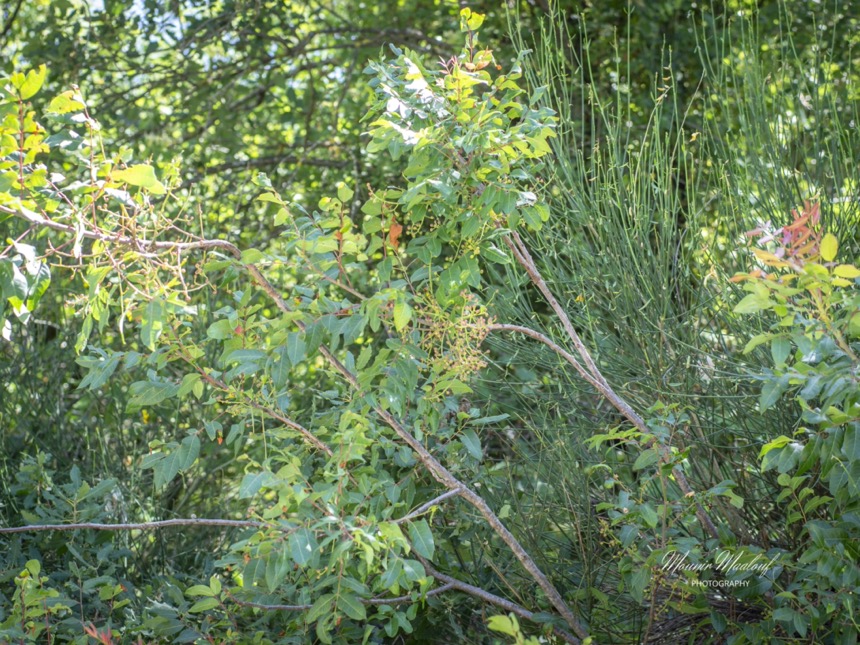
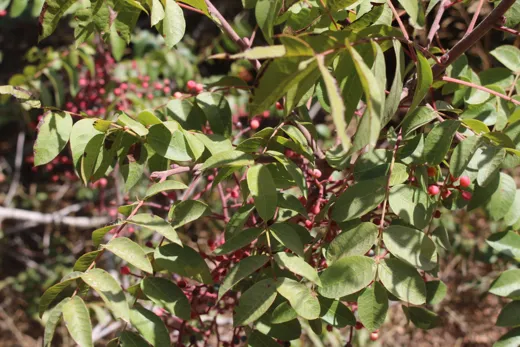
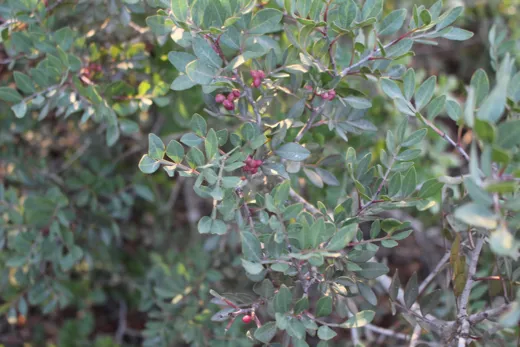
Pistacia terebinthus subsp. palaestina

الفصيلة بطمية · Anacardiaceae

الوصف النباتي

الأوراق
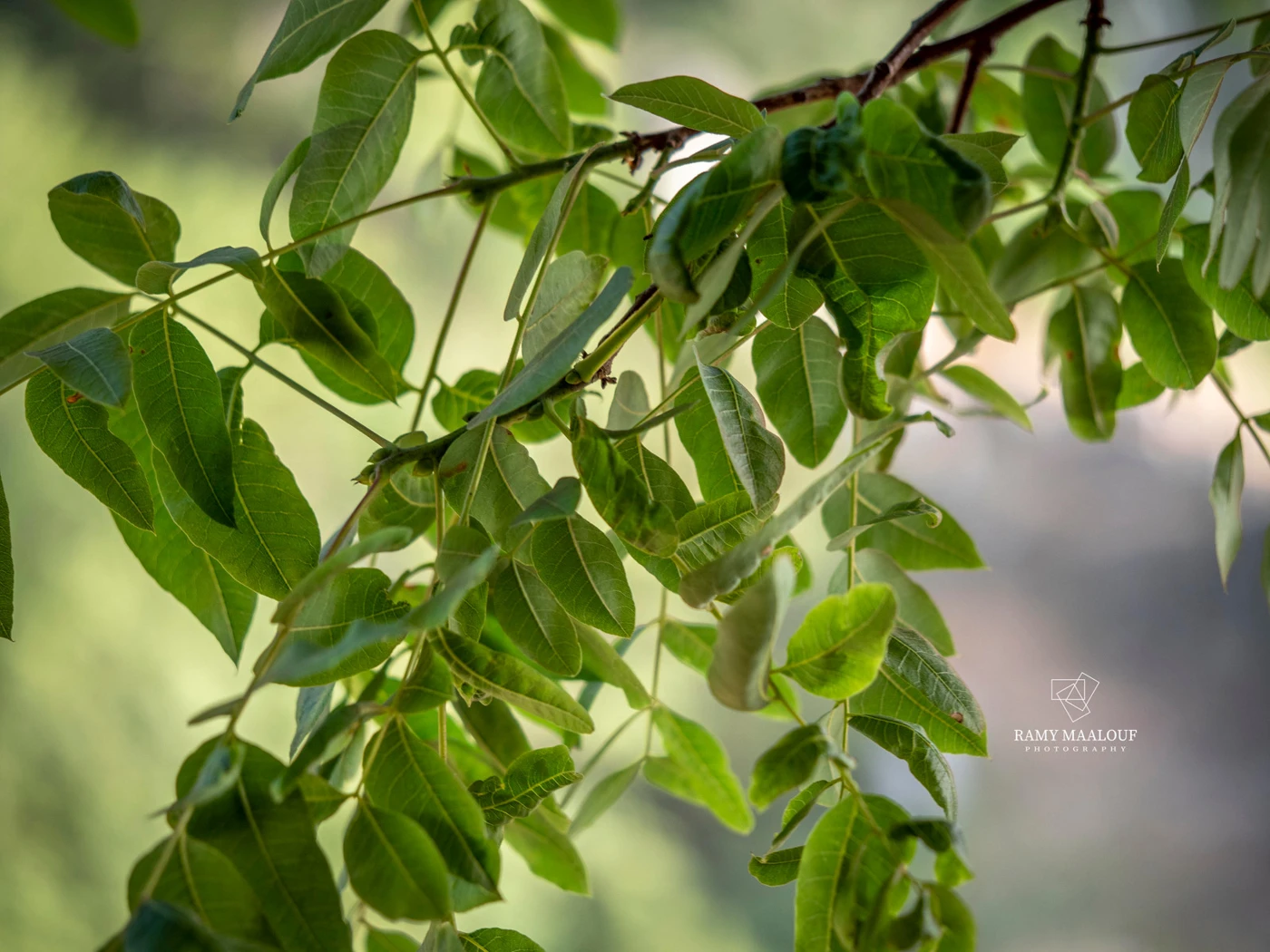
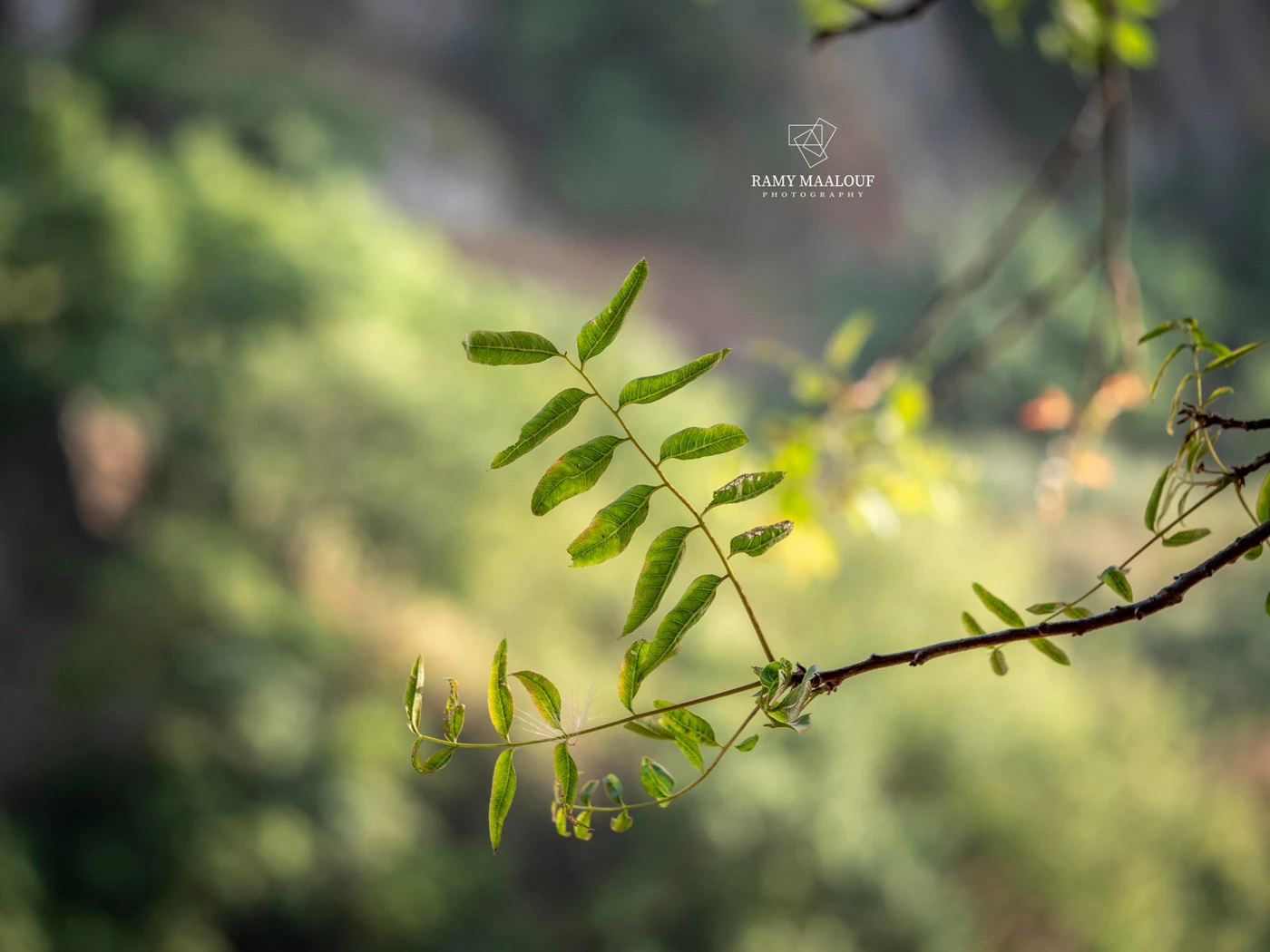
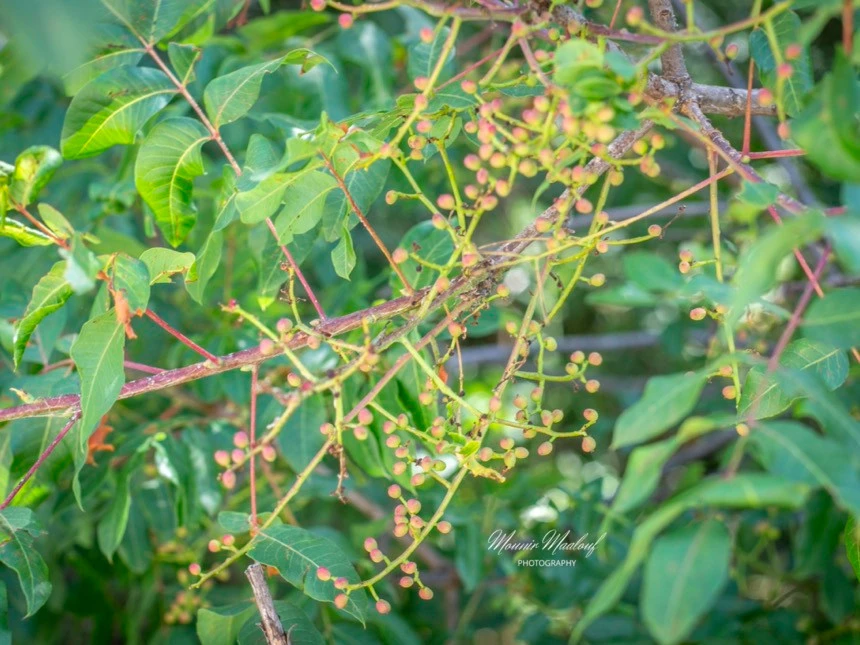
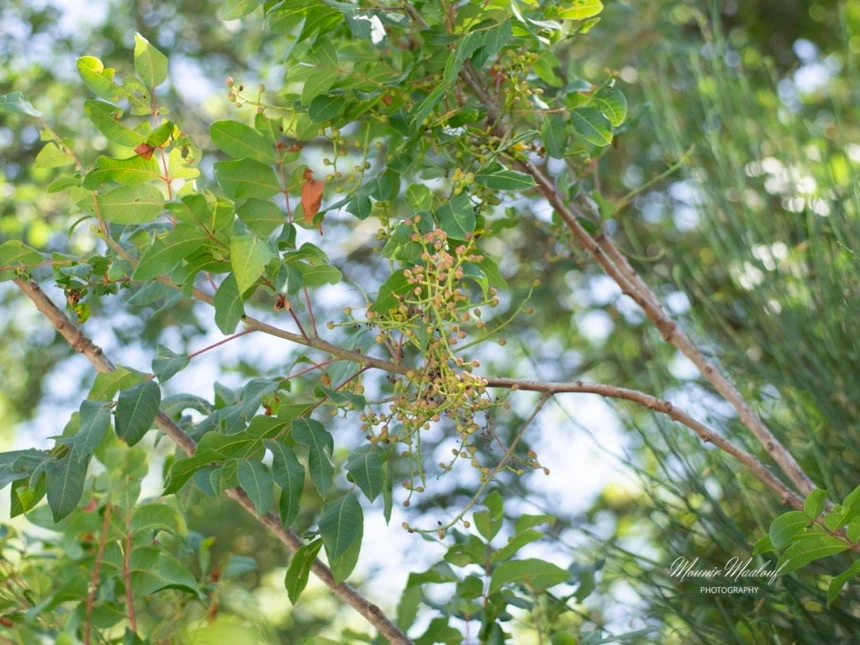
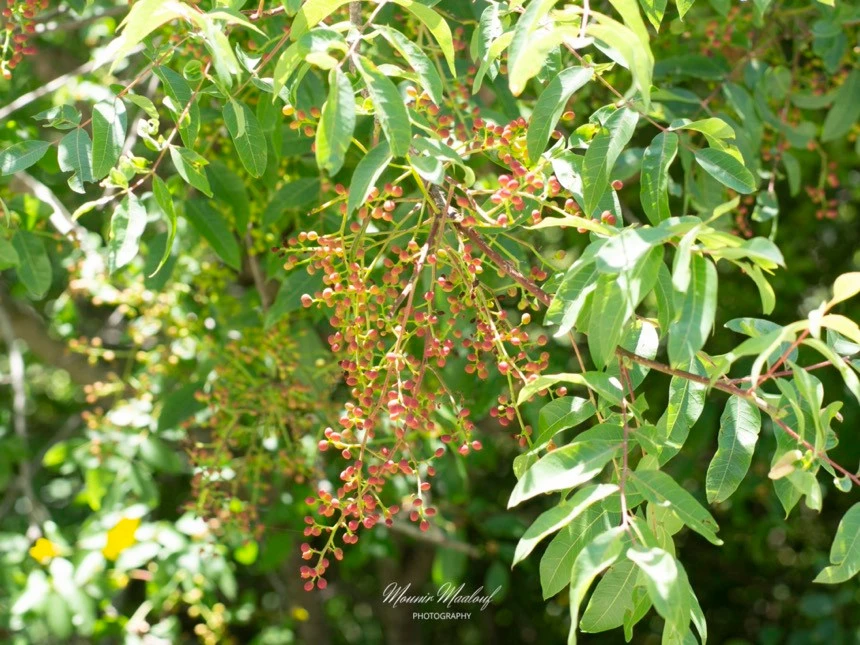
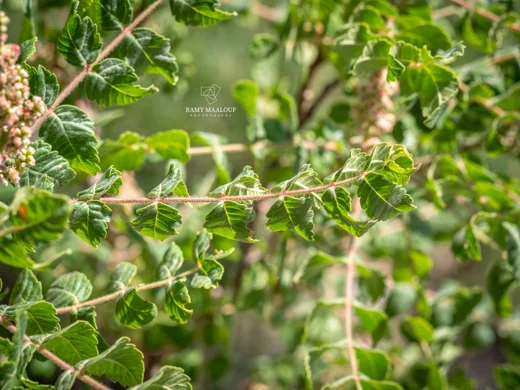
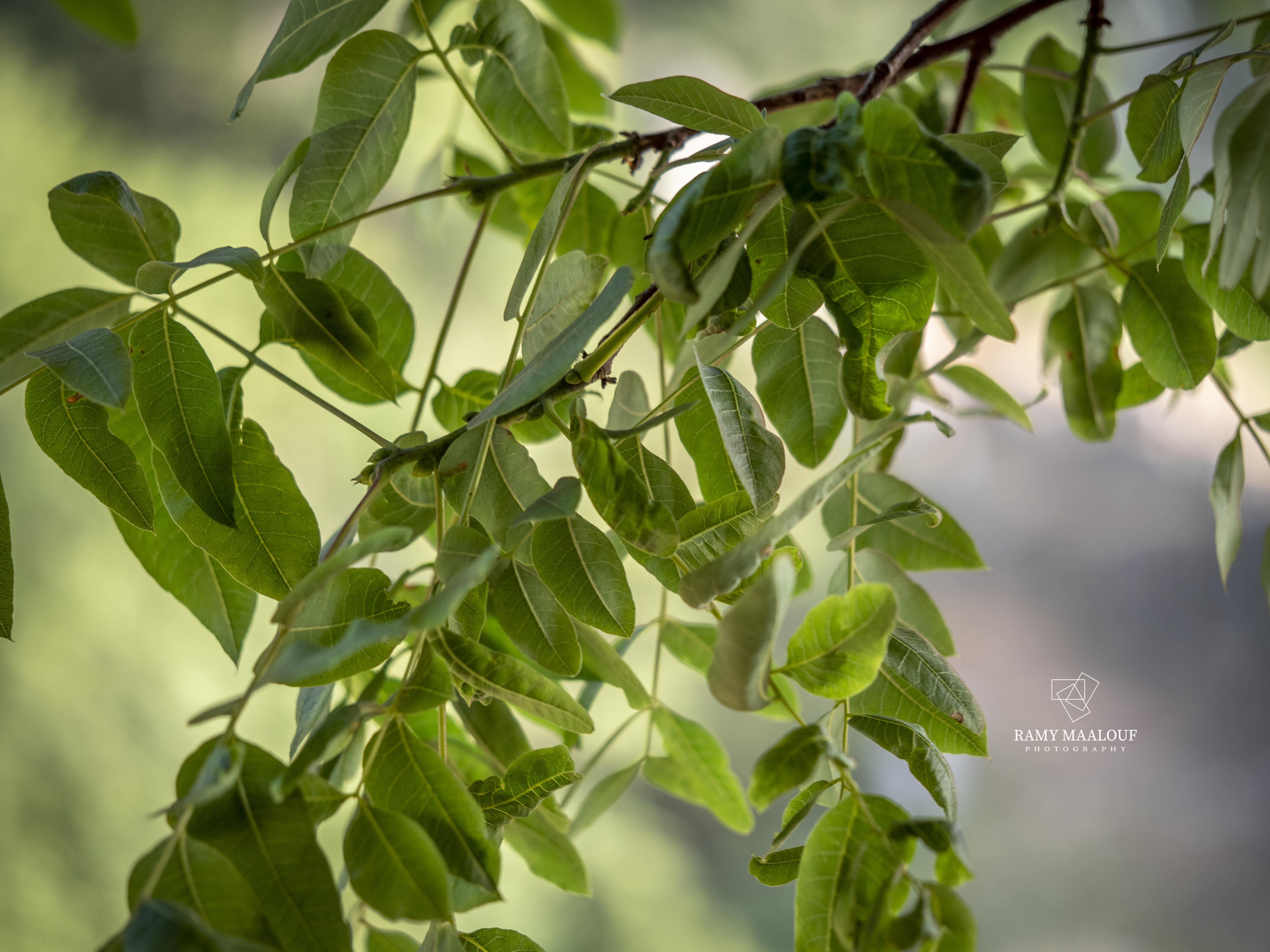
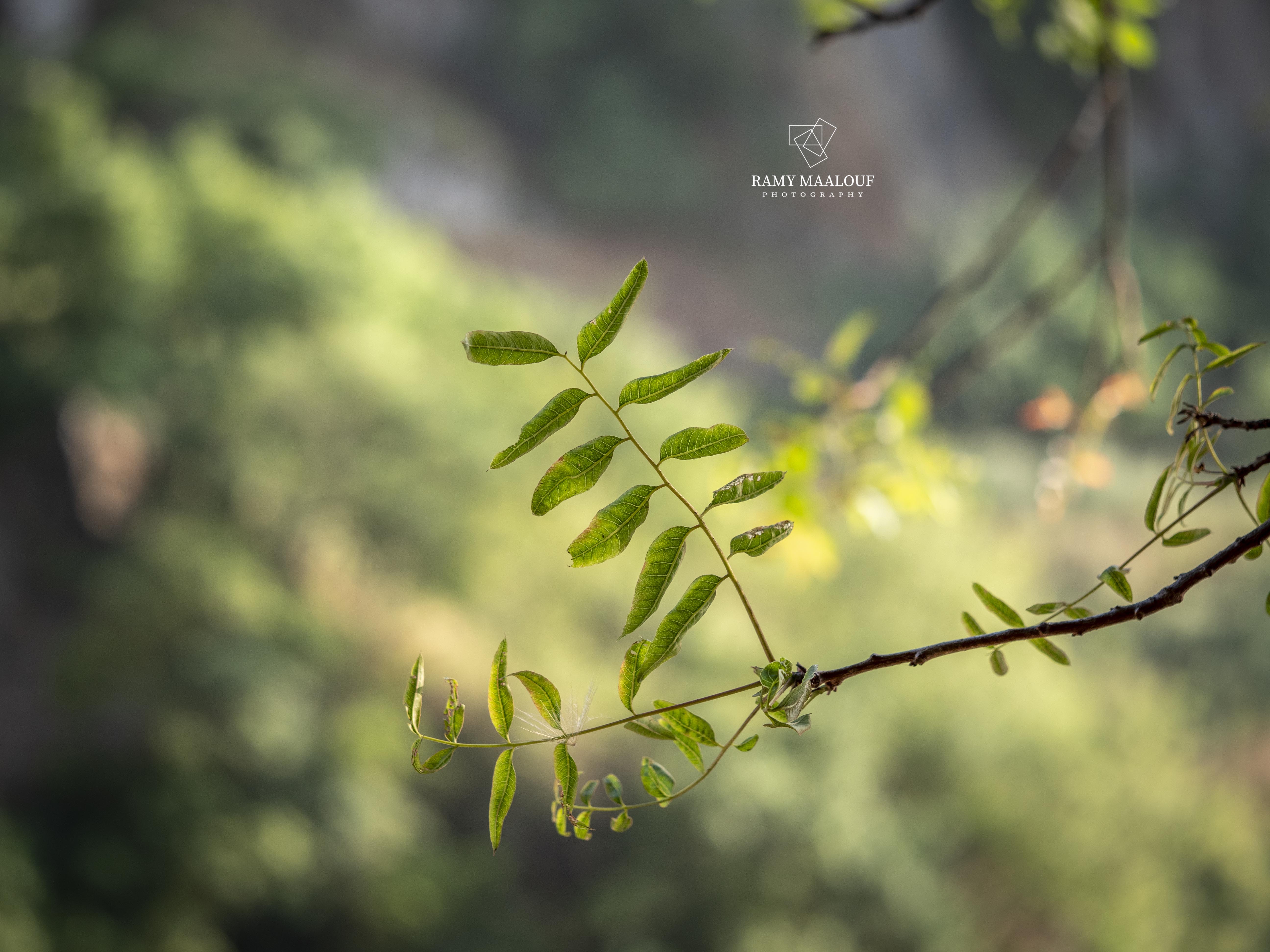
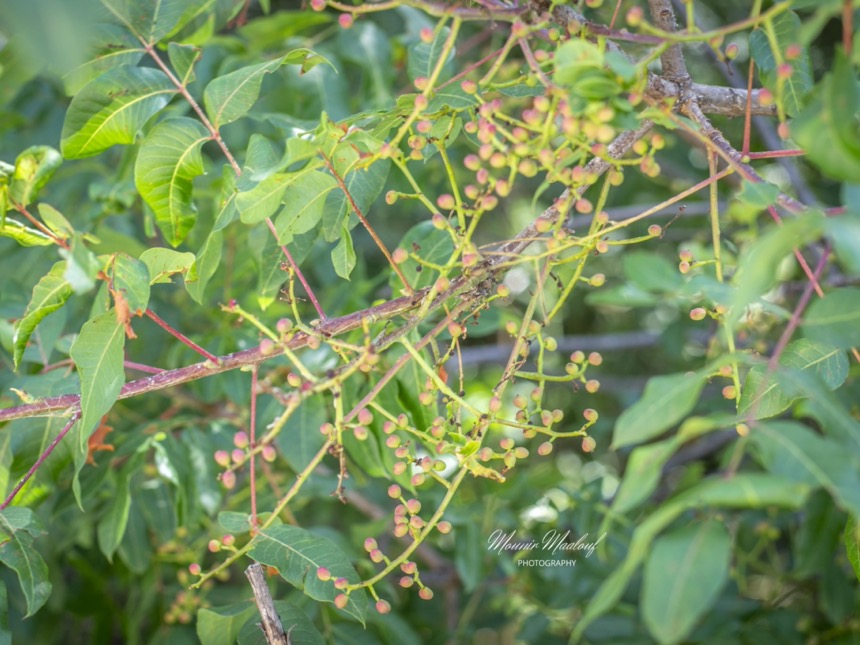
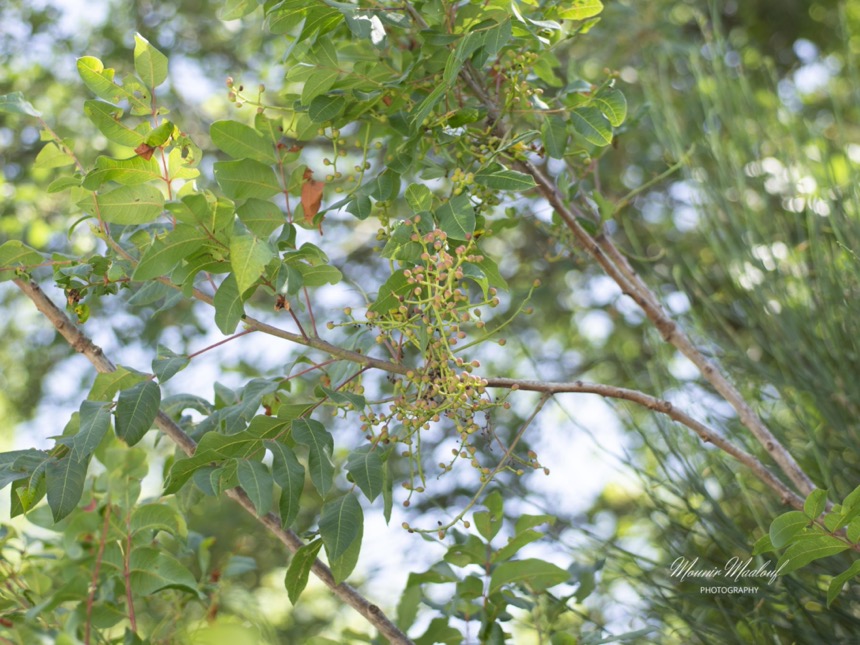
Leaves: Variable, either paripinnate or imparipinnate; terminal leaflet sometimes reduced, sometimes well developed. Leaflets (1–6 pairs, most often 4) lanceolate to ovate-lanceolate, 2–6 × 1–3 cm, long-acuminate or subacute, glabrous or slightly pubescent along the midrib. Rachis not dilated at apex.
الأزهار
Inflorescence & flowers: Axillary panicles, 10–18 cm, often many-flowered. Male flowers with 5 stamens, 2 mm long. Female flowers with globose ovary and 3 unequal stigmas.
الثمار والبذور
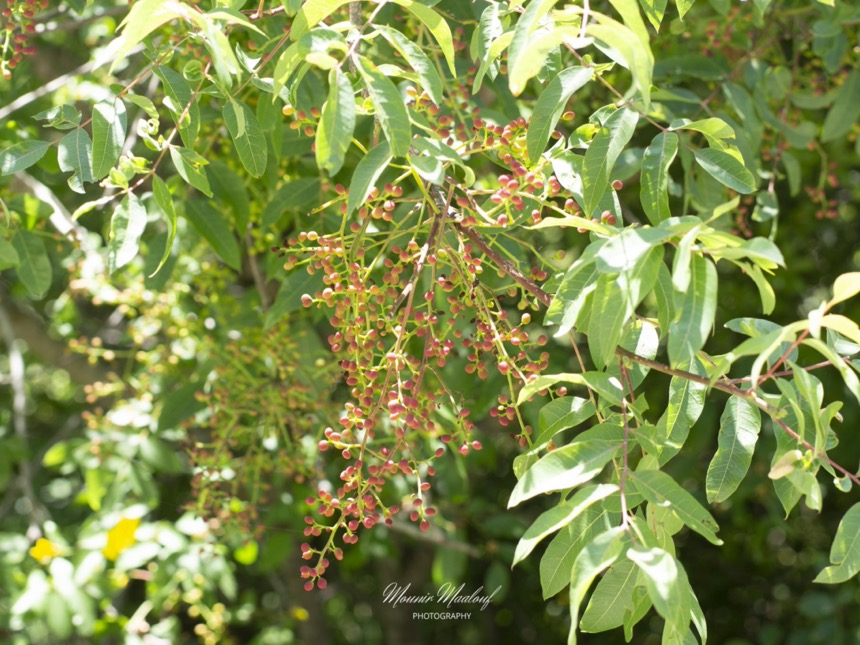
Fruit: Drupe 5–6 × 4–5 mm, reddish-brown, often broader than long, smooth, with hard stone.

الموائل والبيئة

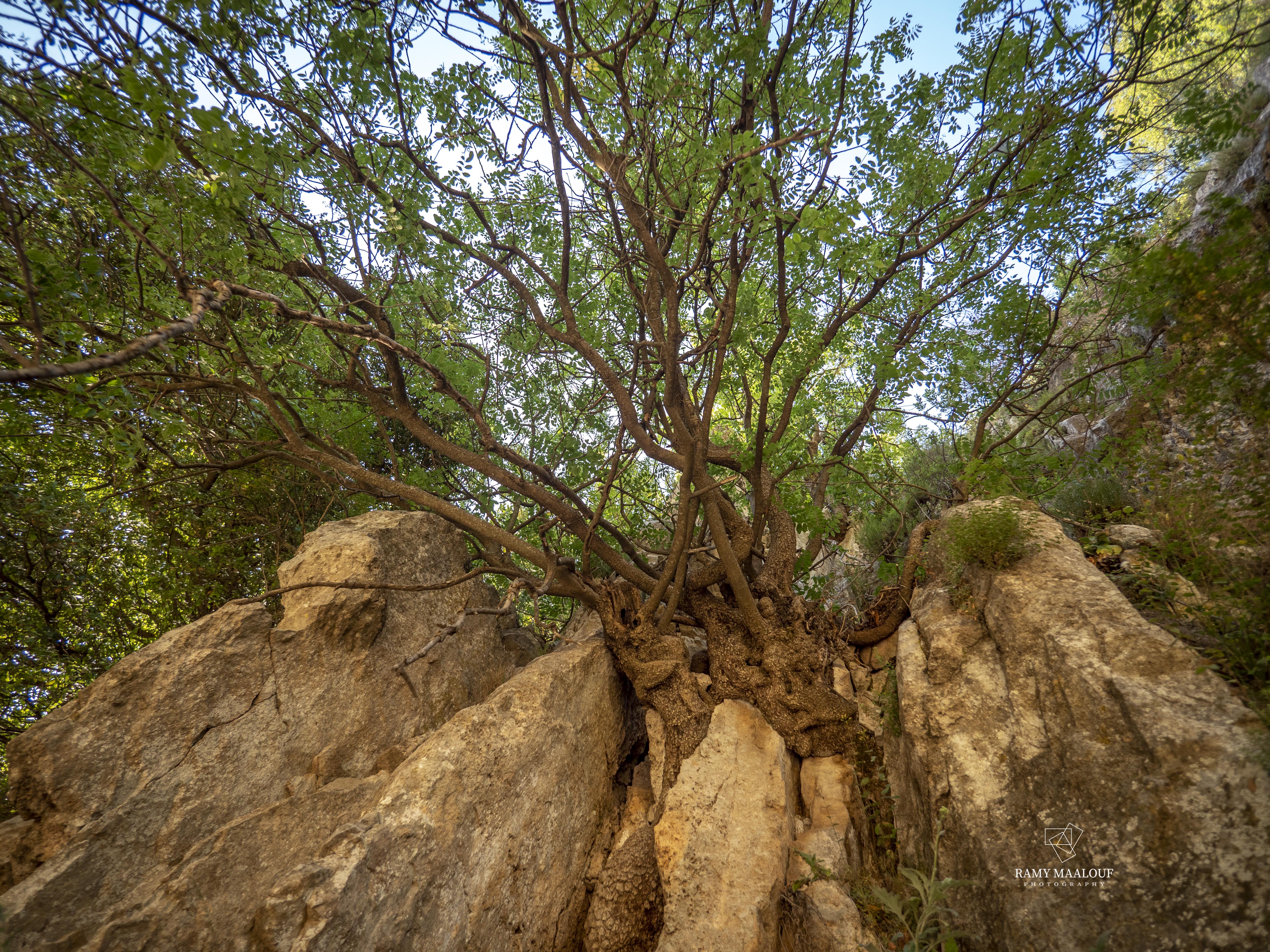
Habitat & elevation: Wooded slopes, scrublands, and field margins; from sea level up to c. 800(–1,200) m.

مواسم النبات

الفنلوجية
Phenology: Flowers February–April; fruits ripen in autumn.

الانتشار الموثق

Lebanese distribution: Widespread and abundant: Ras Bayada, Saïda, Beirut and environs, Nahr el-Kelb, Dbayé, Ras Chekka–Hamat, Tripoli, ‘Aley, Mekine, Asfouriyé, Deir el-Qamar, Choueir, Beit Méri, Jour el-Bailout, Qannoubine, Ehden.

Native range: Eastern Mediterranean, extending around the Black Sea

لمحة نباتية

بنية النبات
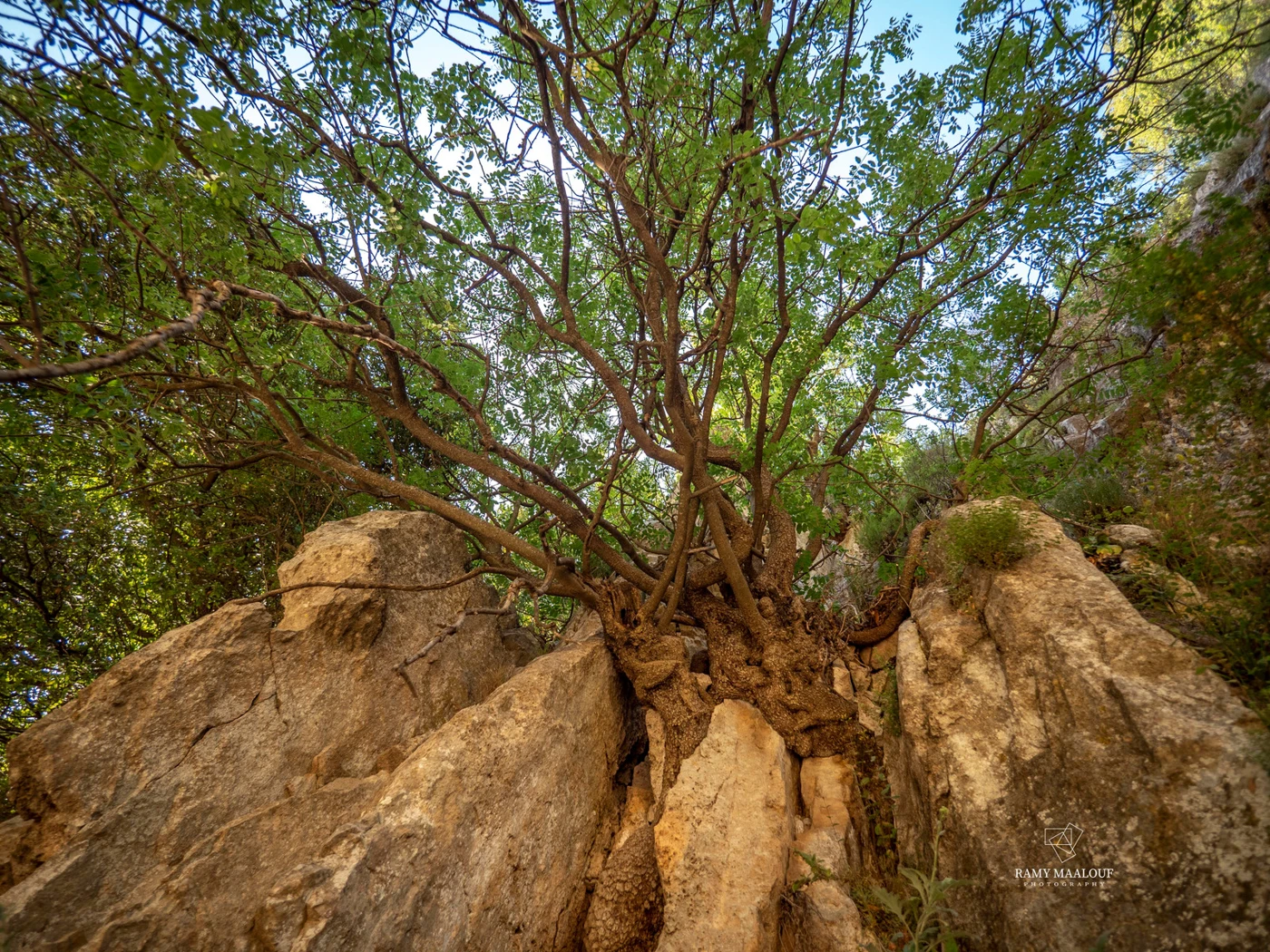
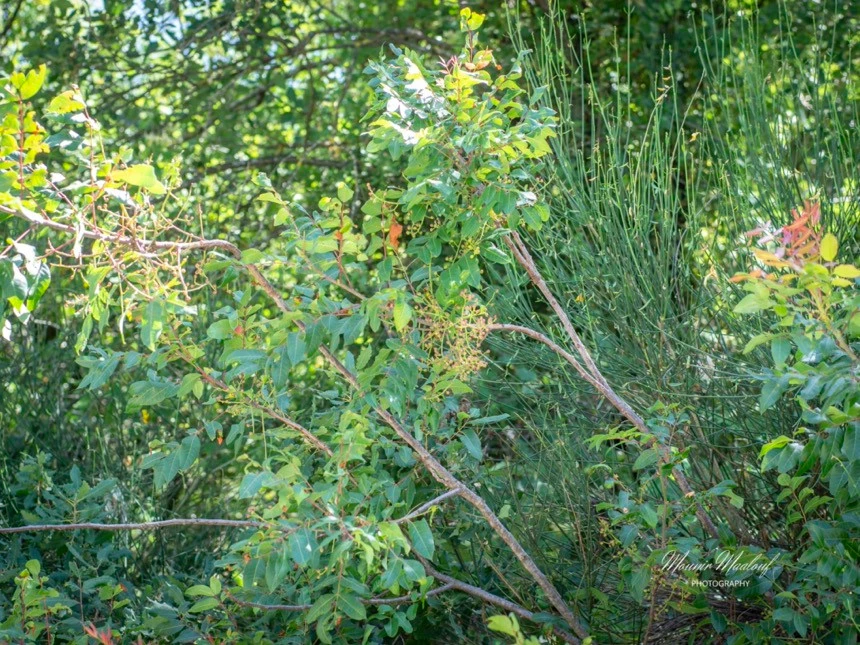
Life-form & habit: Deciduous tree, up to 7–8 m tall, richly resinous; trunk branched, crown spreading.

الفصيلة والتصنيف

الاسم العلمي كما ورد
Pistacia terebinthus subsp. palaestina
الفصيلة
بطمية

القبول التصنيفي للاسم لم يُحسم في هذه النسخة.
نباتات من الفصيلة نفسها

المظهر
خط النص
حجم النص
صغير100%كبير
معاينة مباشرة

وقد كان في الهجران لو كنتَ ناسِيًا
رَمِيمَ، وَهَلْ يُنْسَى رَبِيعٌ وَصَيِّفُ

Salvia lanigera Poir.