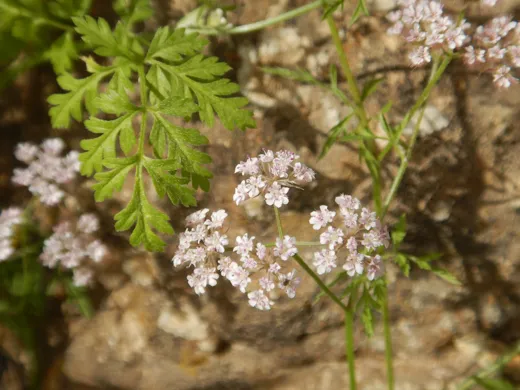
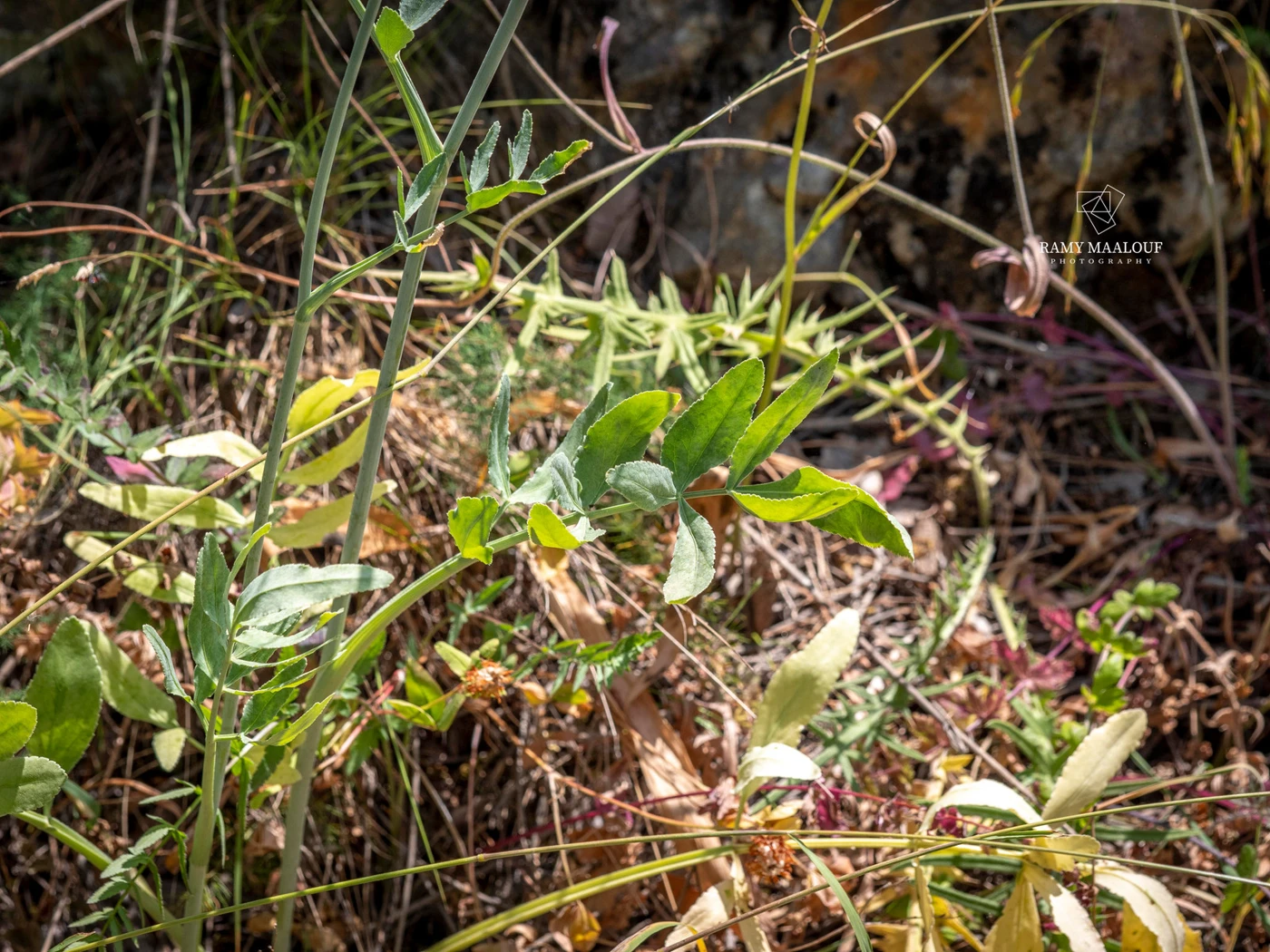
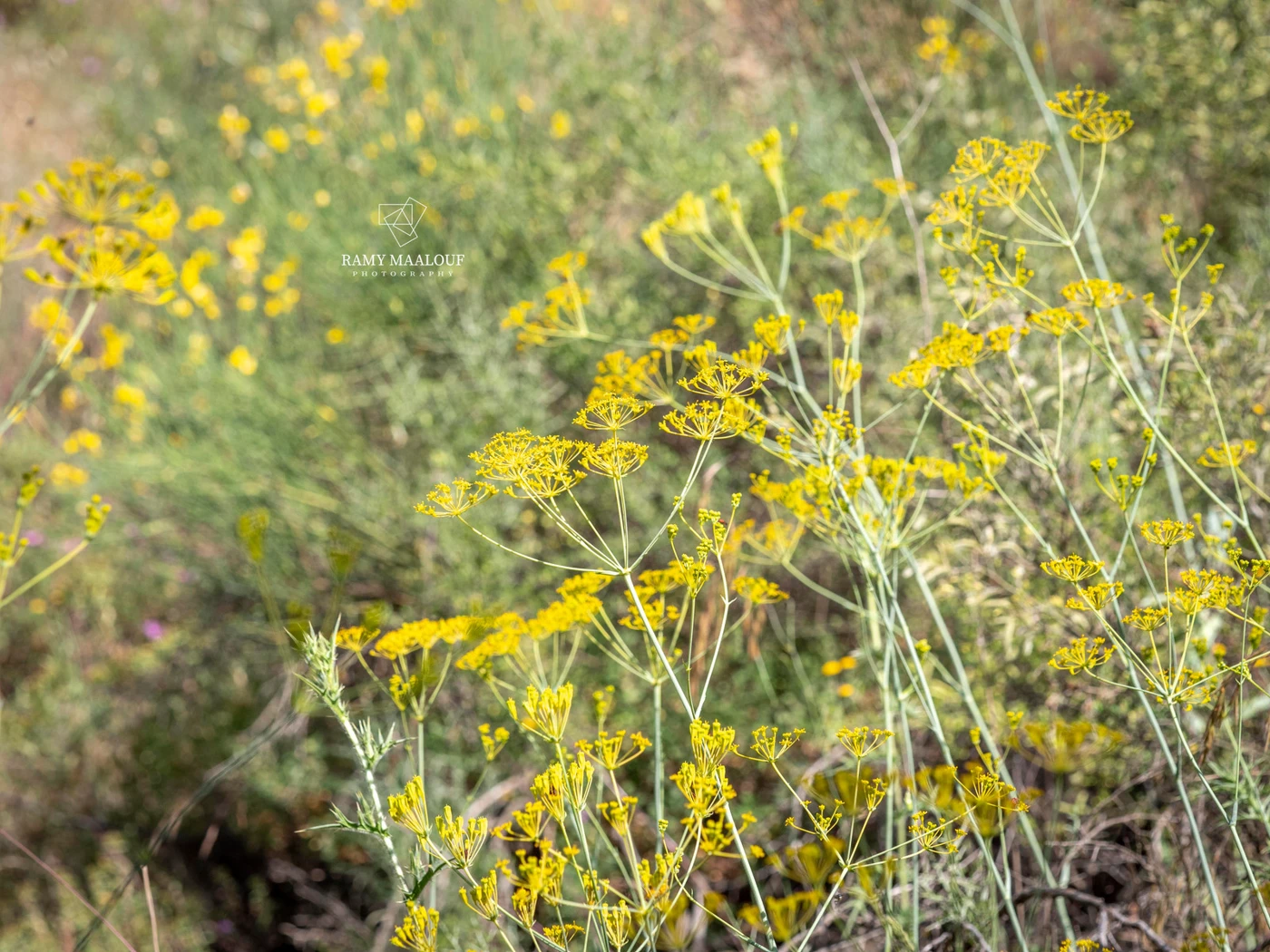
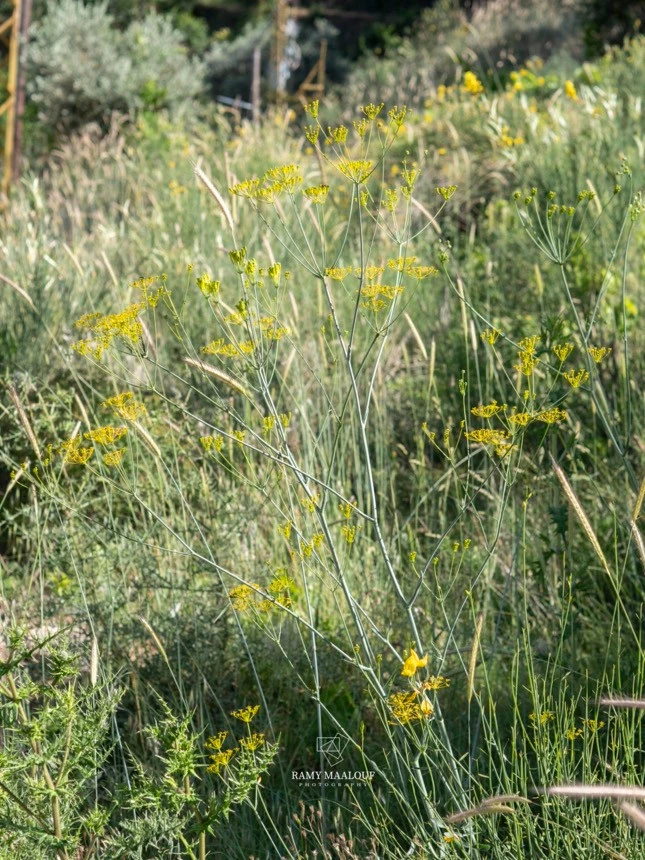
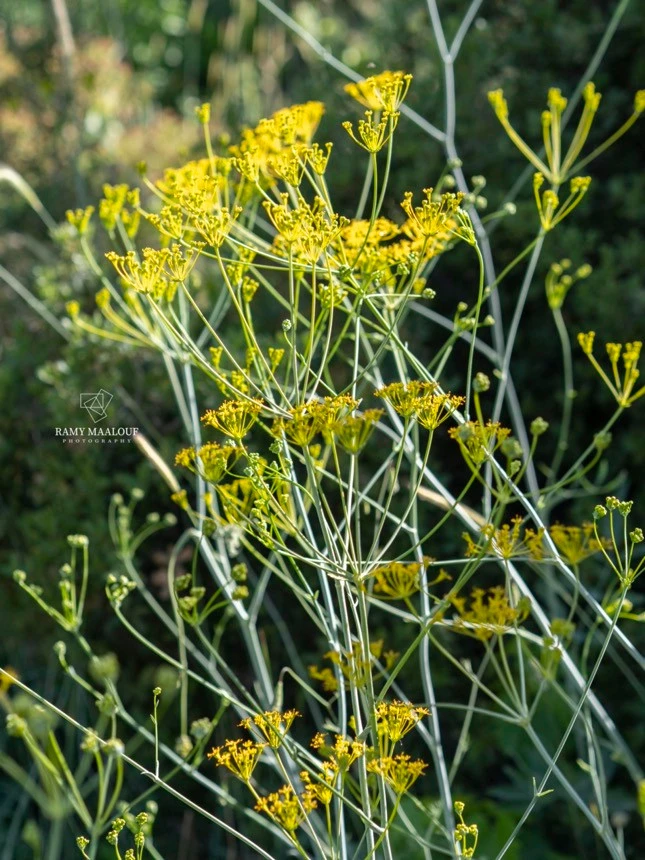
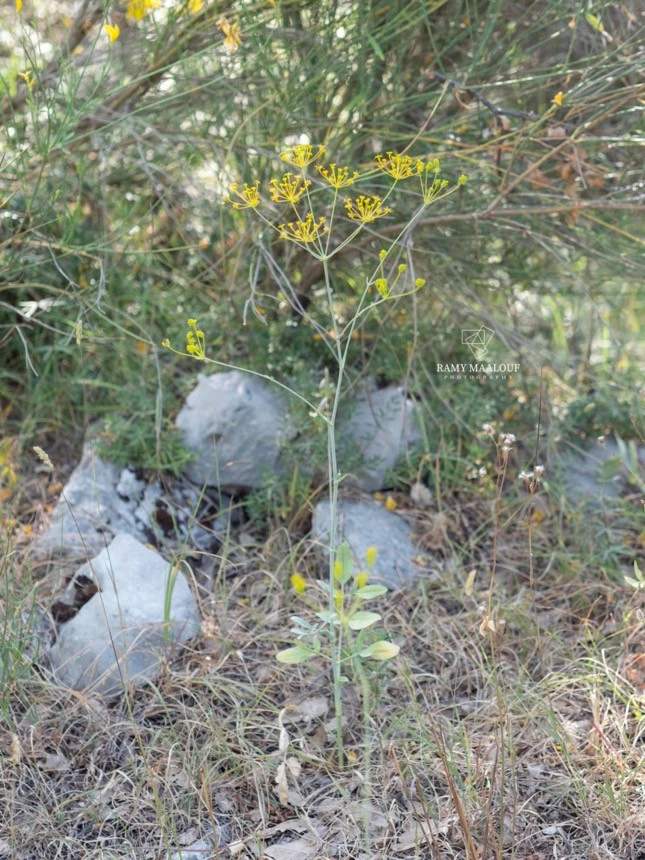
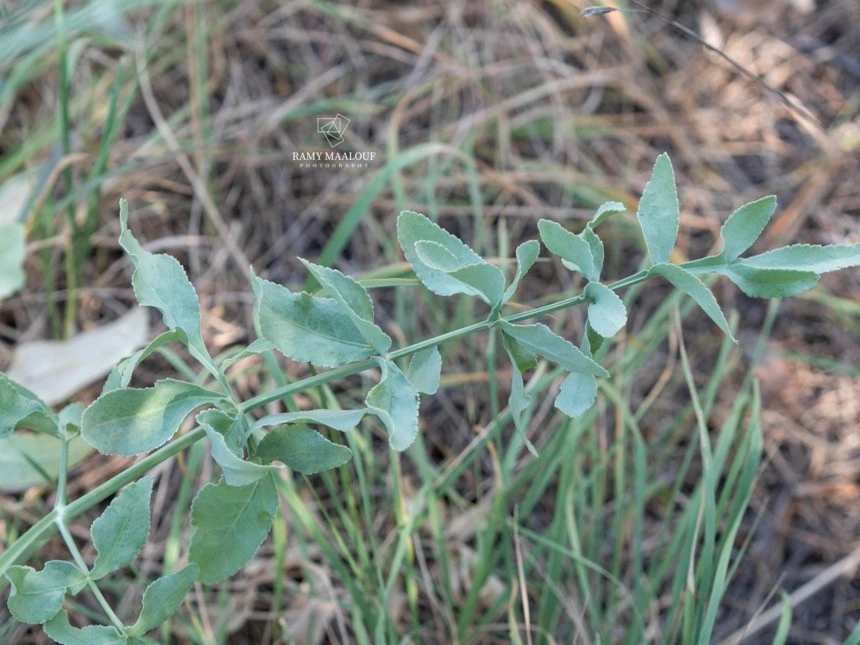
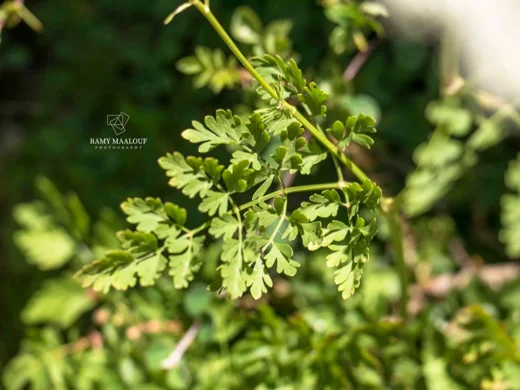
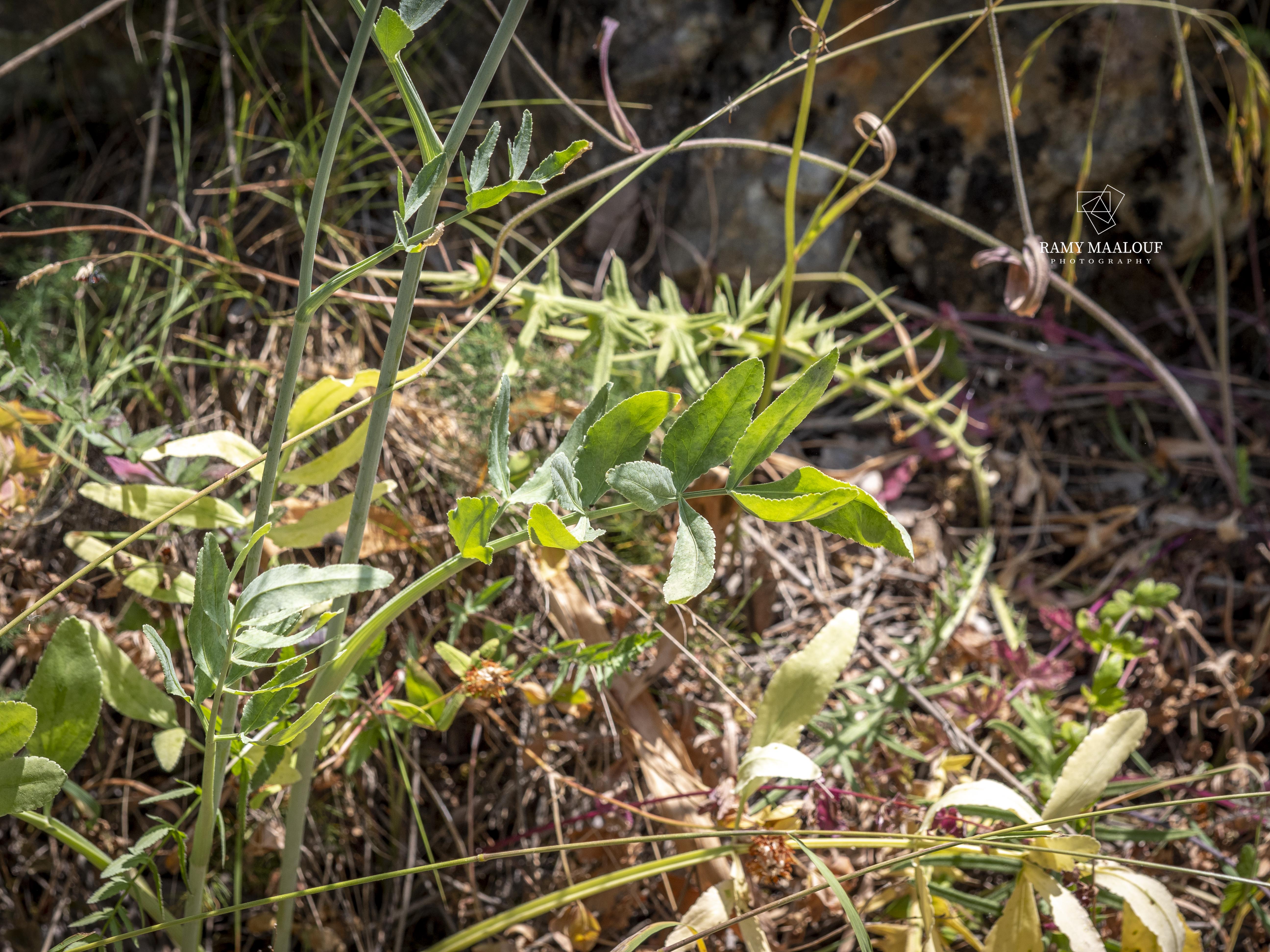
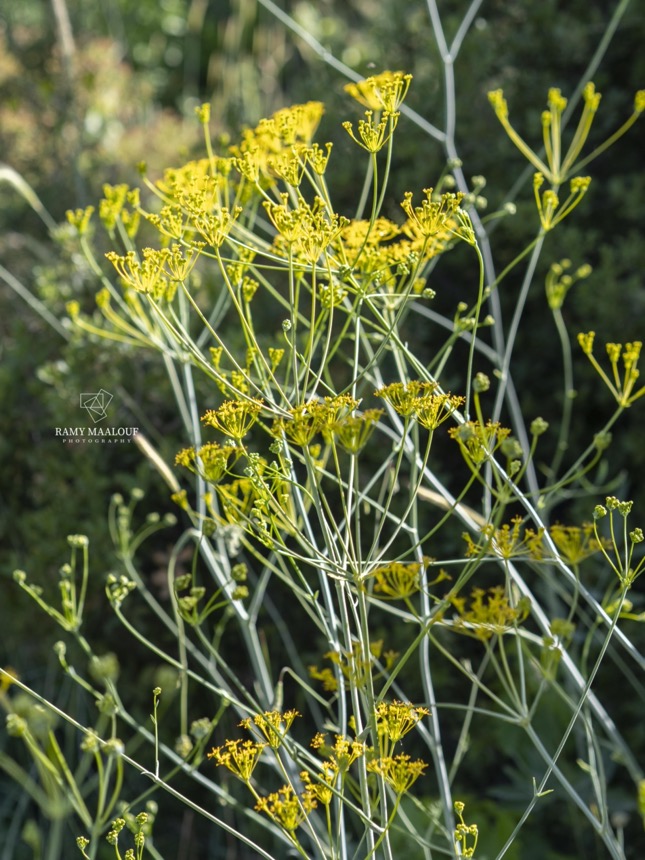
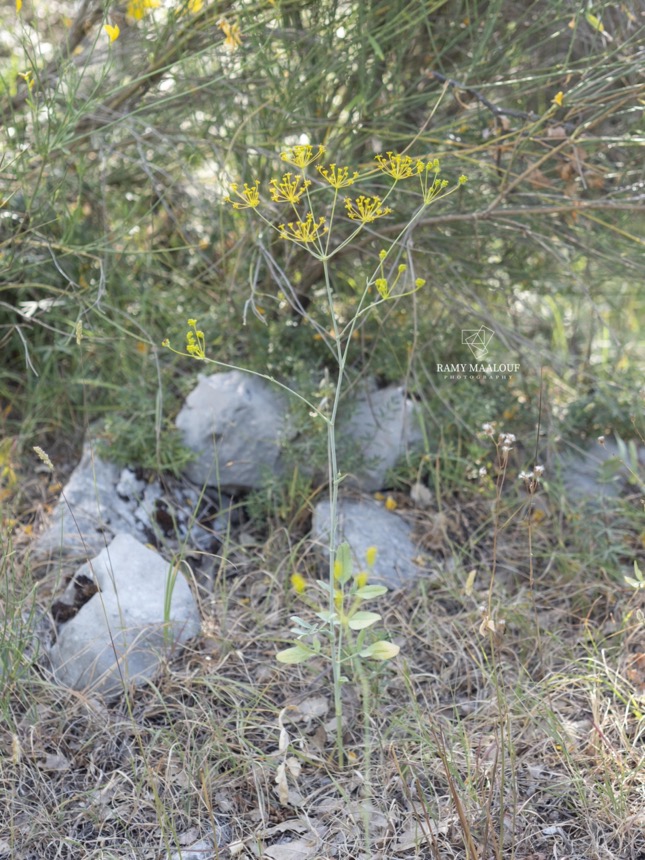
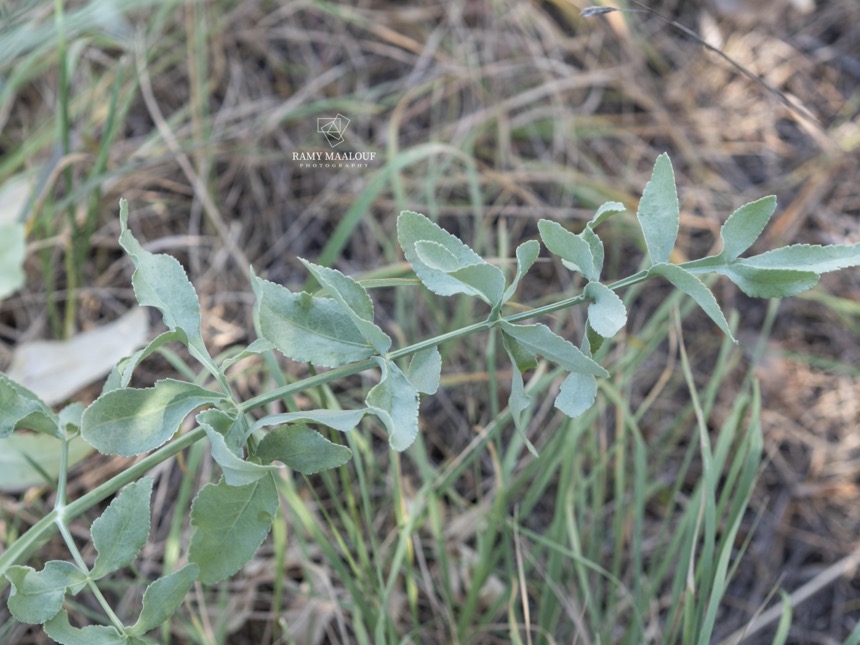
Leaves: Basal and lower cauline leaves petiolate, broadly ovate to triangular, 5–15 × 3–8 cm, 2–3-pinnate with lanceolate to ovate lobes, margins irregularly serrate or incised; upper leaves smaller, sessile, less divided, with sheathing bases. Surfaces glabrous or sparsely pubescent beneath along veins.
الأزهار
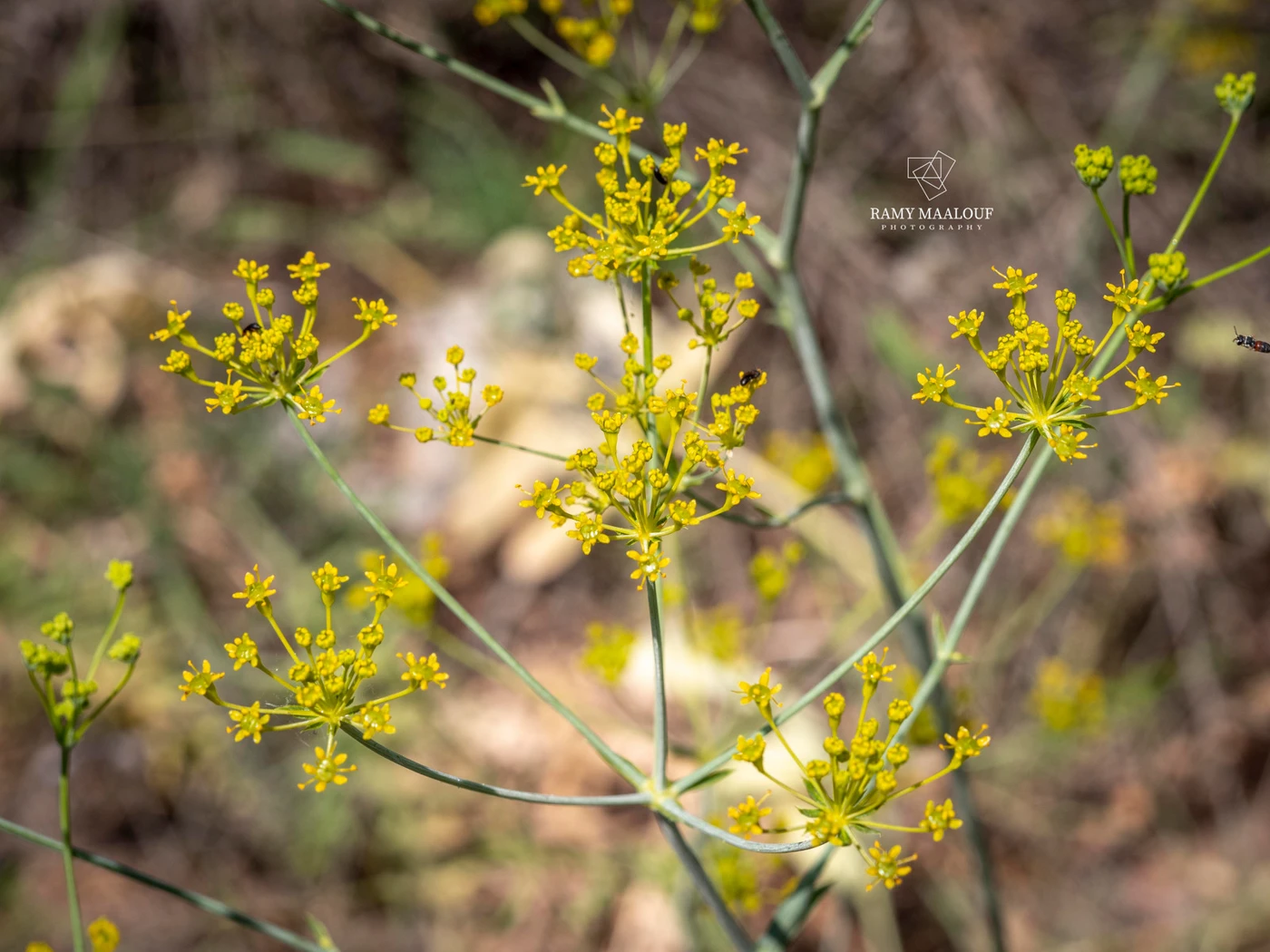
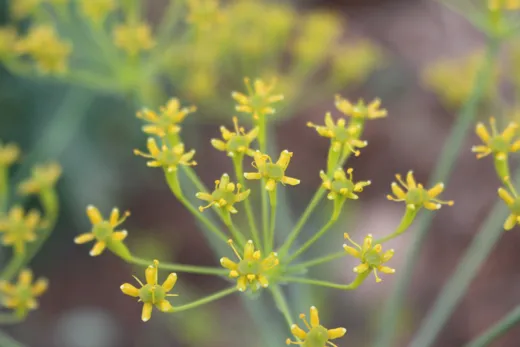
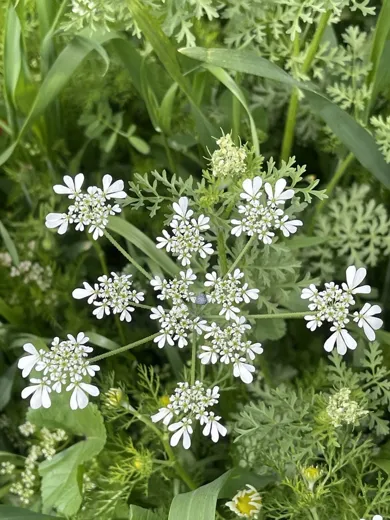
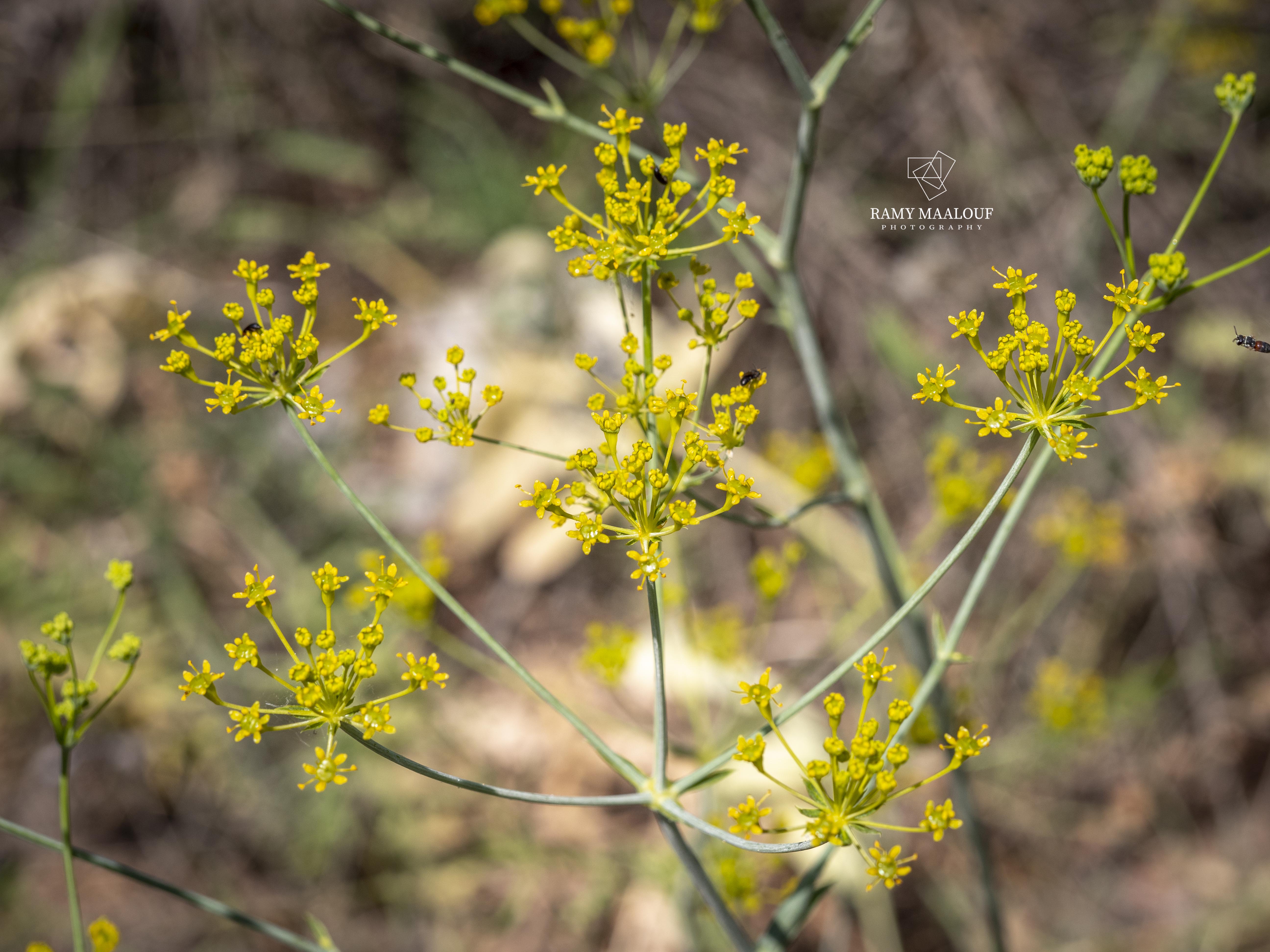
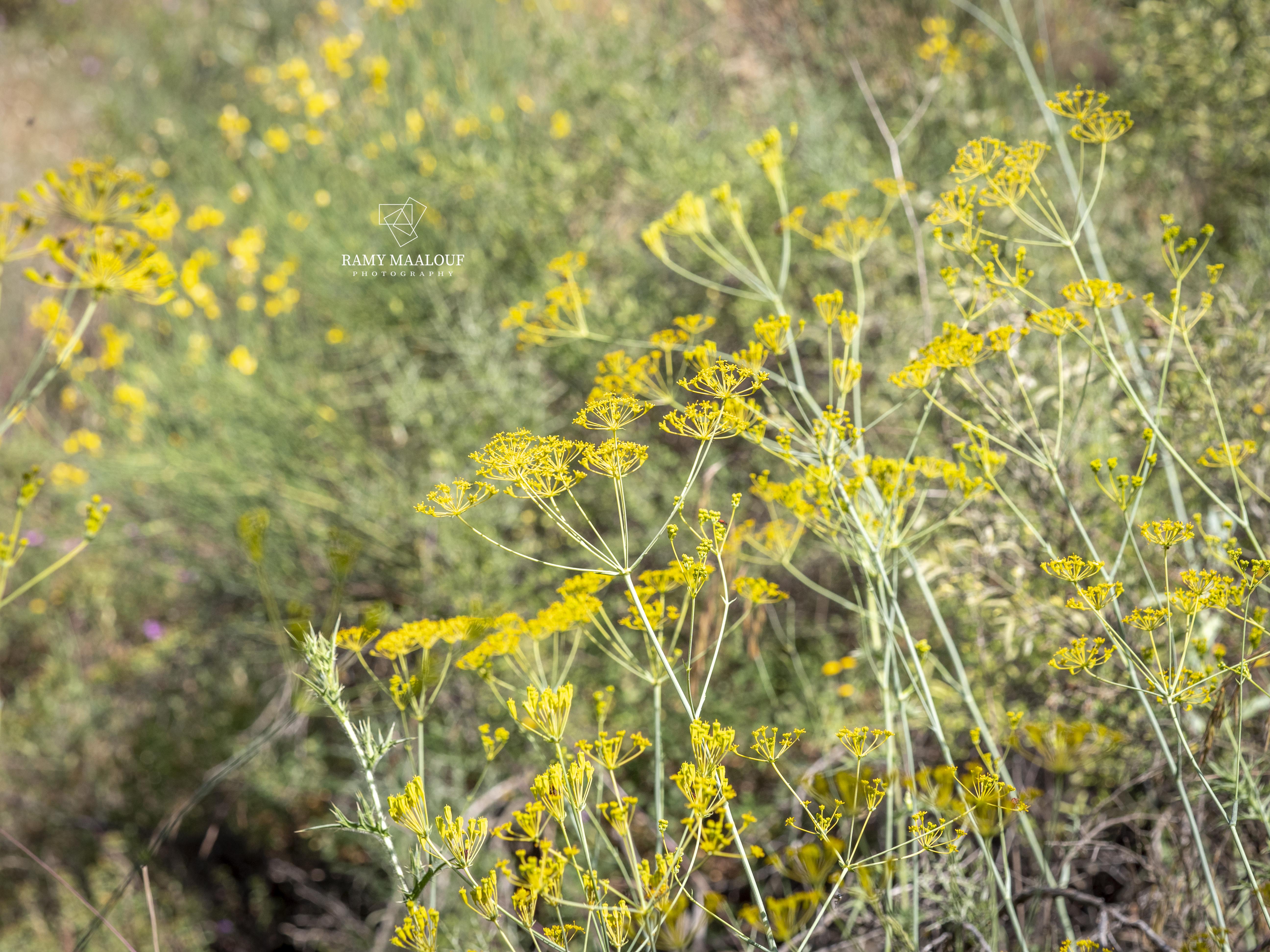
Inflorescence & flowers: Terminal compound umbels with 8–15 unequal rays; peduncles elongate, glabrous. Involucre absent or of few linear bracts; umbellules many-flowered, with 5–8 narrow bracteoles. Flowers white or yellowish-white, outer petals of marginal flowers distinctly unequal and radiating (hence the epithet anisopetala ). Stylopodium conical; styles divergent at maturity.
الثمار والبذور
Fruit: Cremocarp broadly oval to suborbicular, 4–6 mm long, dorsally compressed, with 5 filiform ribs and narrow wings. Mericarps separating easily when ripe; vittae 1–2 per furrow.
الموائل والبيئة
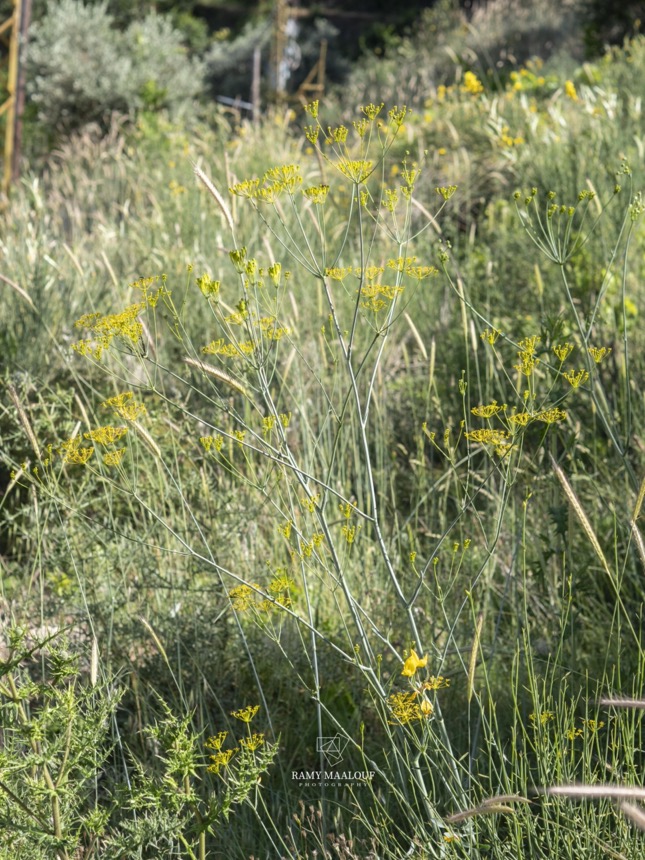
Habitat & elevation: Dry rocky slopes, open montane scrub, and steppe-like habitats on limestone or basalt, between 800 and 1 800 m.
Lebanese distribution: Reported by Mouterde from the Beqaa Valley and Anti-Lebanon, particularly between Dahr el-Baïdar, Rashaya, and the foothills of Jabal el-Sheikh (Mount Hermon). Also seen on the eastern slopes of Mount Lebanon near Zahlé and Barouk.
Native range: Iran, Iraq, Lebanon, Syria, Palestine, Türkiye (POWO).
الارتفاع الموثق
الارتفاع
800 m
لمحة نباتية
بنية النبات
Life-form & habit: Perennial herb 40–100 cm tall, arising from a thick, somewhat woody rootstock. Stems erect, striate, solid, branched above, glabrous or slightly scabrous toward the inflorescence.