ثوم صخري كاذب
الثوم الصخري الكاذب
Allium pseudocalyptratum
الفصيلة ثومية · Amaryllidaceae
معرض النبات
حقوق الصور وإسنادها
- المصدر · الصورة الأصلية
© Ramy Maalouf 2020 - 2026
- المصدر · الصورة الأصلية
© Ramy Maalouf 2020 - 2026
- المصدر · الصورة الأصلية
© Ramy Maalouf 2020 - 2026
- المصدر · الصورة الأصلية
© Ramy Maalouf 2020 - 2026
- المصدر · الصورة الأصلية
© Ramy Maalouf 2020 - 2026
- المصدر · الصورة الأصلية
© Ramy Maalouf 2020 - 2026
الوصف النباتي
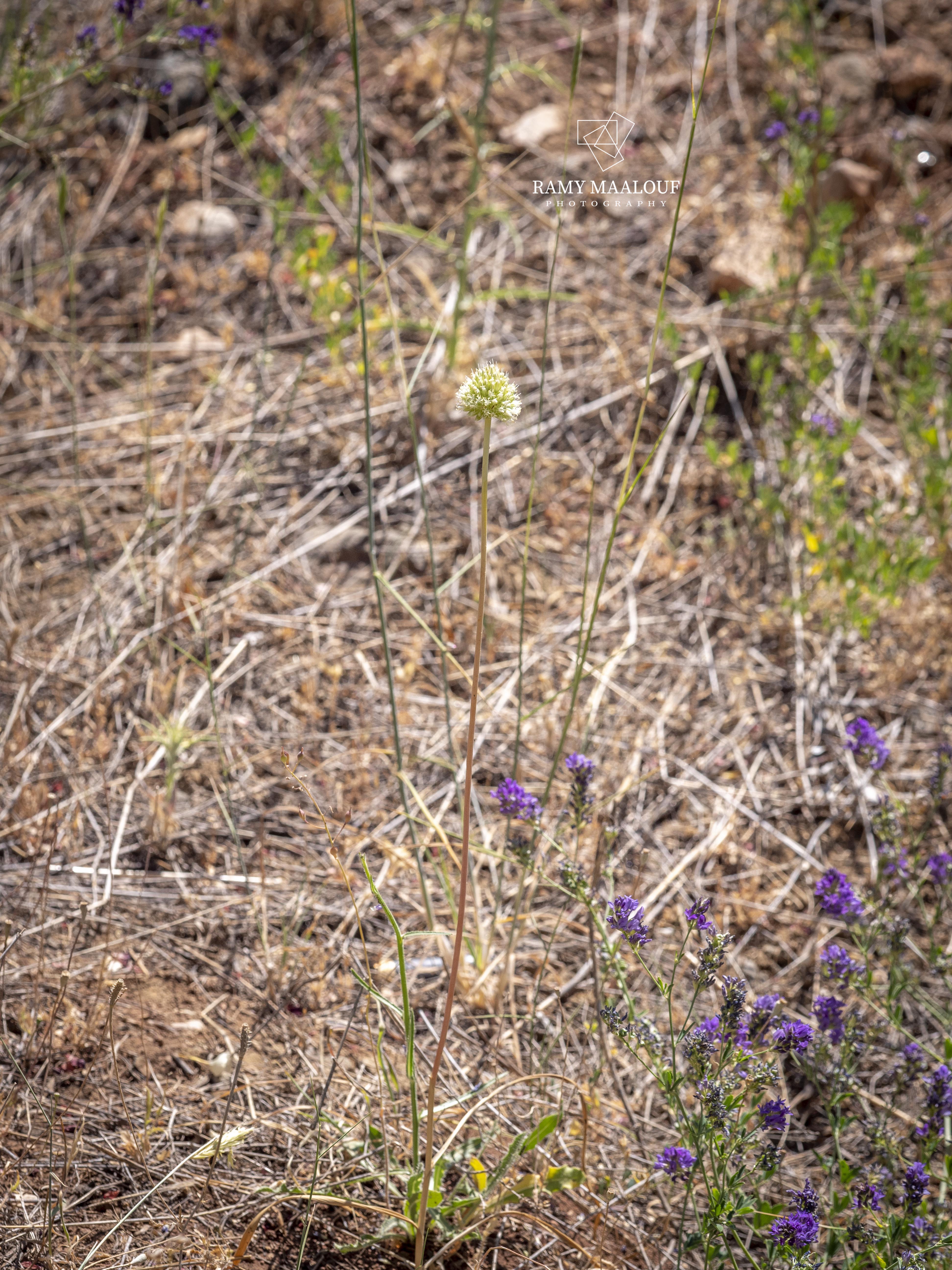
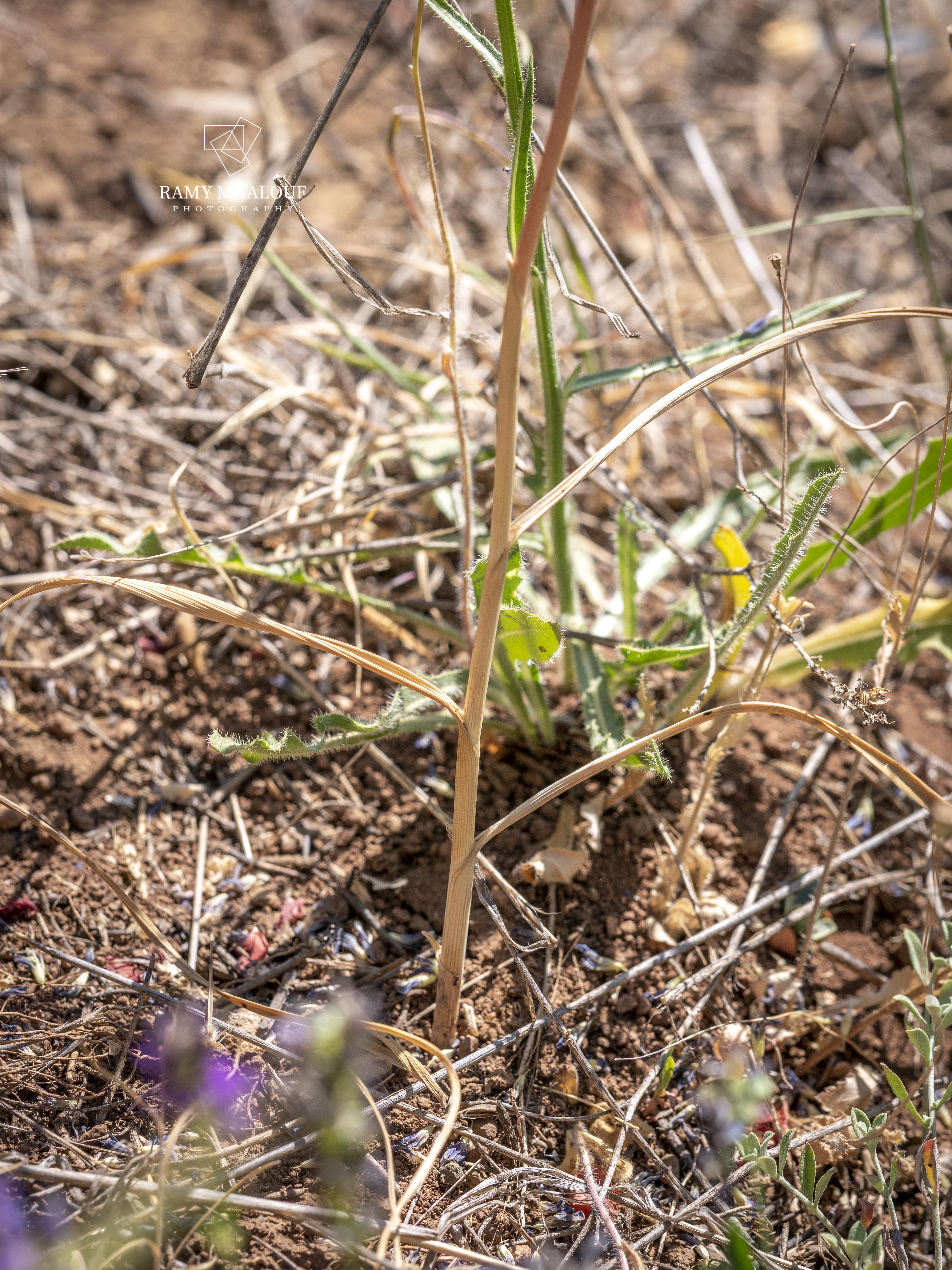
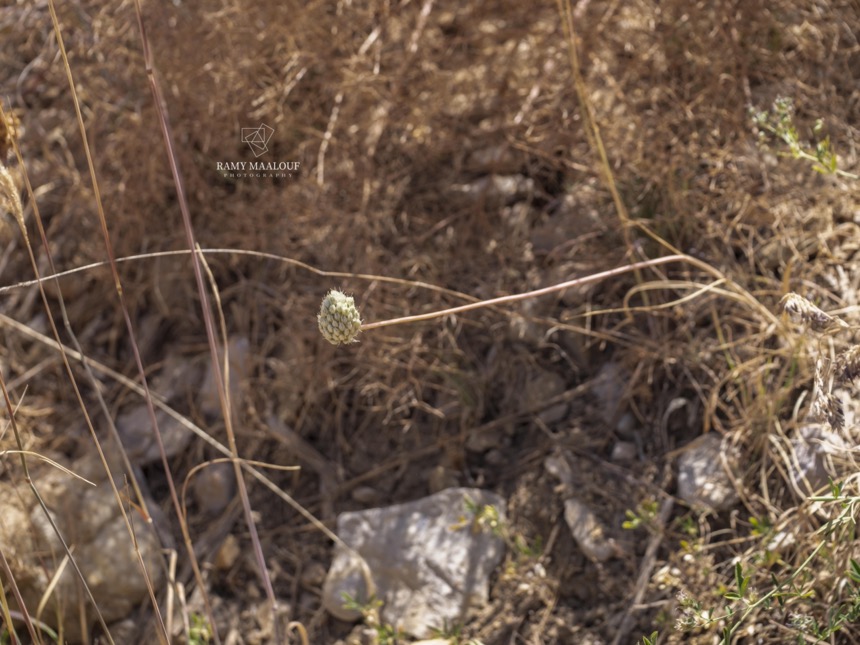
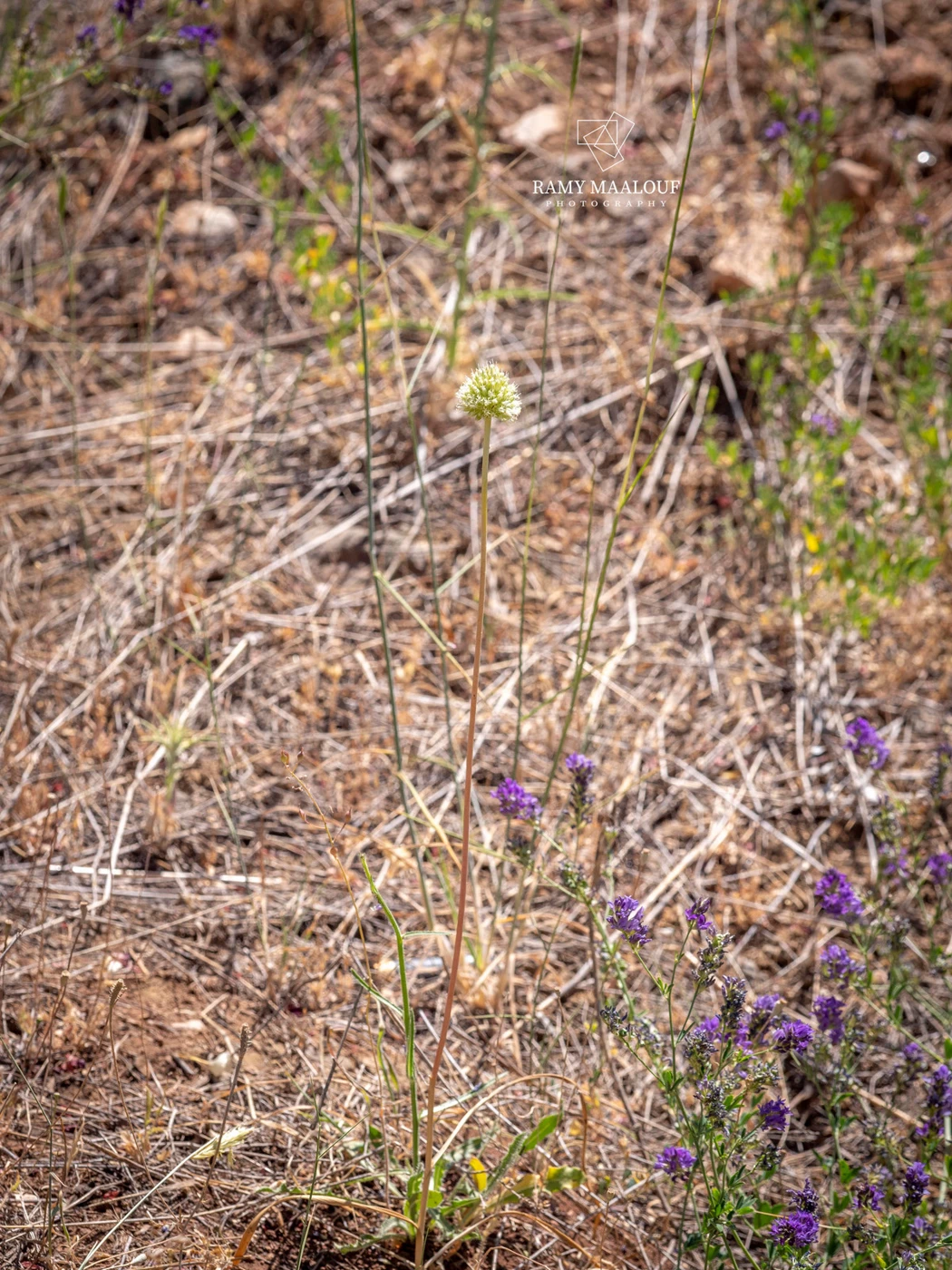
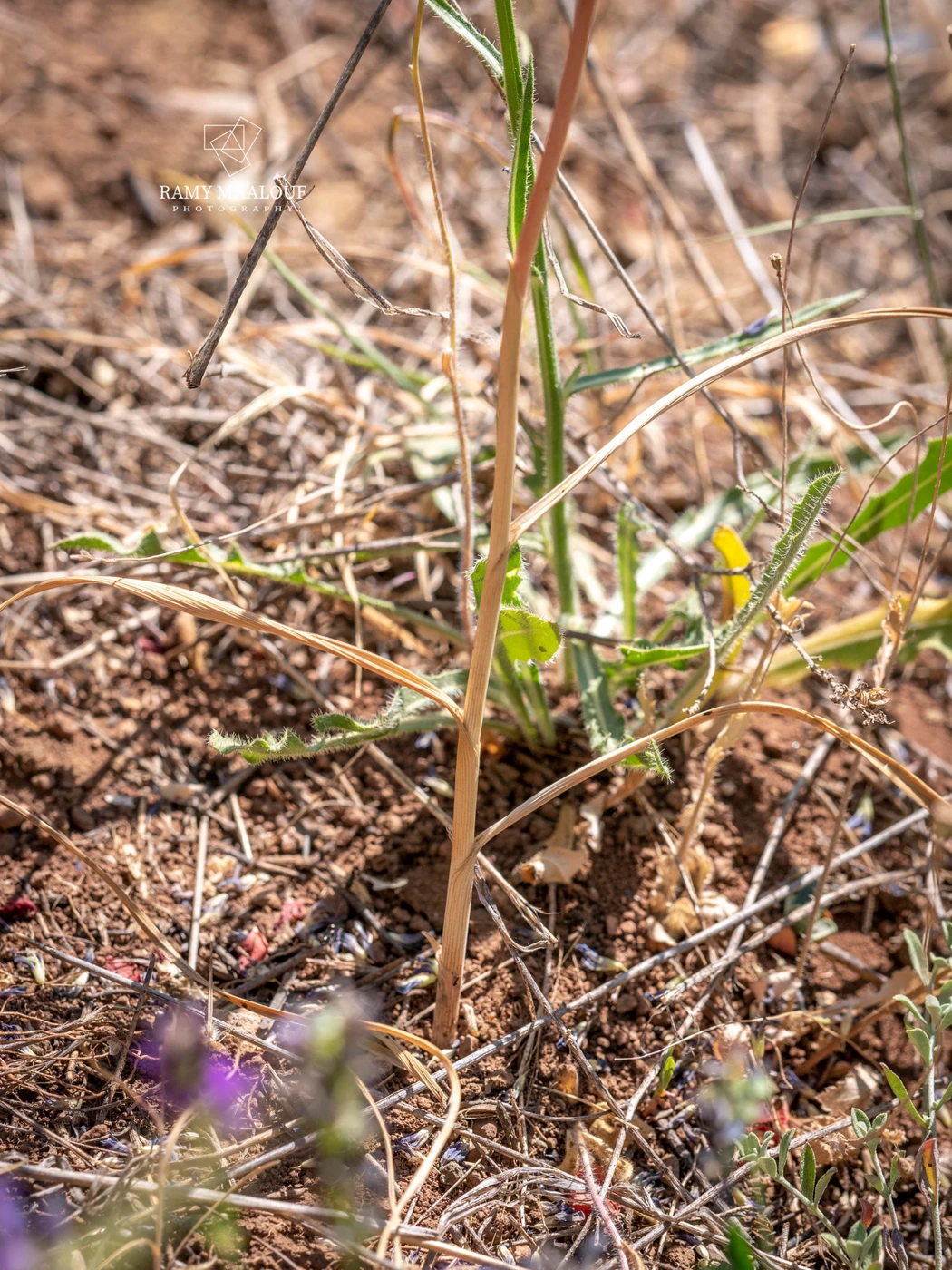
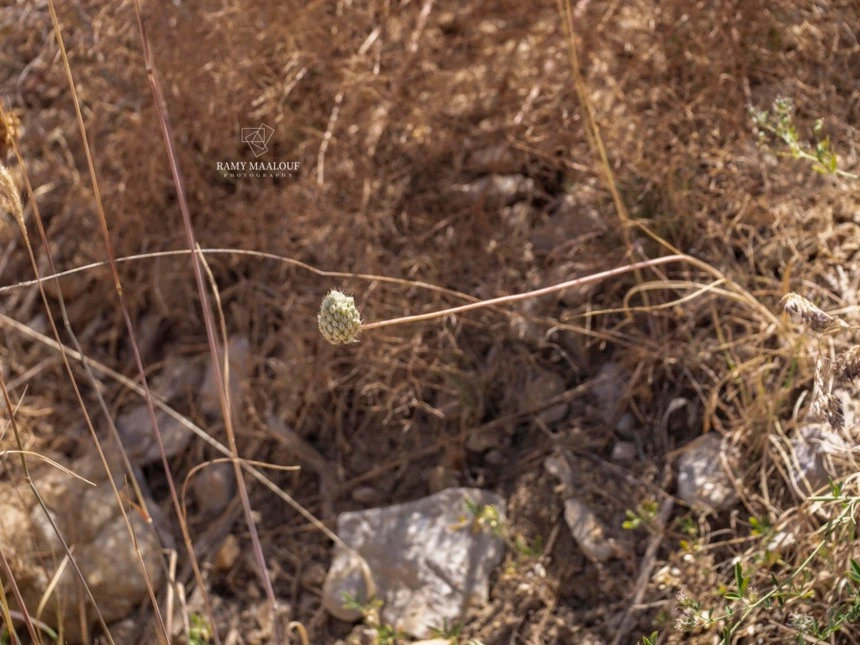
Stem (scape) : Cylindrical, finely striate, up to c. 50 cm, leafless in its upper two-thirds.
- الأوراق
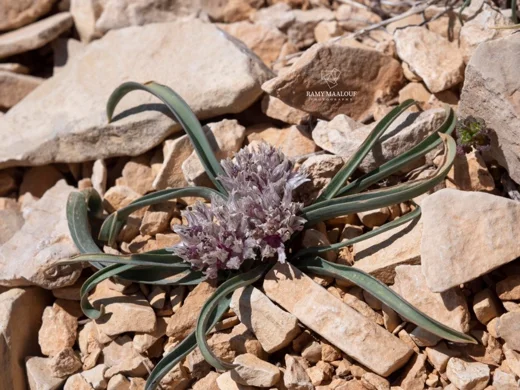
- Leaves : Three to four flat blades, about 4 mm wide, reaching one-third of the scape; margins and mid-rib minutely tuberculate-dentate.
- الأزهار
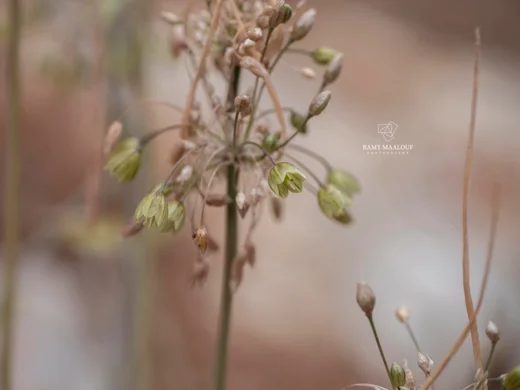
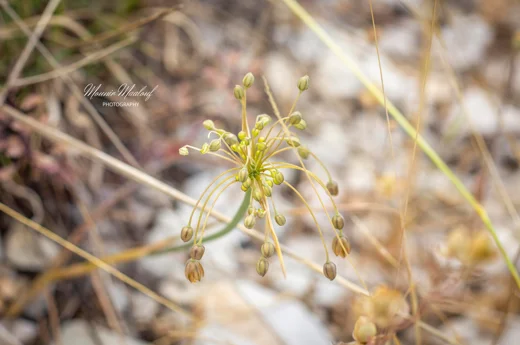
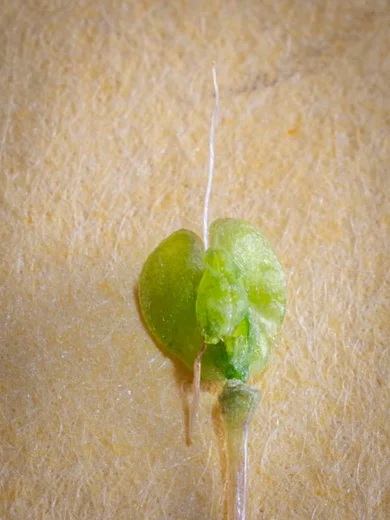
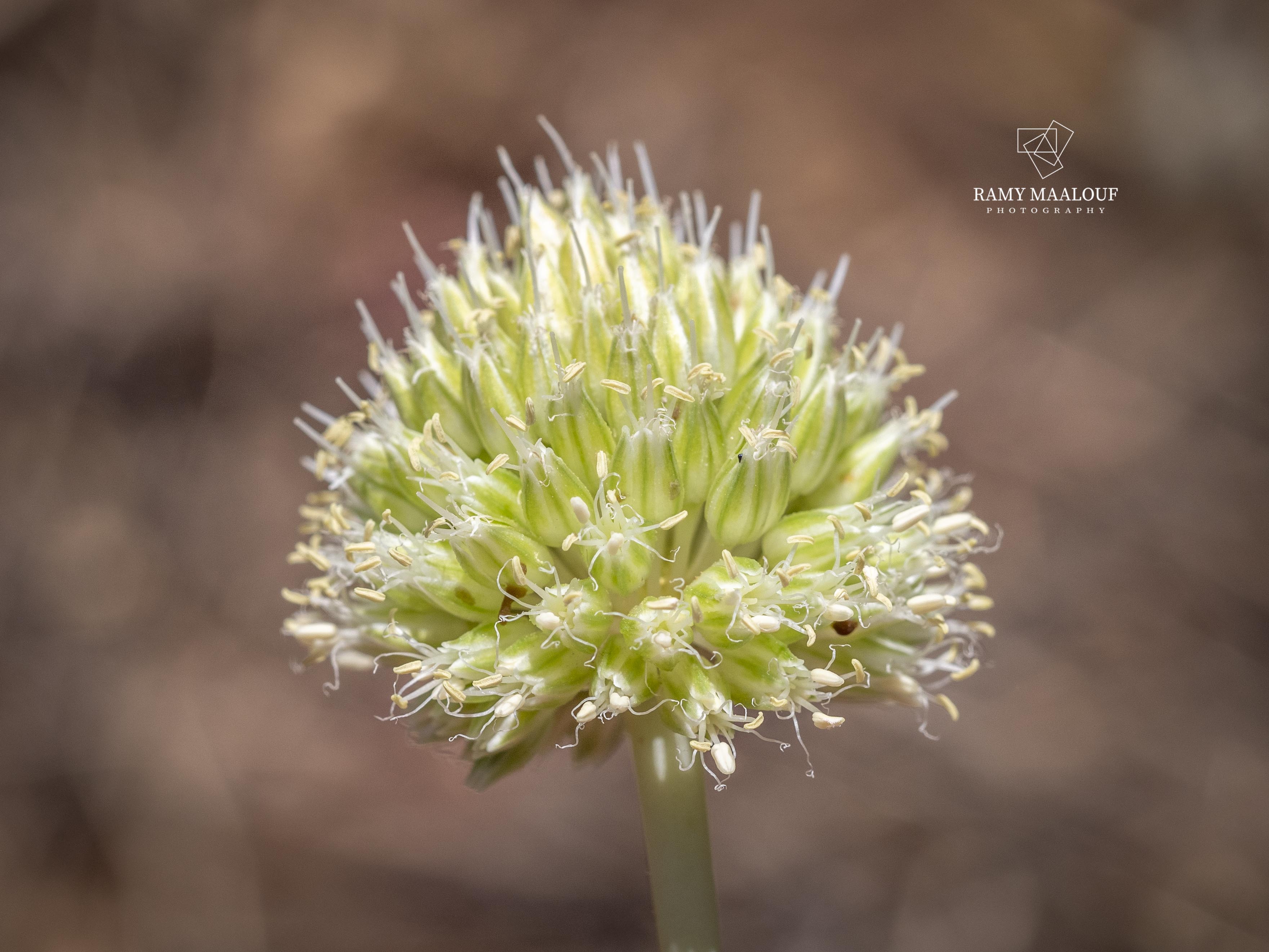
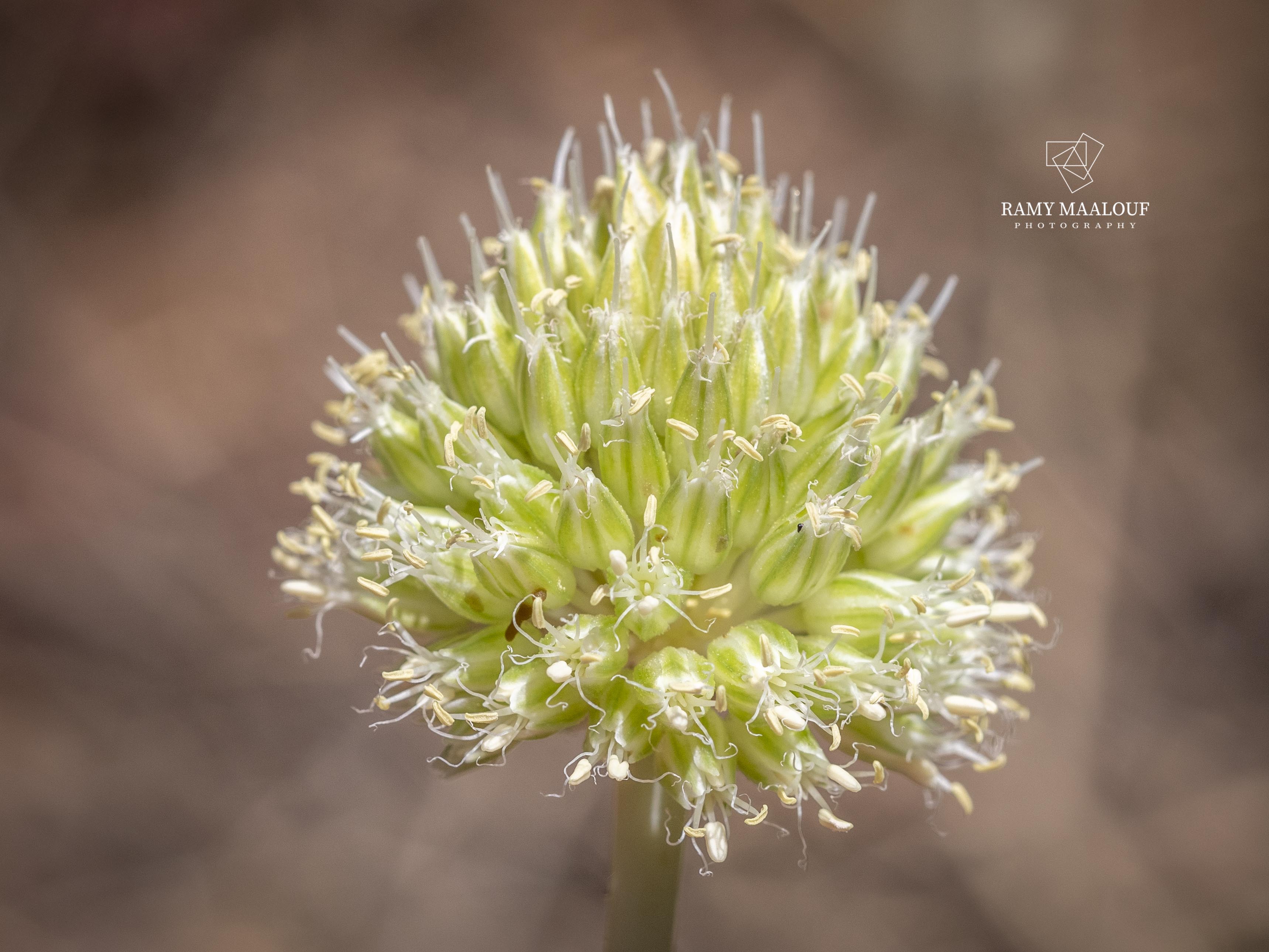
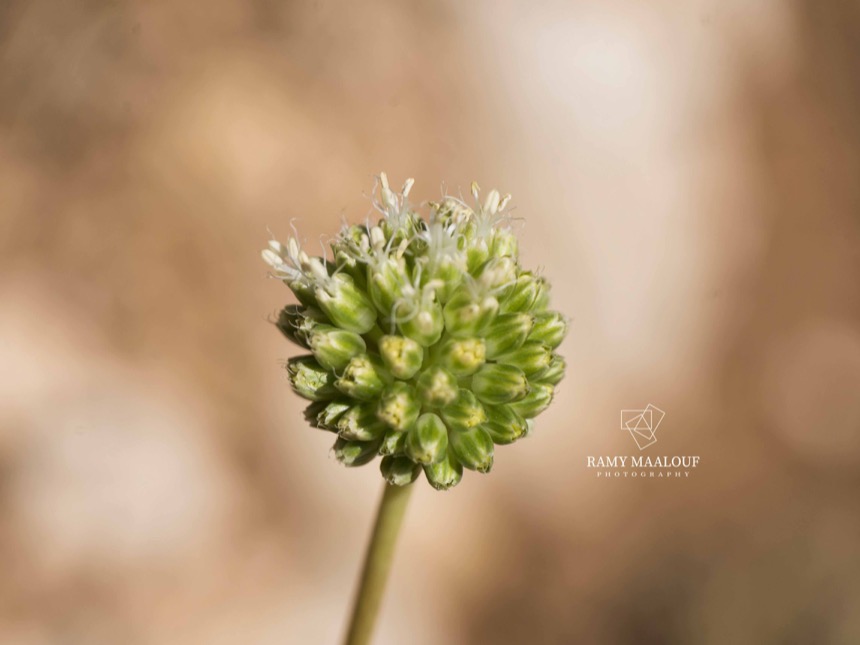
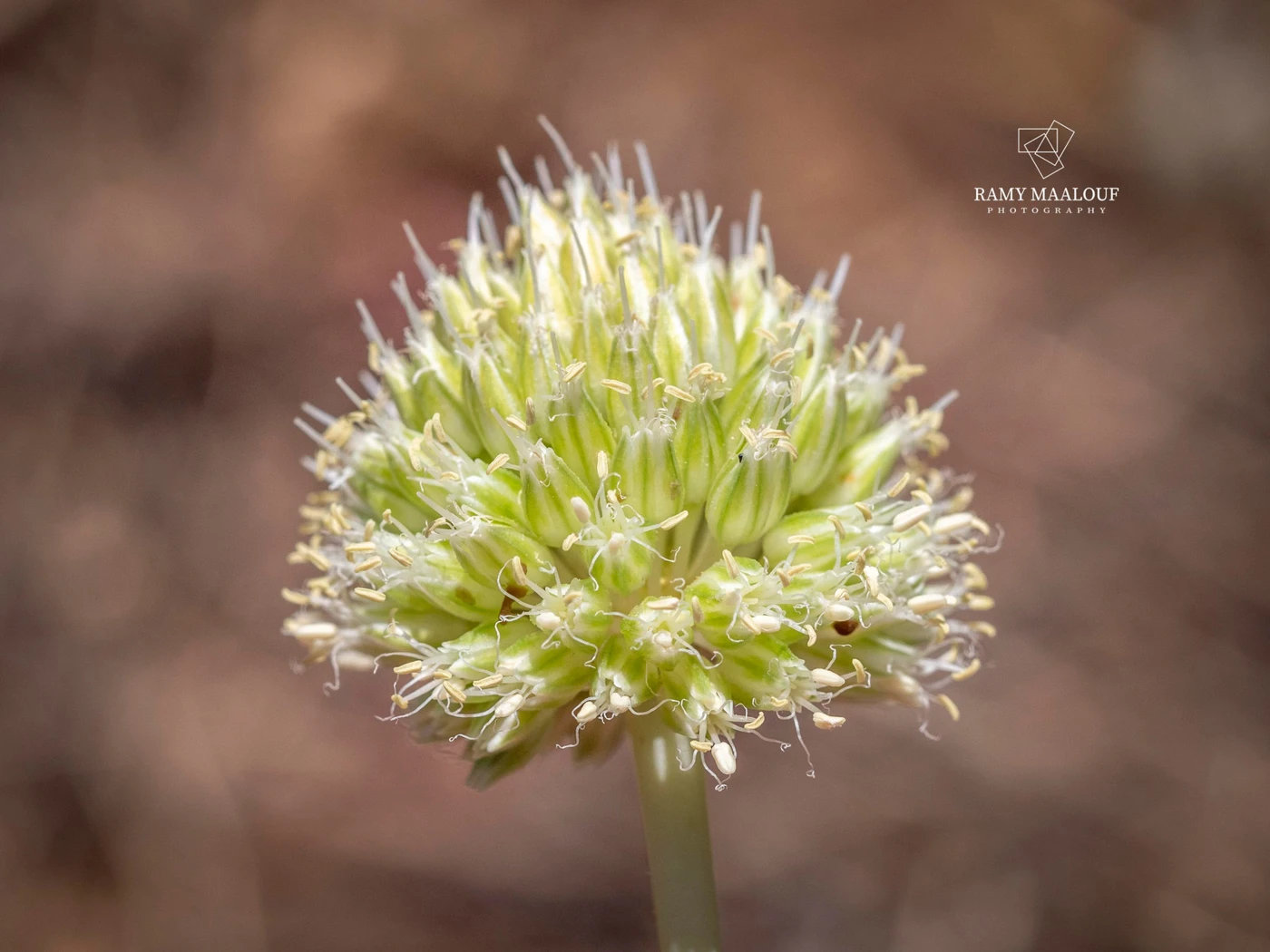
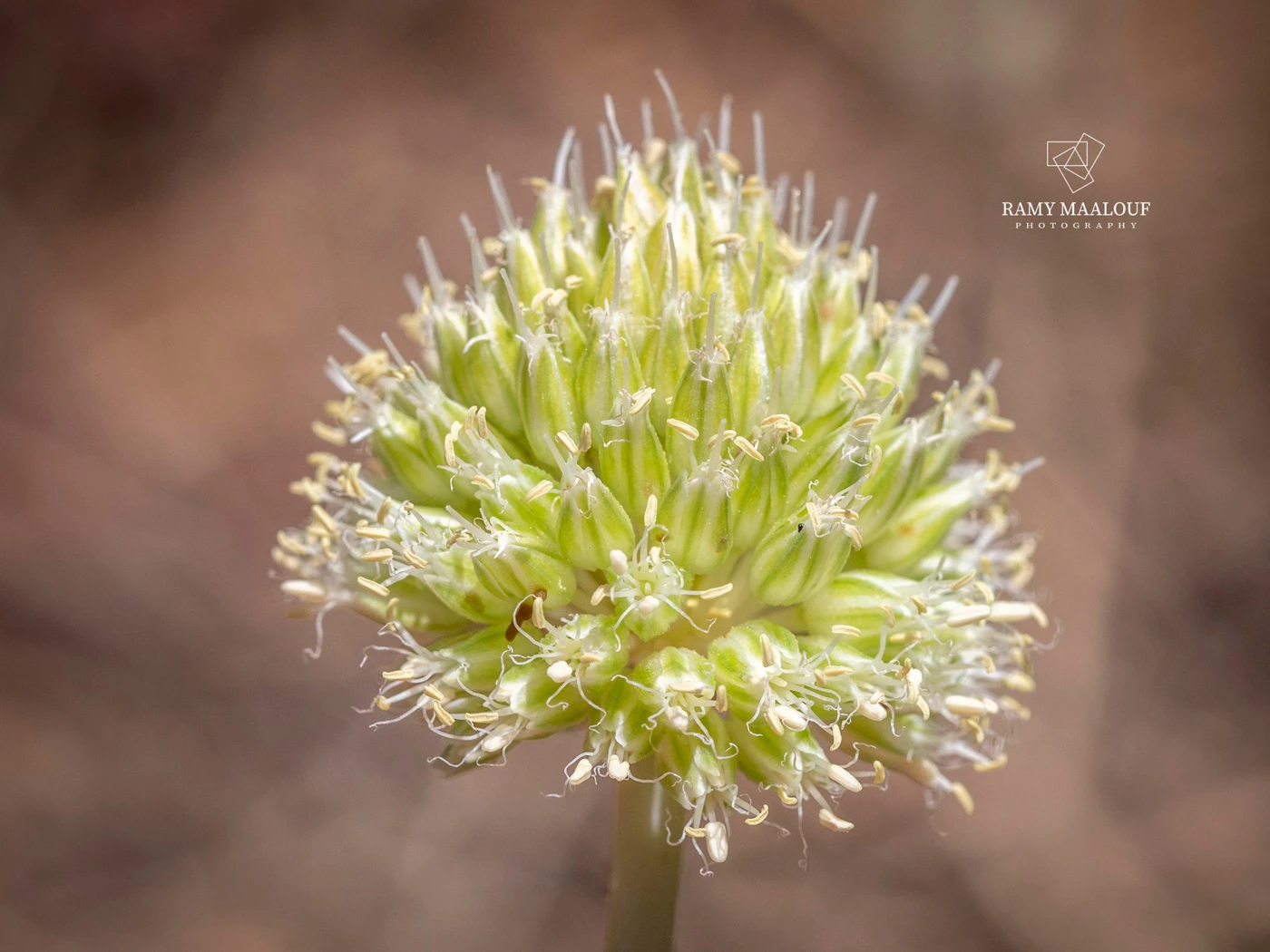
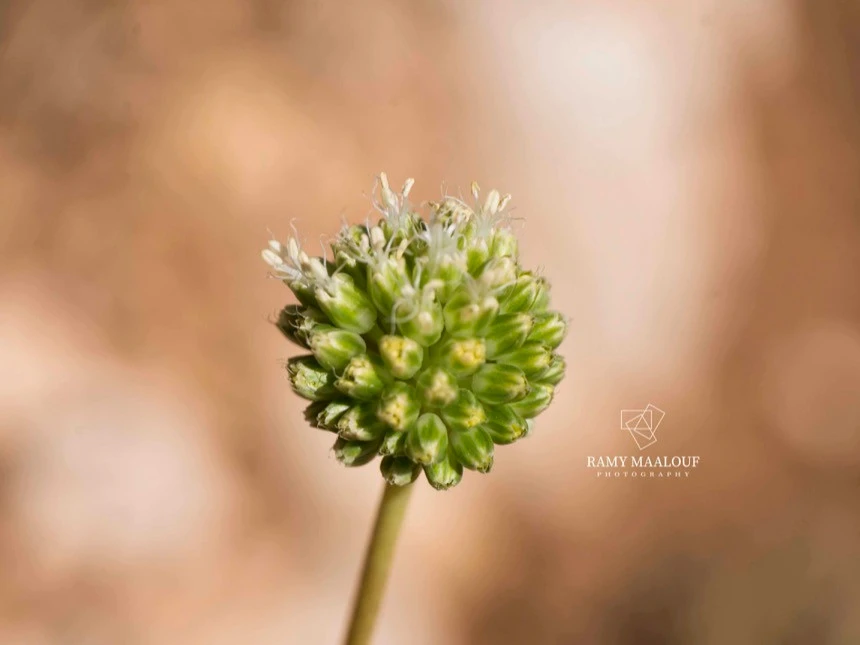
- Spathe : Small, white and concealed by the flowers; soon splits into delicate bristles. Pedicels lack bracteoles.، Inflorescence : Dense hemispherical umbel 3 – 4 cm across, bearing more than 100 flowers on brown, erect pedicels 1 – 2 cm long (shorter and reflexed in the lower tier).، Perianth : Tepals ovate-lanceolate, pure white when fresh, drying deep brown, 4 – 5 mm long; backs rough (especially on the keel); base distinctly umbilicate.، Stamens & style : Filaments strongly exserted; inner filaments three-toothed with the lateral teeth longest; style protrudes beyond the stamens.
الموائل والبيئة
Habitat & elevation : Rocky high-montane slopes; type locality ʿAïn Saouaʿir, c. 1 800 m a.s.l.
مواسم النبات
- الفنلوجية
- Phenology : Flowers recorded in mid-July at the type locality; fruit unknown.
الانتشار الموثق
Endemic to Lebanon
Native range : Confirmed from Lebanon’s high cedar-zone mountains (e.g. ʿAïn Saouaʿir on Mount Hermon, Cedars of Bcharré, Ras Barqaawiyé, Marj el-ʿAsfour). No verified occurrences are known from neighbouring Syria or Jordan.
Distribution note. Kew’s Plants of the World Online additionally lists western Saudi Arabia within the native range. This record comes from secondary literature (Flora of the Kingdom of Saudi Arabia) and awaits herbarium confirmation; field verification is recommended because no intermediate populations are reported between Lebanon and KSA.
الارتفاع الموثق
- الارتفاع
- 800 m a.s.l.
الفصيلة والتصنيف
- الاسم العلمي المقبول
- Allium pseudocalyptratum
- الفصيلة
- ثومية