Jacobaea mouterdei
الفصيلة نجمية · Asteraceae
معرض النبات
حقوق الصور وإسنادها
- المصدر · الصورة الأصلية
© Ramy Maalouf 2020 - 2026
- المصدر · الصورة الأصلية
© Ramy Maalouf 2020 - 2026
- المصدر · الصورة الأصلية
© Ramy Maalouf 2020 - 2026
- المصدر · الصورة الأصلية
© Ramy Maalouf 2020 - 2026
- المصدر · الصورة الأصلية
© Ramy Maalouf 2020 - 2026
- المصدر · الصورة الأصلية
© Ramy Maalouf 2020 - 2026
- المصدر · الصورة الأصلية
© Ramy Maalouf 2020 - 2026
الوصف النباتي
- الأوراق
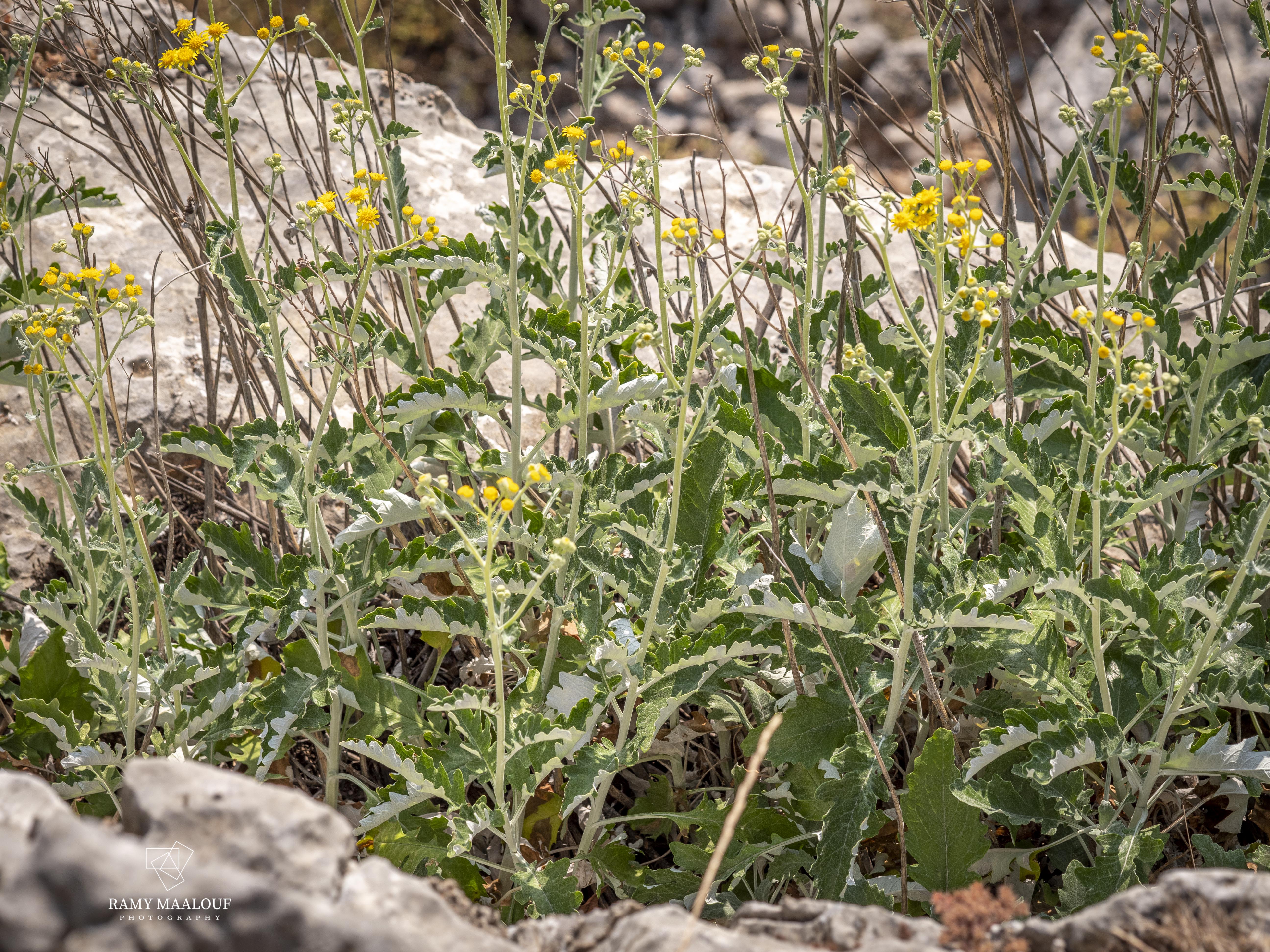
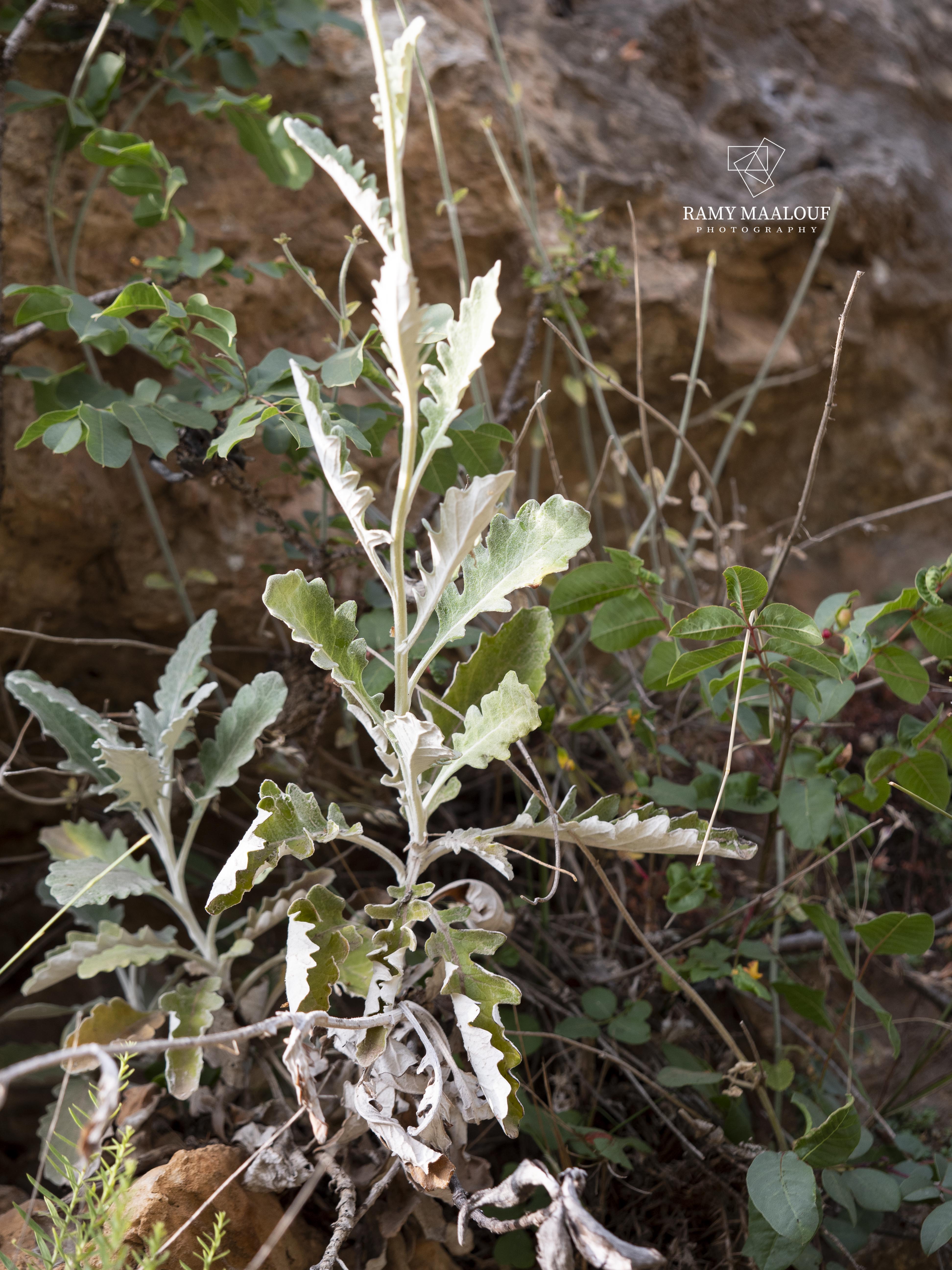
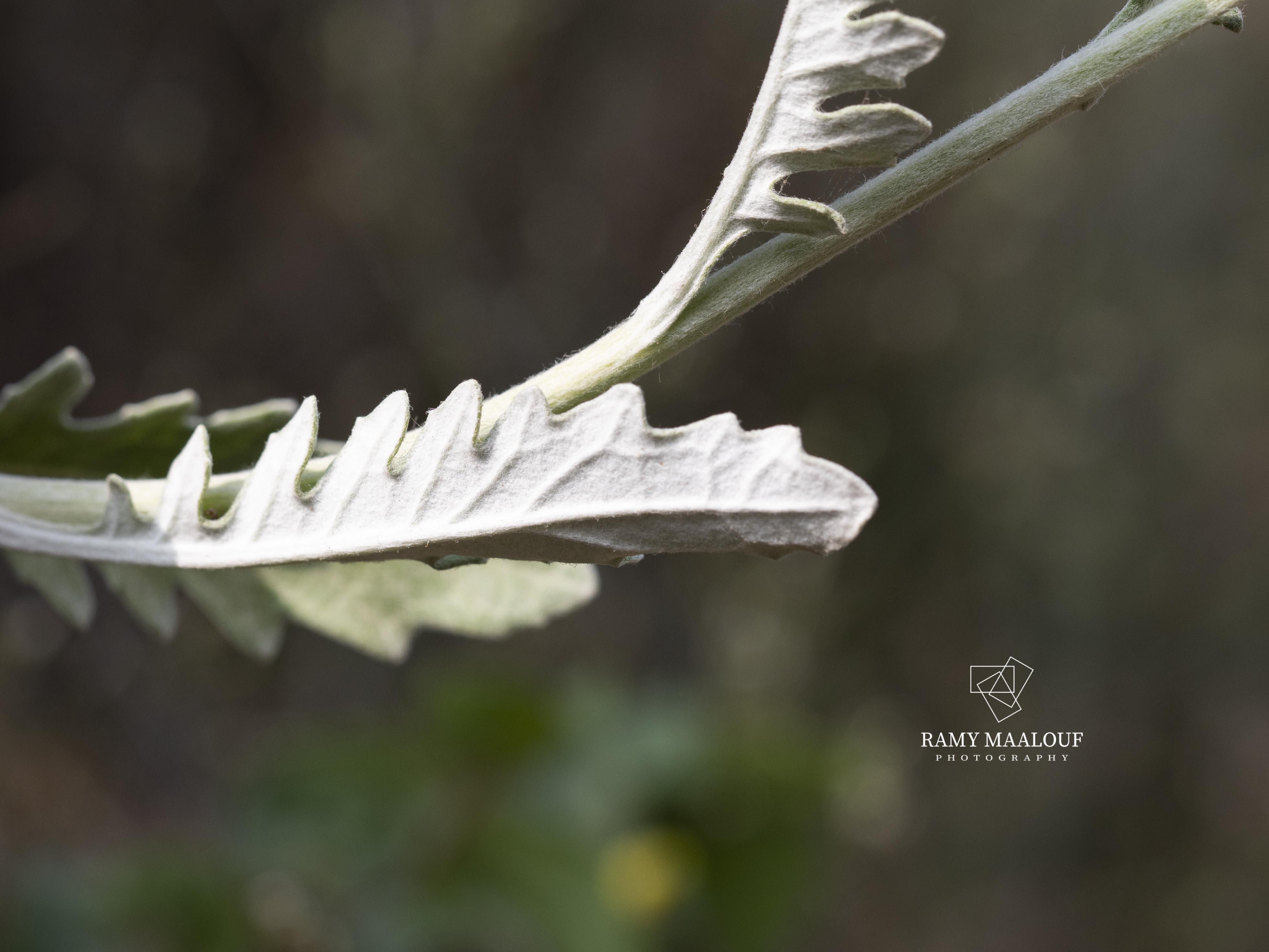
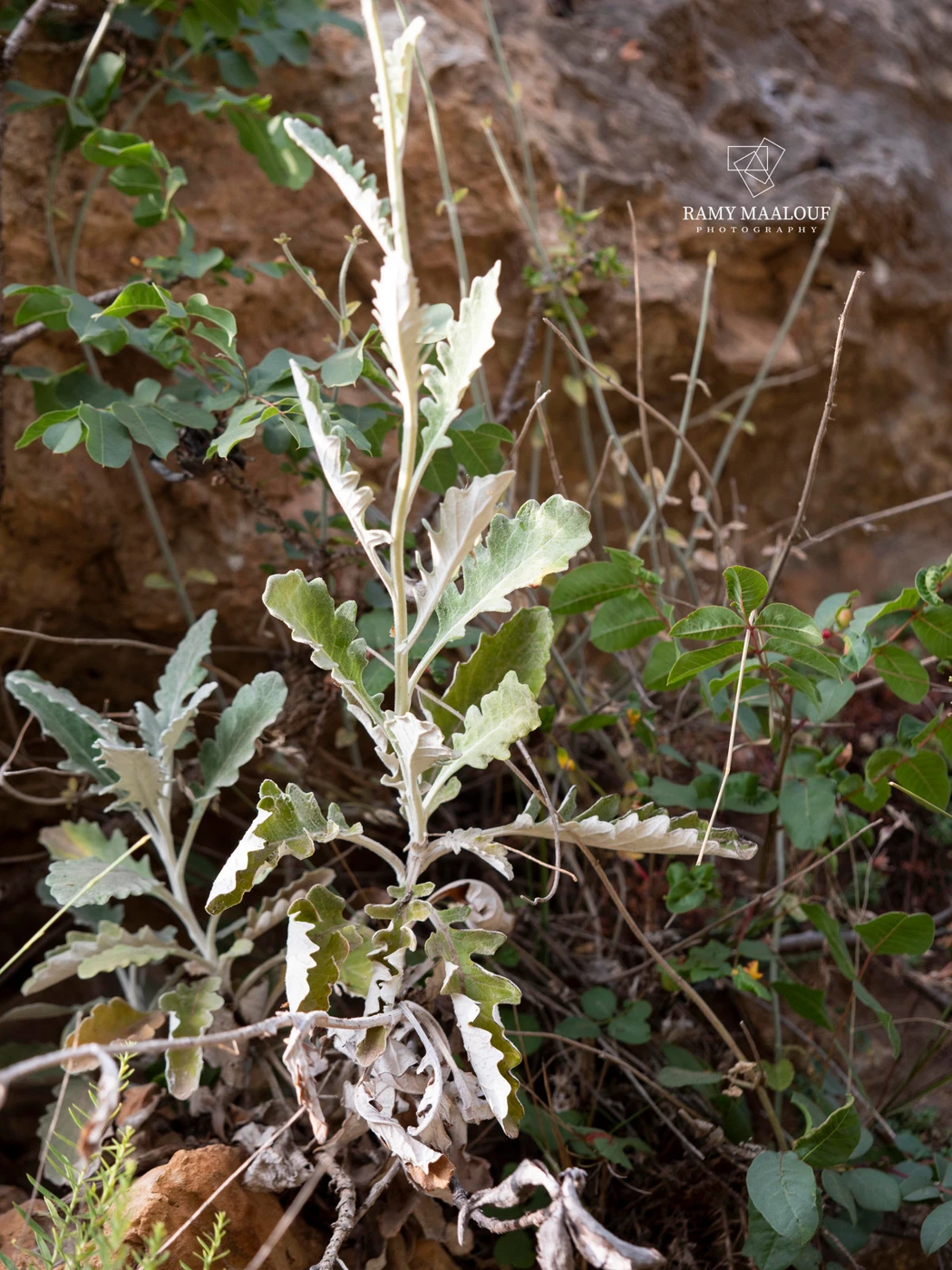
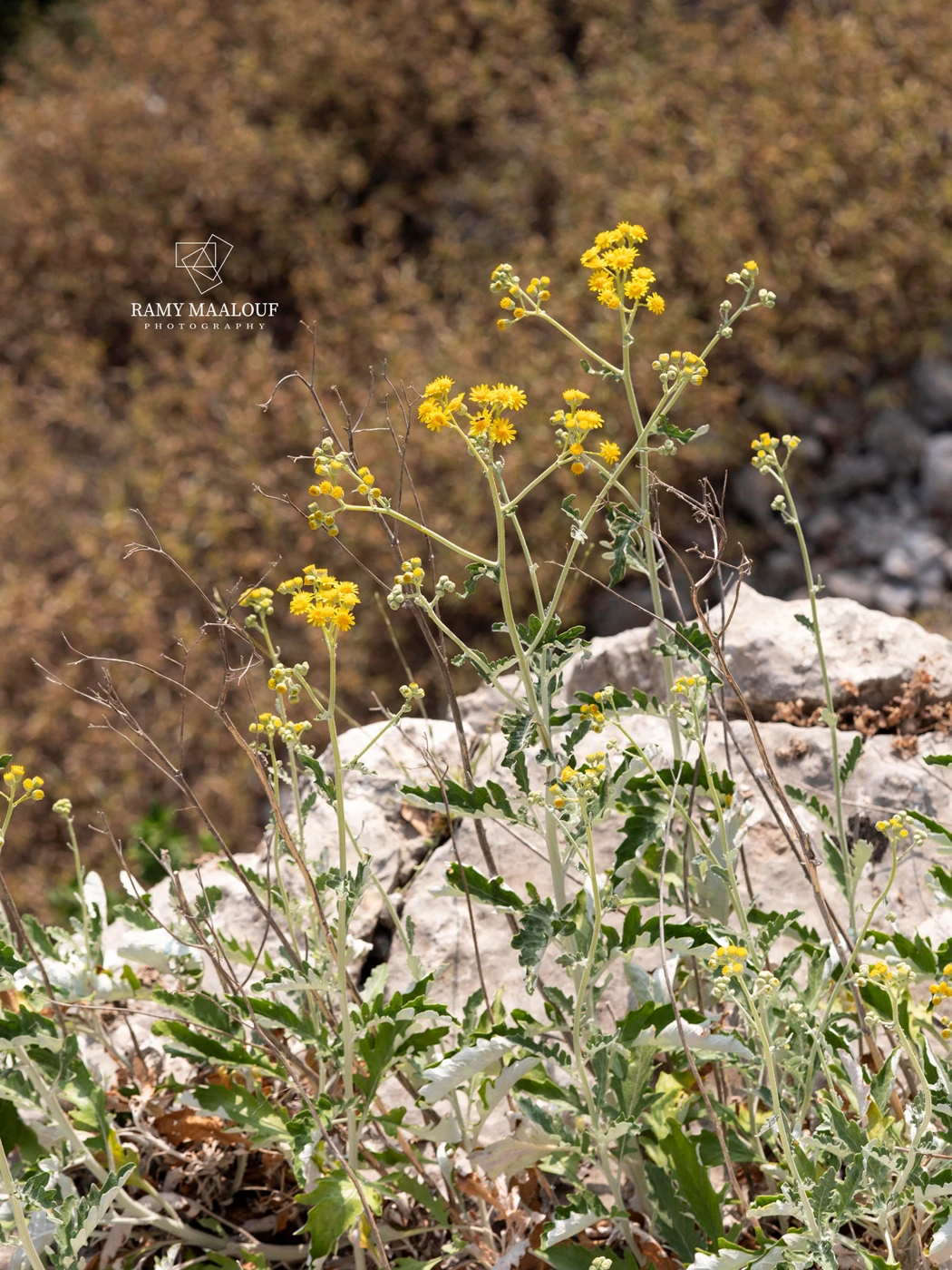
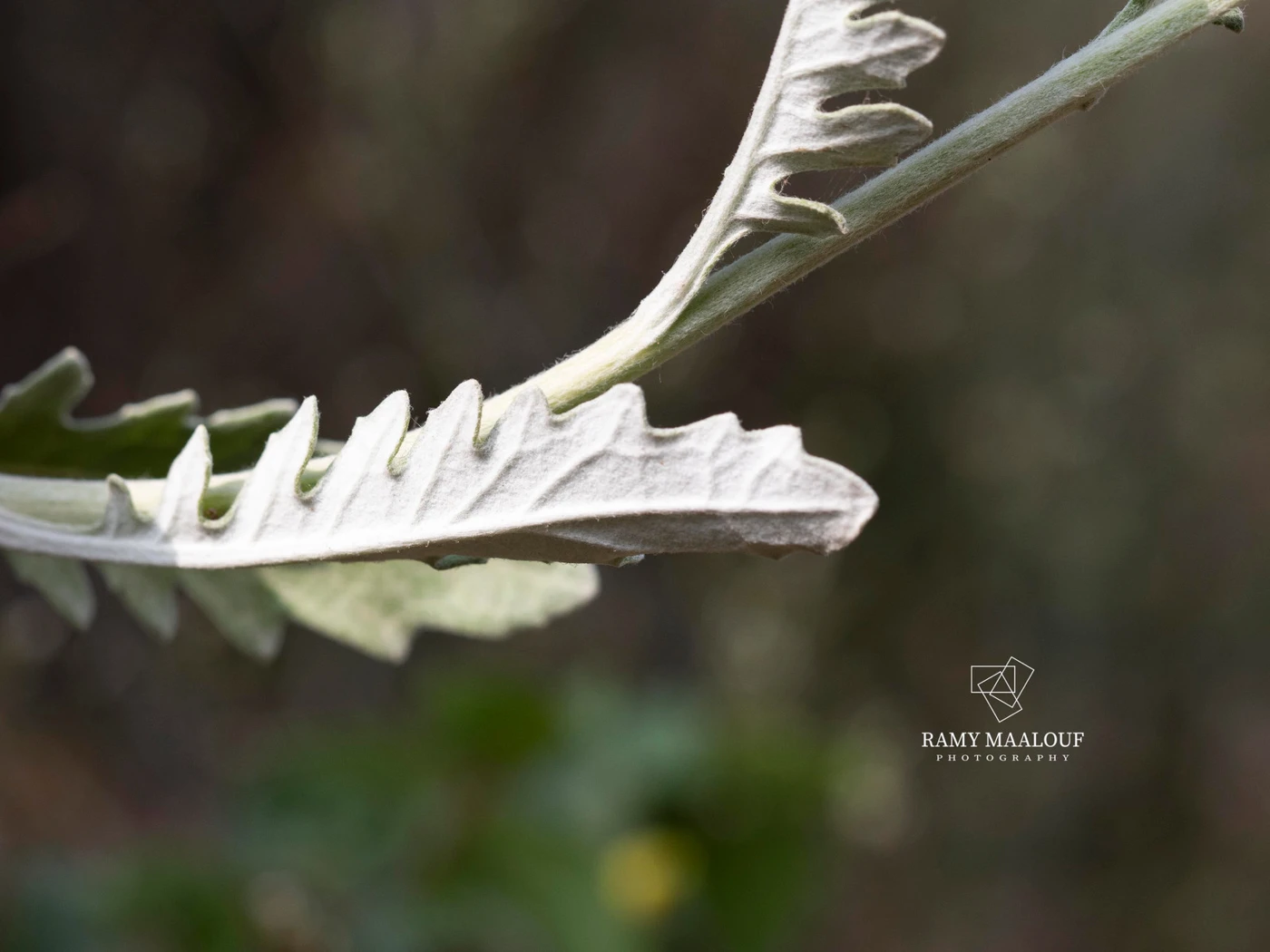
- Leaves: Stalked, oblong-obovate, up to 13 × 6 cm, variously pinnately lobed or deeply divided, with a bluntly three- to five-lobed tip. Up to ten spreading lobes on either side, oblong to oblong-obovate, narrower below, entire or shallowly divided into two to four blunt lobules. Lower lobes run shortly down a petiole broadened at the base. Upper leaves sessile, narrower and wavy-lobed to pinnatifid.
- الأزهار
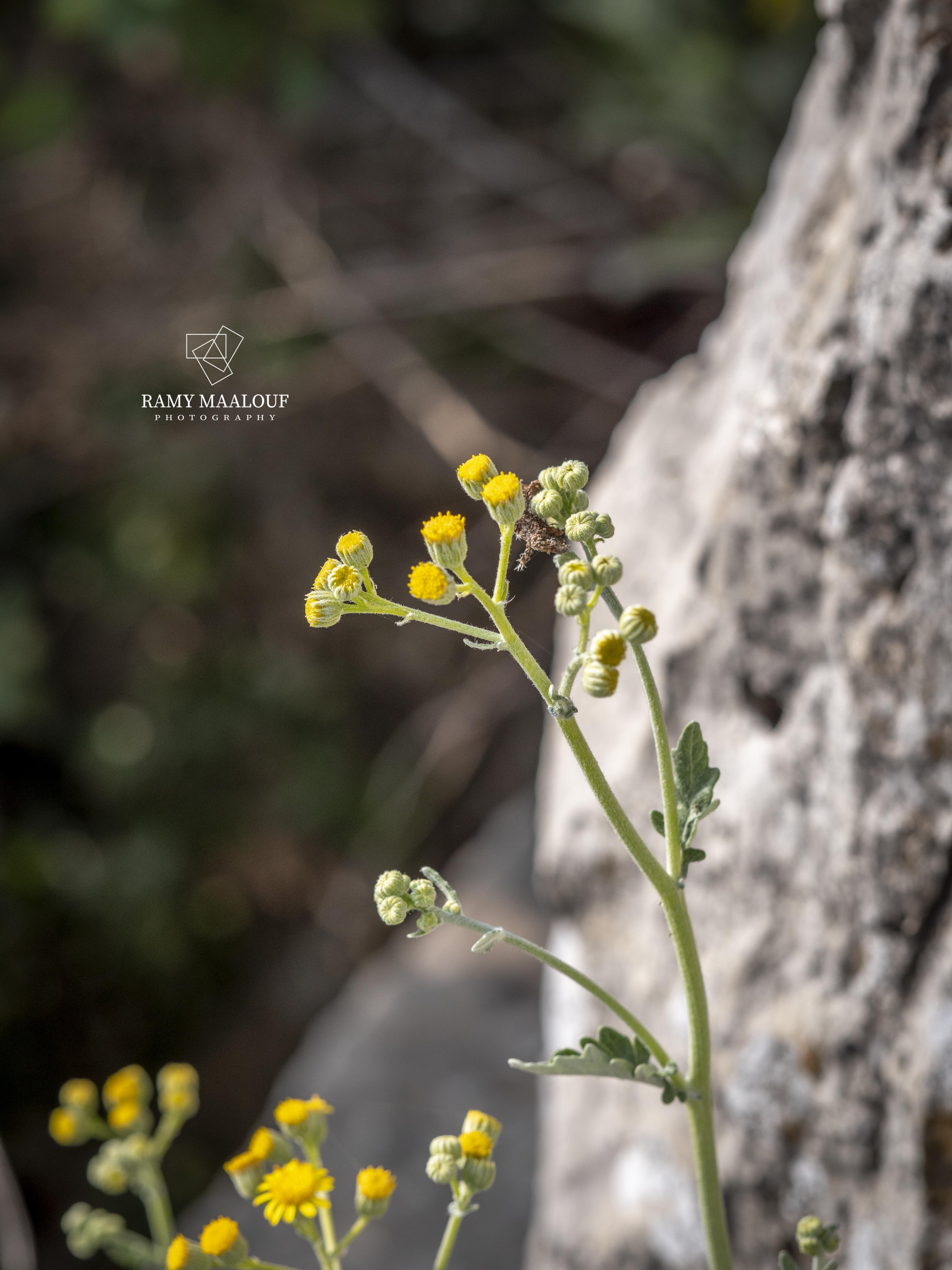
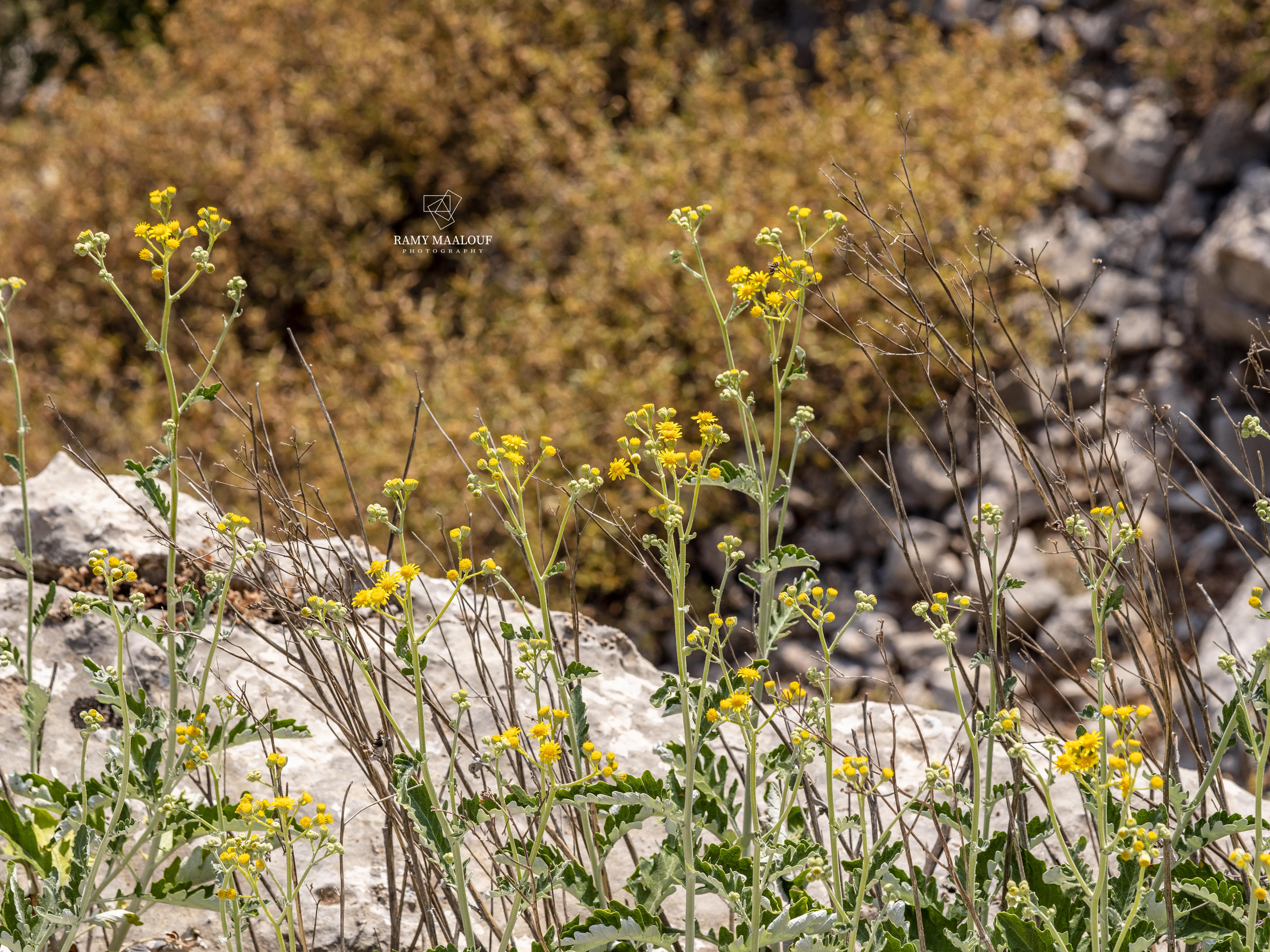
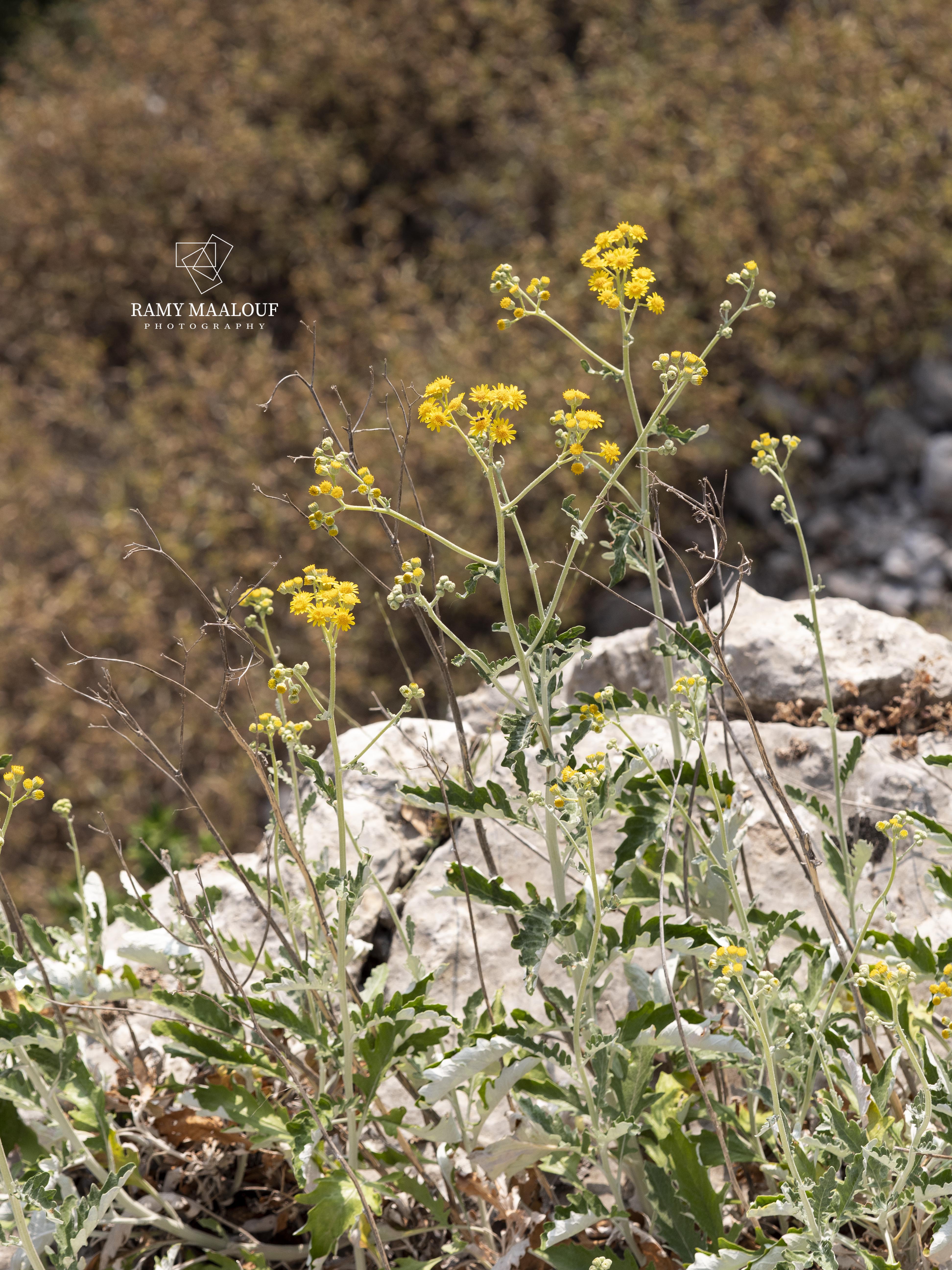
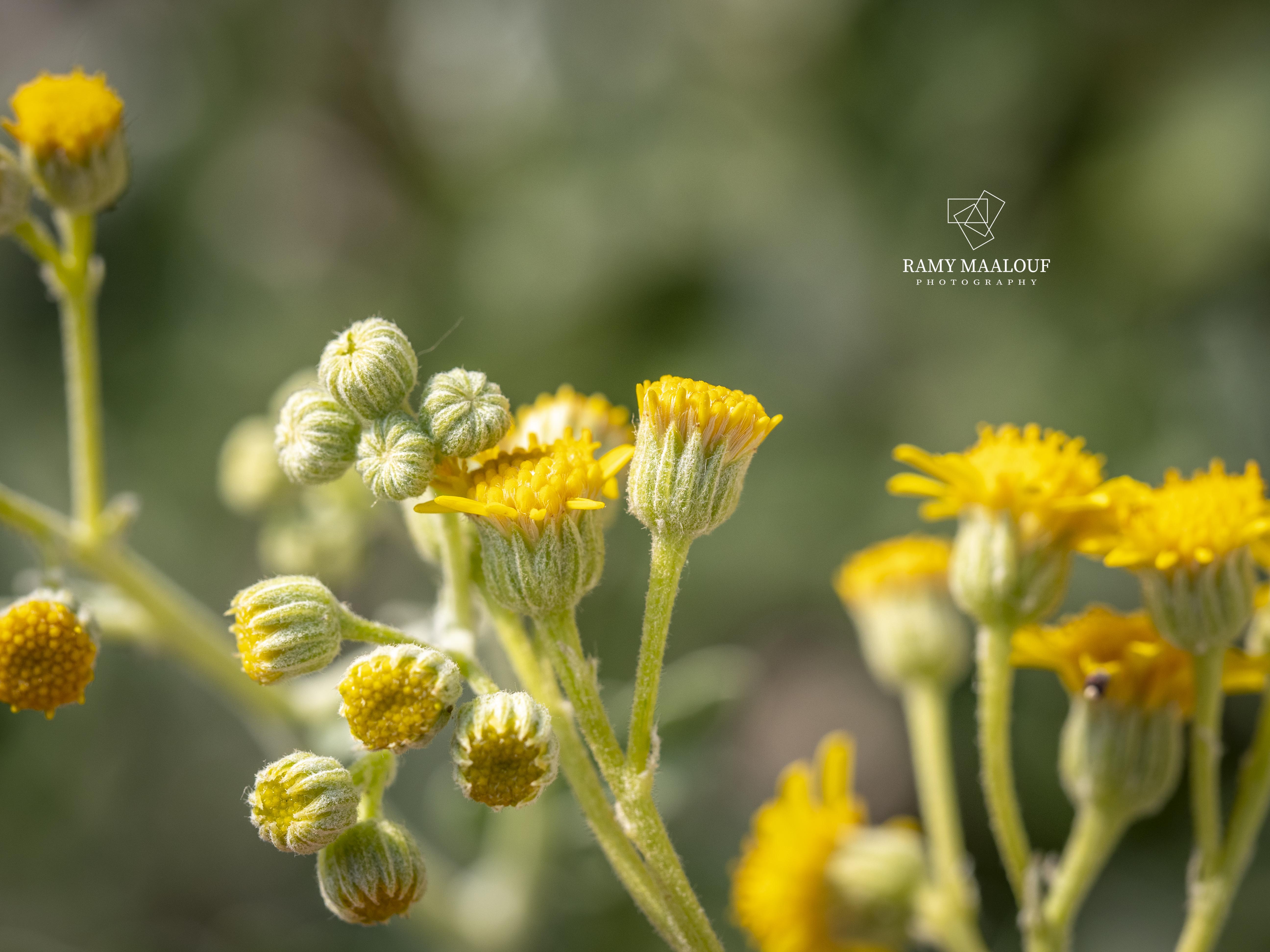
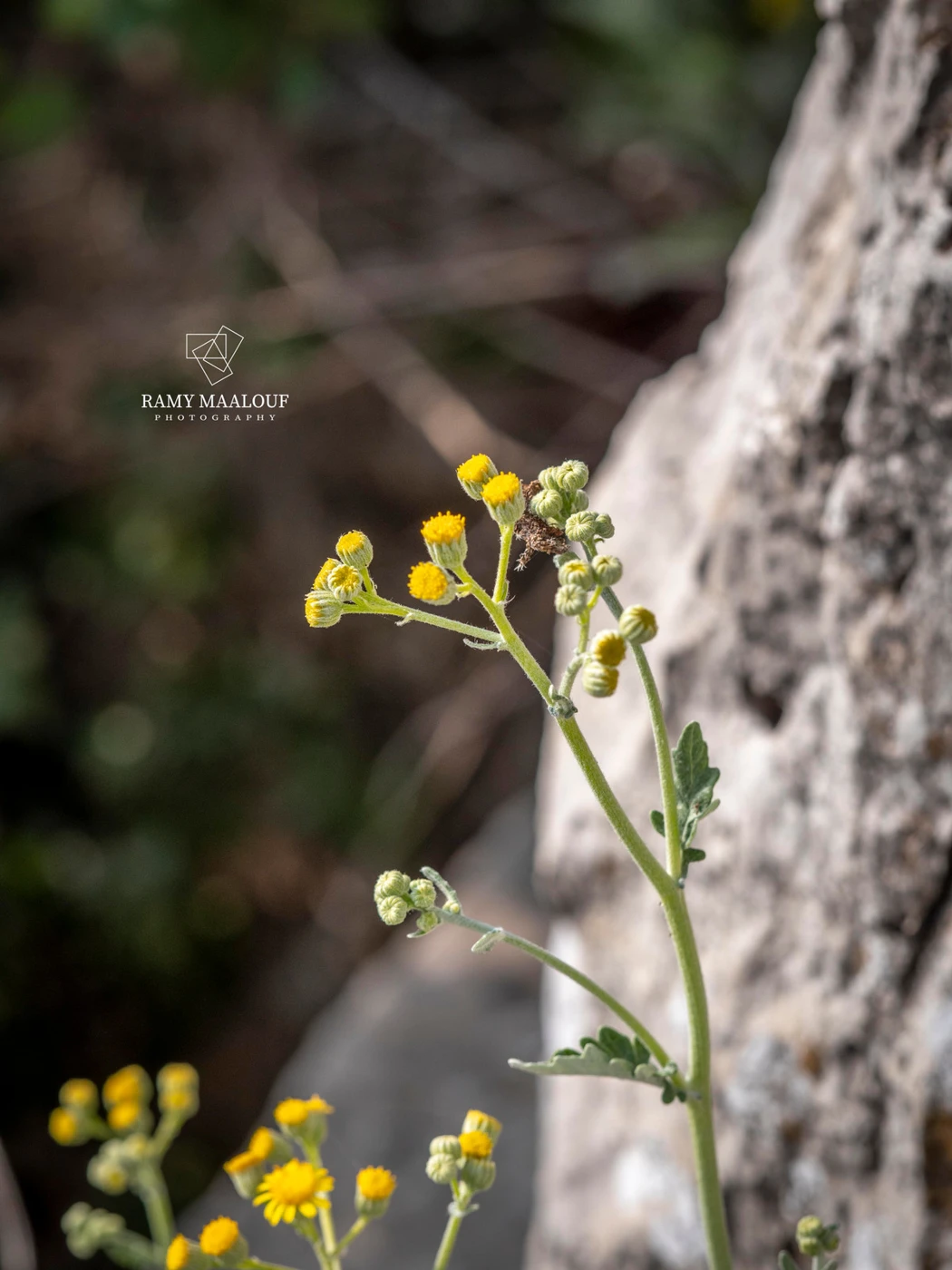
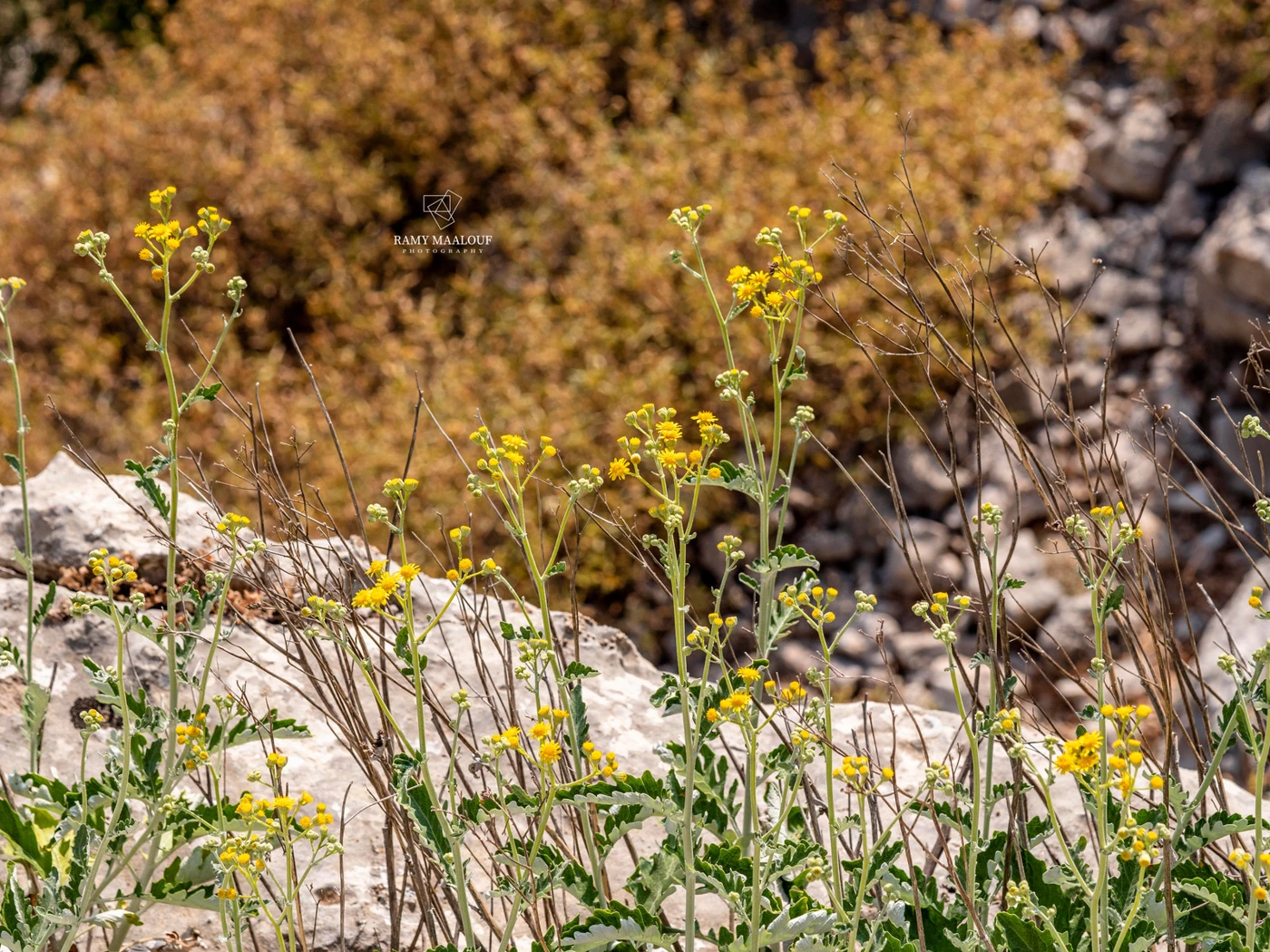
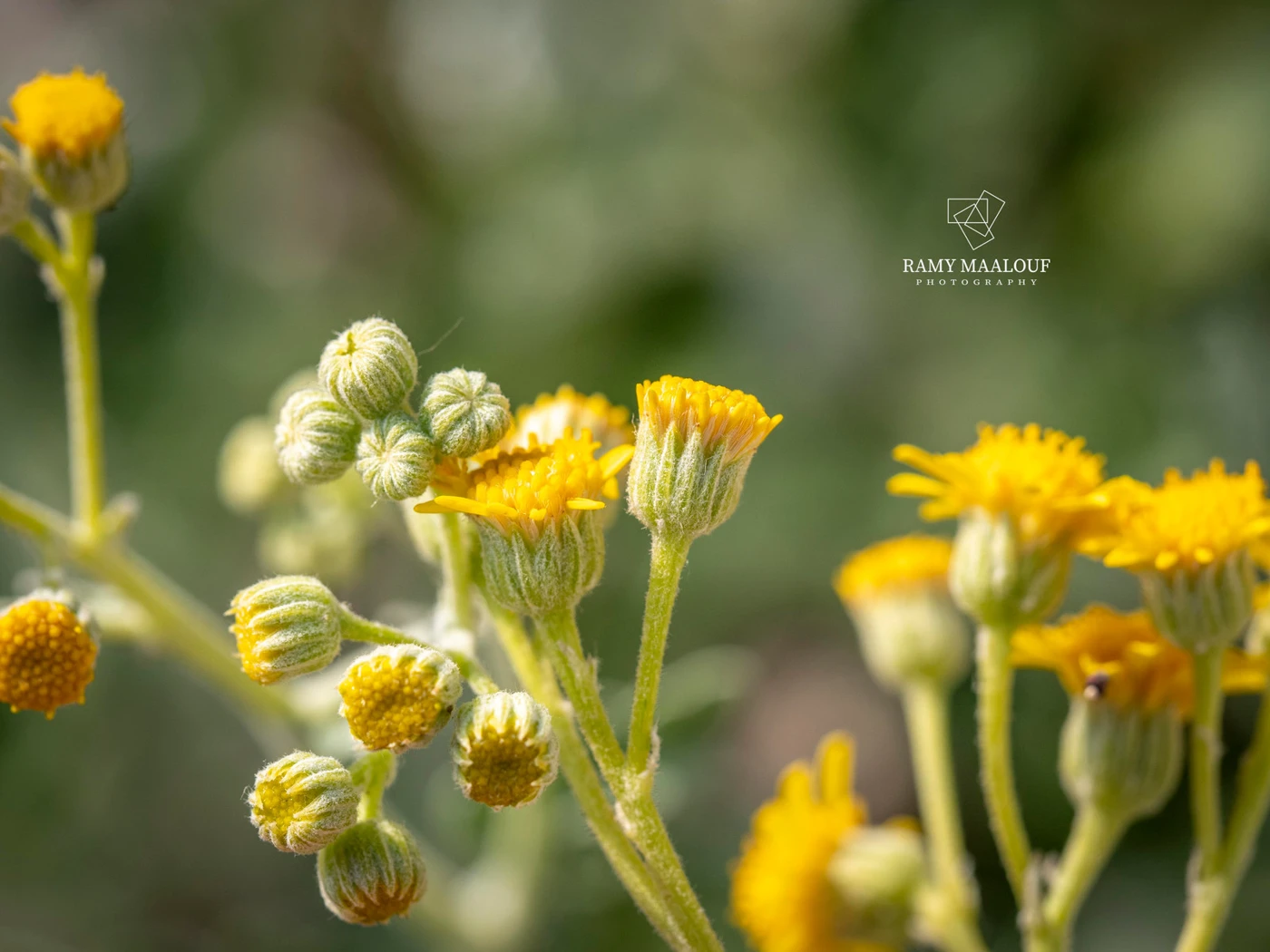
- Inflorescence & flowers: Small heads, 7–10 mm in the identification key, inversely conical to bell-shaped, arranged in a many-headed compound corymb with erect branches. Involucre whitish and woolly. Bracts nearly flat and ovate, with a green, three-veined woolly centre and white, papery, glabrous margins. Flowers yellow; ray florets lanceolate with three-toothed tips.
- الثمار والبذور
- Fruit: Glabrous achenes, described as 0.8 mm long, with a white pappus about 6 mm long, equalling the tubular florets.
الموائل والبيئة
Habitat & elevation: The original population occupied a difficult-to-access site at the bottom of a deep valley.
مواسم النبات
- الفنلوجية
- Phenology: June.
الانتشار الموثق
Endemic to Lebanon
Lebanese distribution: Wadi Jhannam, downstream from Qemanine and below Hrar. Mouterde reports a few many-stemmed clumps at the only locality then known.
Recorded locations: Wadi el Qatr, Fnaidek and Mechmech.
Native range: Central Lebanon in Kew’s range summary; listed under the distribution unit Lebanon-Syria.
لمحة نباتية
- بنية النبات
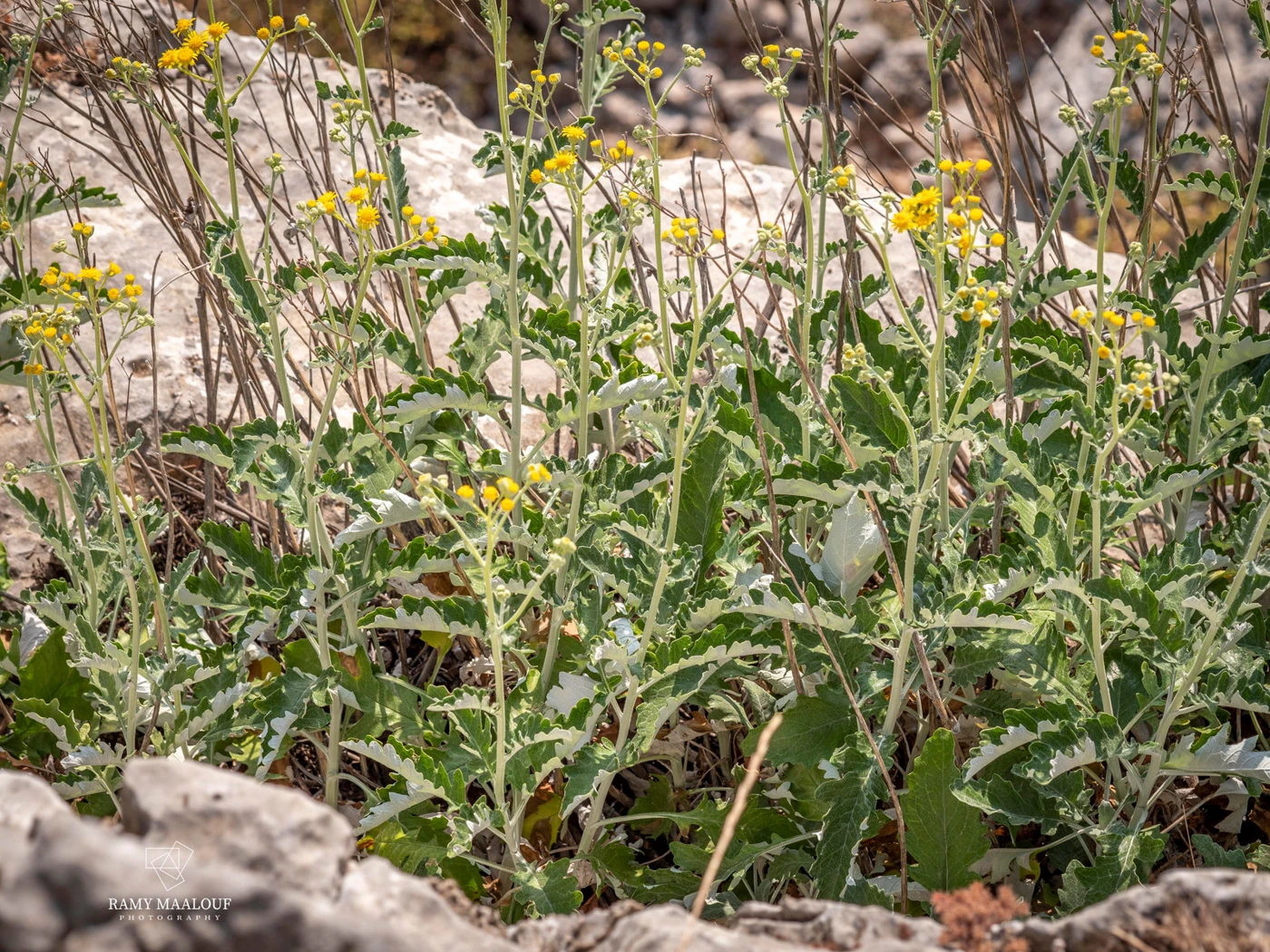
- Life-form & habit: Perennial forming many-stemmed clumps. Plant white-felted except for the green upper leaf surfaces, which have a light cobweb-like covering. Stem thick and branched above.
- دورة الحياة
- معمرة
الفصيلة والتصنيف
- الاسم العلمي المقبول
- Jacobaea mouterdei
- الفصيلة
- نجمية
- أسماء علمية بديلة قيد التحقق
- Synonym: Senecio mouterdei Arènes.