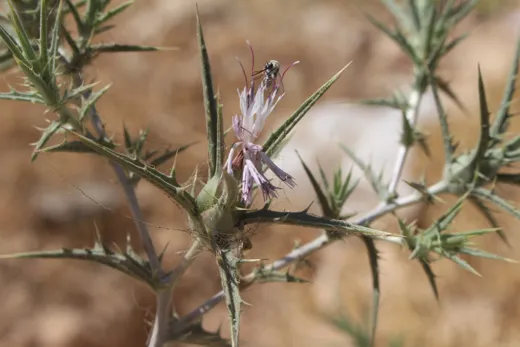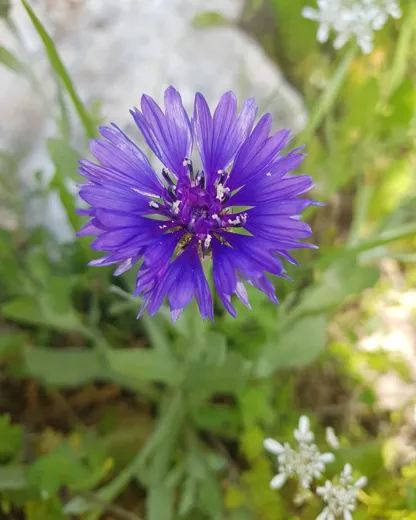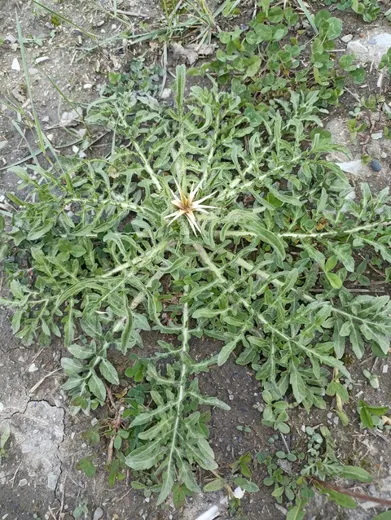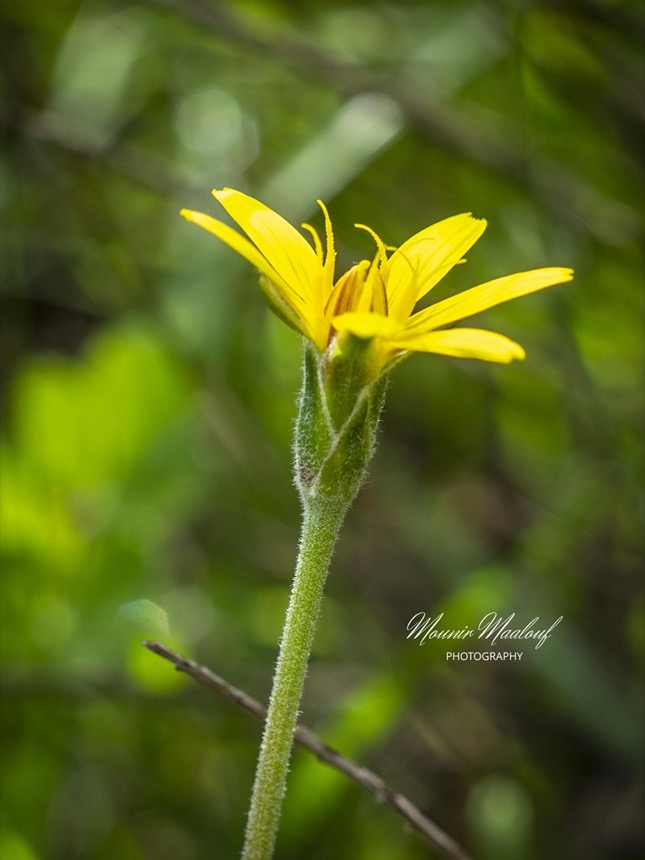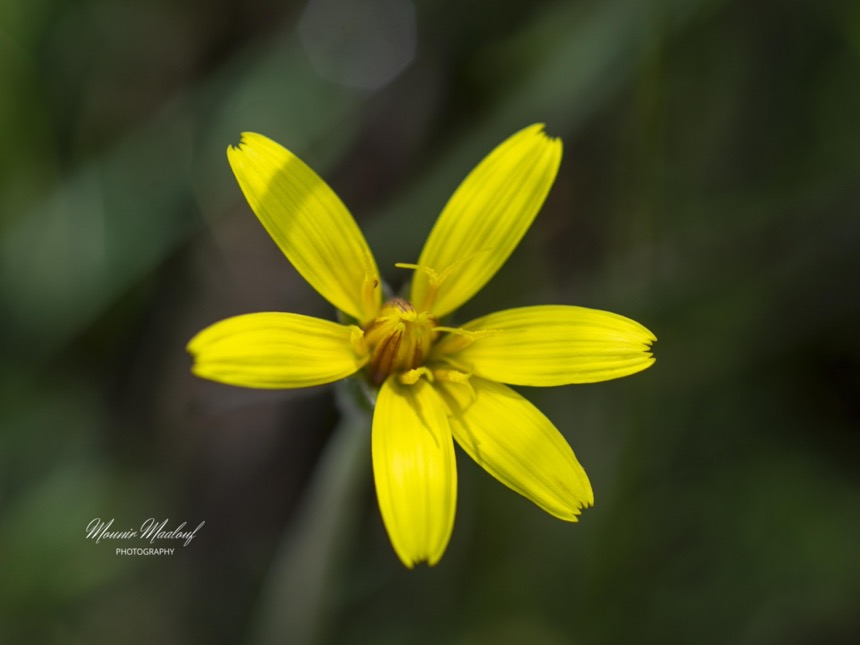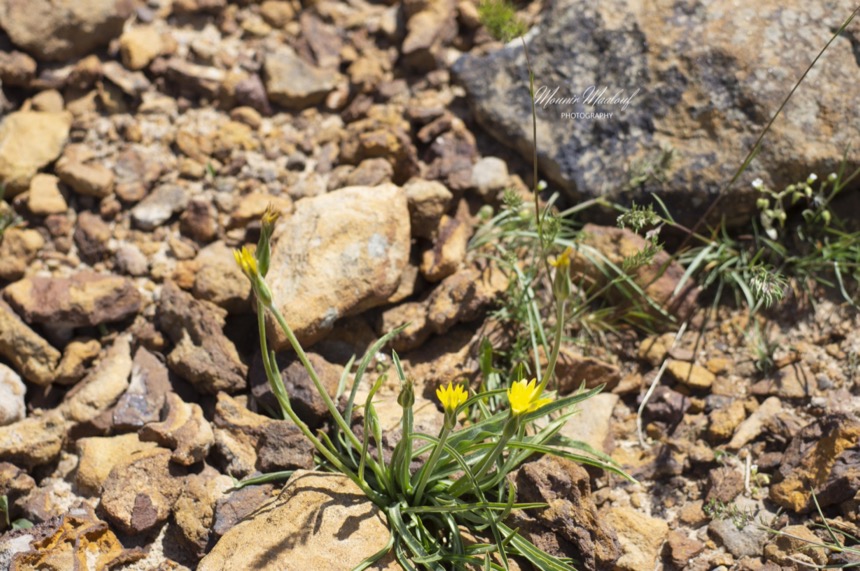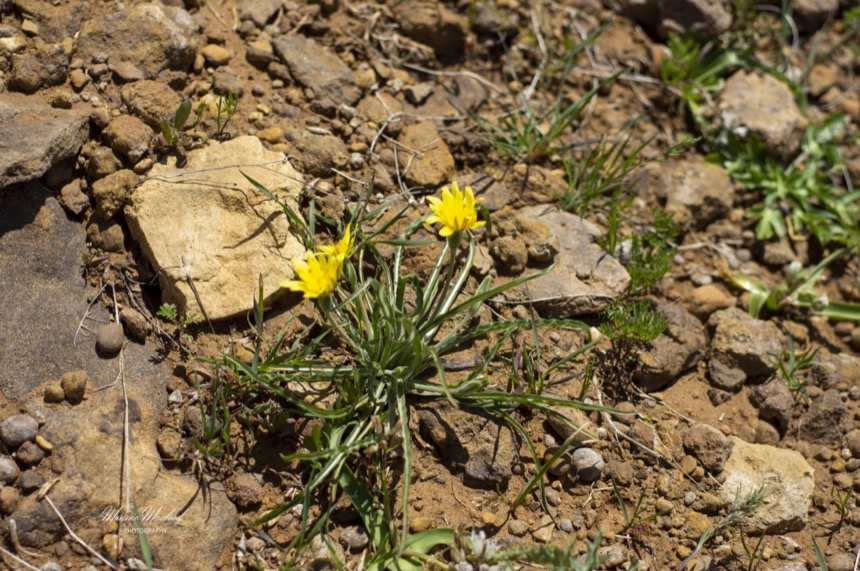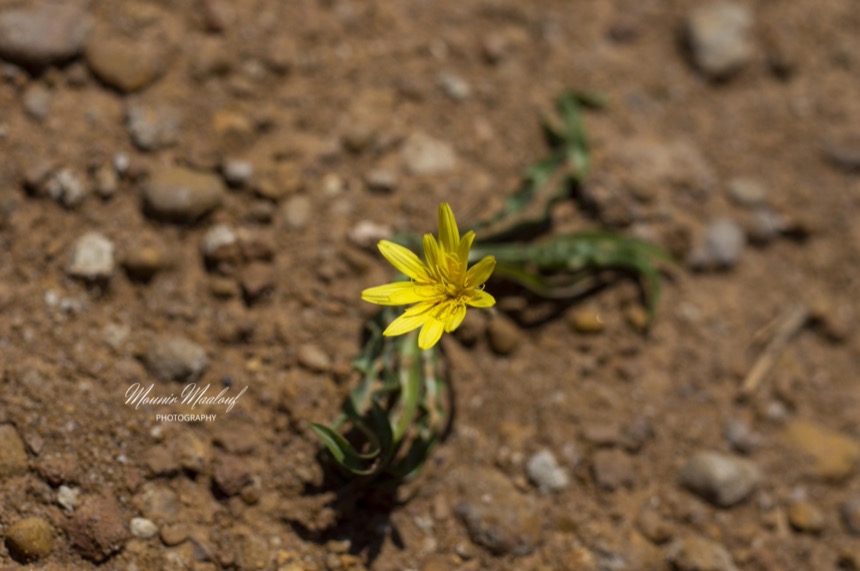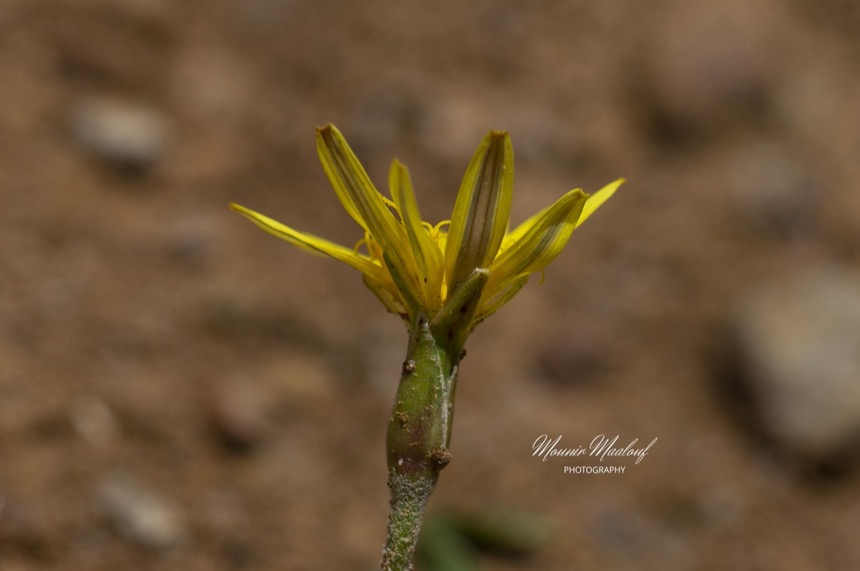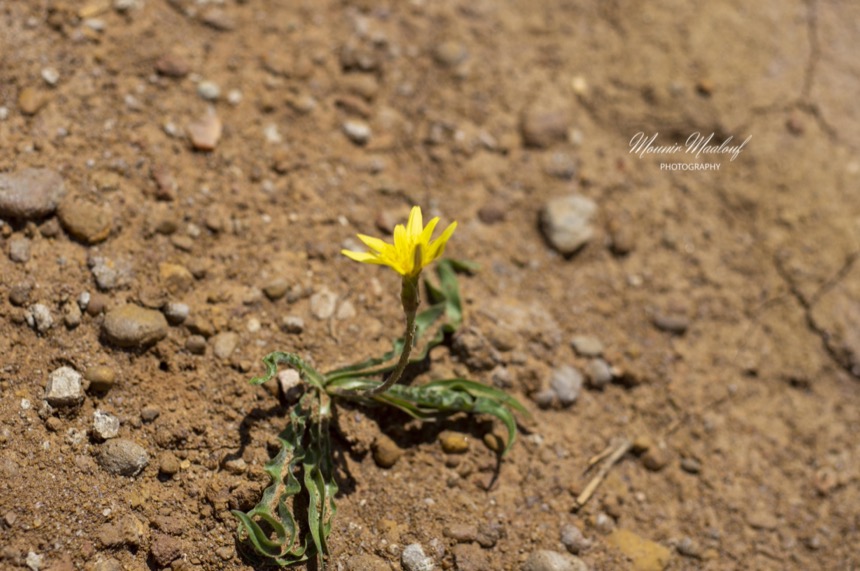
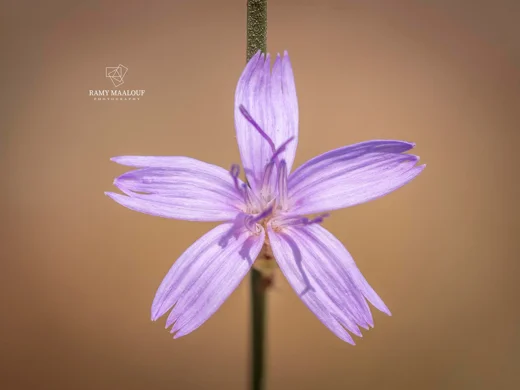
Pseudopodospermum molle
الفصيلة نجمية · Asteraceae
معرض النبات
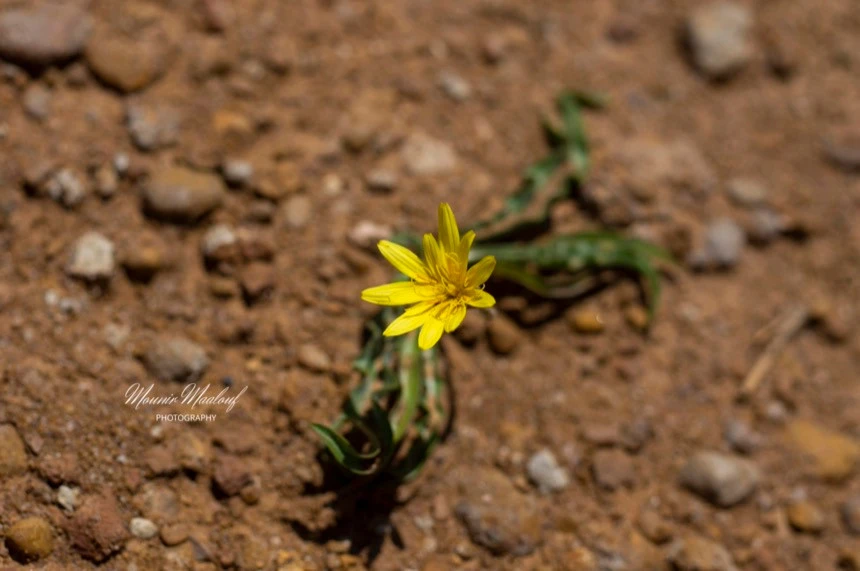
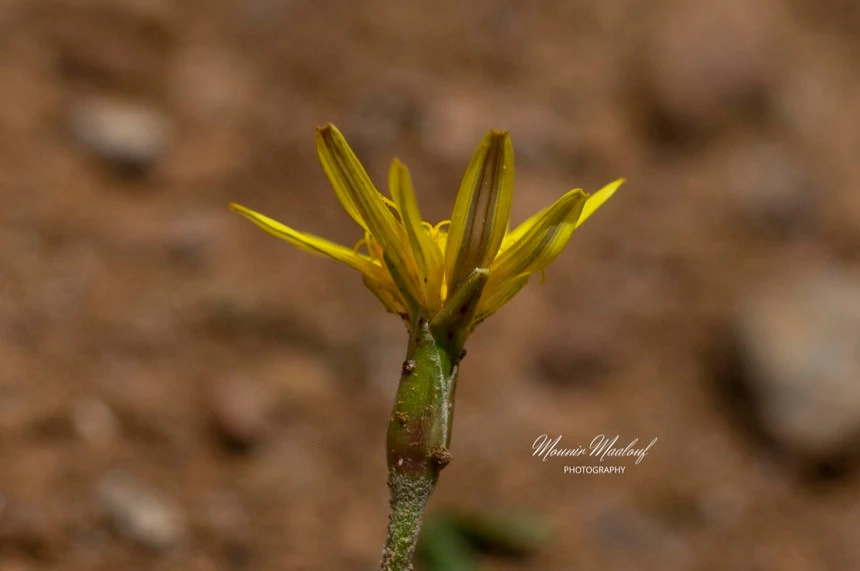
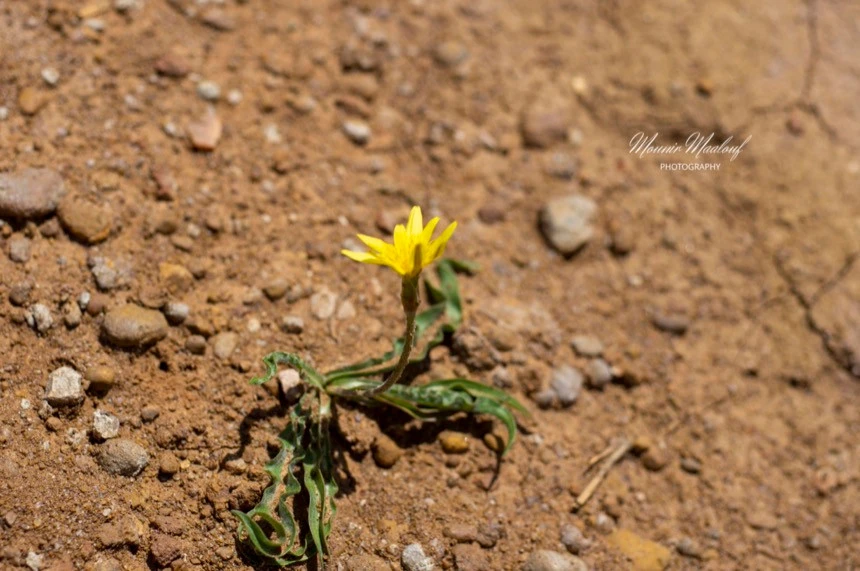
حقوق الصور وإسنادها
- المصدر · الصورة الأصلية
© Ramy Maalouf 2020 - 2026
- المصدر · الصورة الأصلية
© Ramy Maalouf 2020 - 2026
- المصدر · الصورة الأصلية
© Ramy Maalouf 2020 - 2026
- المصدر · الصورة الأصلية
© Ramy Maalouf 2020 - 2026
- المصدر · الصورة الأصلية
© Ramy Maalouf 2020 - 2026
- المصدر · الصورة الأصلية
© Ramy Maalouf 2020 - 2026
- المصدر · الصورة الأصلية
© Ramy Maalouf 2020 - 2026
الوصف النباتي
Basionym: Scorzonera mollis M.Bieb., Fl. Taur.-Caucas. 3: 522 (1819).
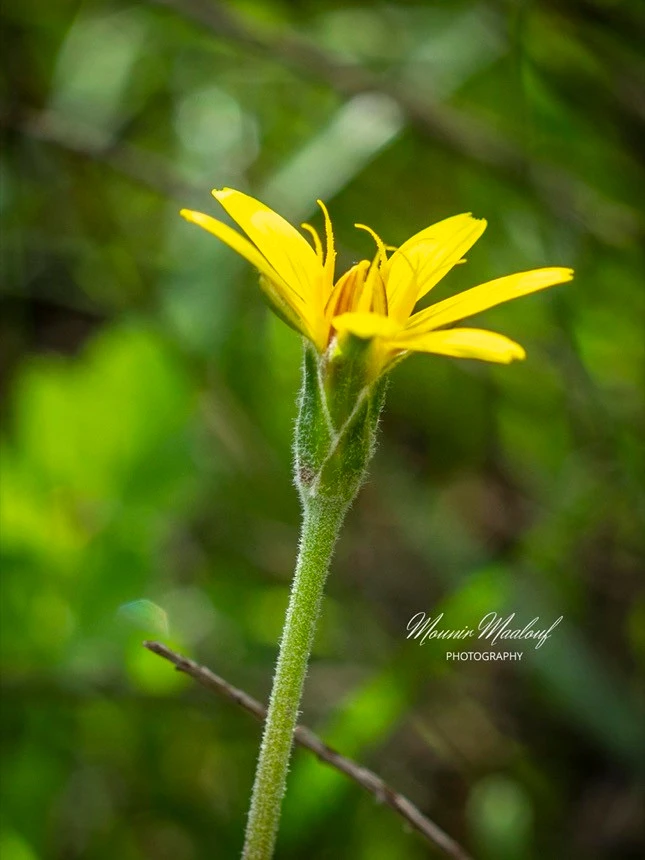
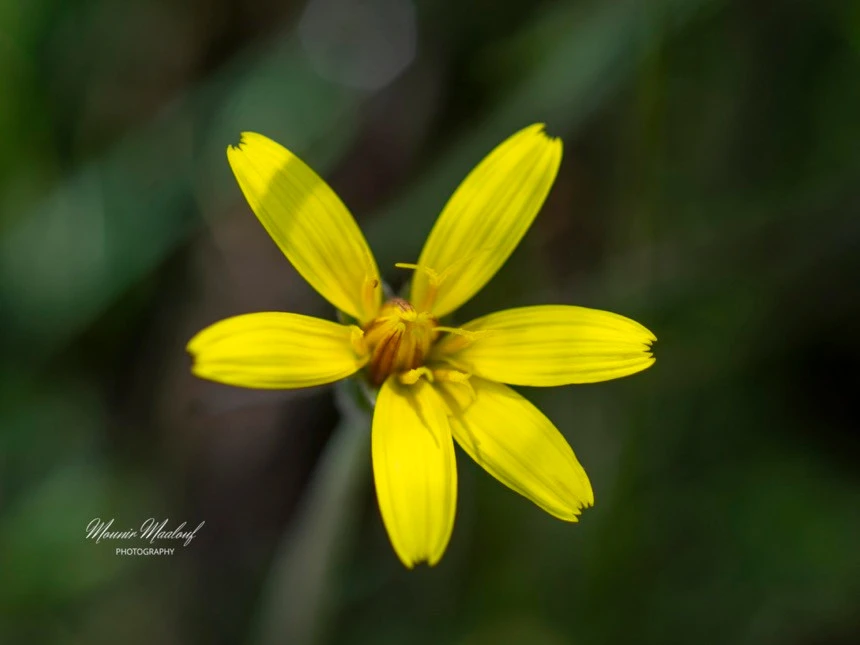
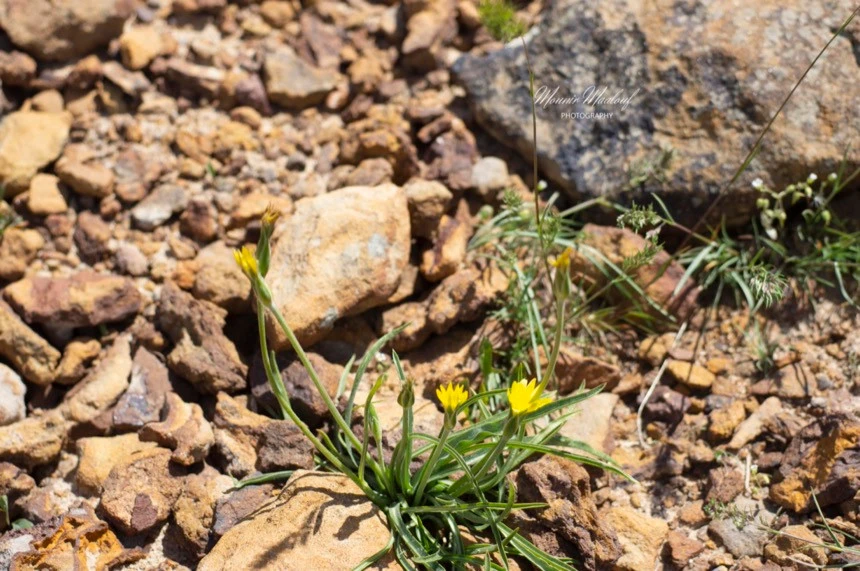
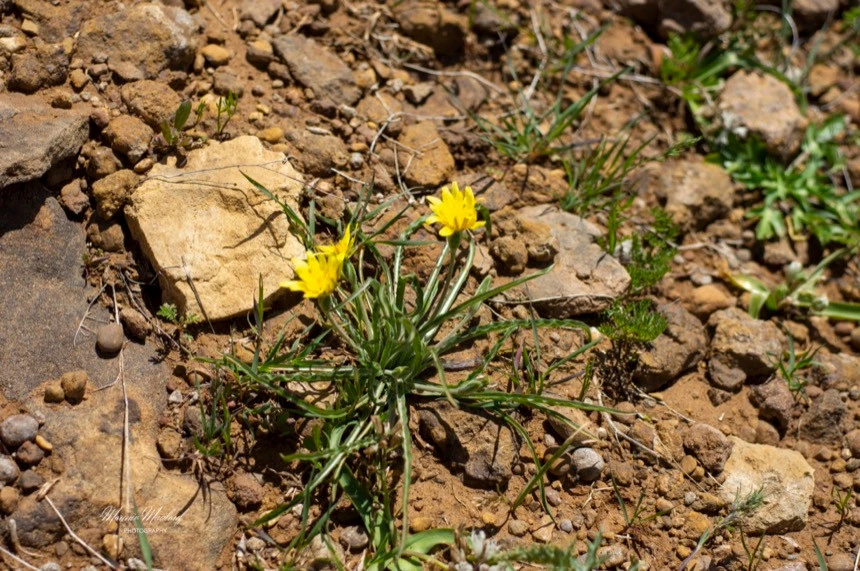
Morphology: In the narrower treatment of Flora of Iraq (2019), a perennial, usually nearly stemless or short-stemmed, 4–30 cm tall, with a tuberous rootstock and variable cobwebby wool. Leaves grass-like, mainly basal, about 4.5–20 cm long and 1.5–5 mm wide, tapering to slender tips, their margins entire to strongly crisped. Involucre cylindrical; outer bracts narrow-lanceolate and acute, about 7–11 mm long, inner ones 15–22 mm in flower and longer in fruit. Flowers yellow; outer ligules often bluish-marked beneath. Achenes glabrous, cylindrical and ribbed, 14–18(–20) mm long, the outer ones finely cross-wrinkled with small lamellae; inner ones smoother. Pappus pale, 17–25 mm long, feathered below and finely barbed above. These measurements describe the modern molle treatment, not Mouterde’s combined mollis–syriaca account.
الموائل والبيئة
Habitat and elevation: Mouterde lists fields, pastures and woodland for the combined treatment, without a numerical elevation range. These ecological records may include plants now assigned to P. semicanum.
مواسم النبات
- الإزهار
- Flowering: March–August in Mouterde’s combined Scorzonera mollis–S. syriaca treatment; this range has not been separately established there for modern P. molle.
الانتشار الموثق
Historical Lebanese localities: Under Mouterde’s combined treatment: Saida; Khaldé; the mouth of Nahr Damour; south of Ras Chekka; Jamaliyé to Iskanderouné above Saida; Jisr el-Kadi to Ain Traz; Deir el-Qamar; Qrayyé; Qoubbeh near Hammana; Abey; Bhamdoun; Bikfaya; the pass above Jezzine; Jabal Barouk; Sofar; Roueissat; Falougha; Jabal Kneissé; Jabal Sannine; Dahr el-Baidar; Zahlé pass; Tannourine cedars; Hadeth cedars; Jabal Niha; Ehden; Hasroun; Hadeth; Zahlé; Khan Mourad; Kaoukaba–Kfar Houné; Marjayoun to Kleyyé; Kafr Zabad; Baalbeck. These are historical records of the combined taxon, not individually verified records of P. molle in its current sense.
Historical Syrian localities: Under the same combined treatment: Ain Haramiyé; Kizil Dagh; Anti-Lebanon; Deir Atiyé; Bloudane; Jabal Maaloula; Ouadi el-Qarn; Dimas; Achrafiyé; Mayssaloun; Jabal Qasyoun; Jabal Kherbé; Souq Ouadi Barada; Jabal Dmeir; Chmaissé; Soueida–Salé; Kafer–Salkhad; Qaryatein to Ain el-Oual. Their assignment to modern P. molle or P. semicanum requires reassessment.
Recorded locations: Sannine; Kfertay.
Native range: Southeastern Europe to Sinai and Pakistan. POWO lists Albania, Bulgaria, Central European Russia, Greece, Iran, Iraq, Crimea, Lebanon-Syria, North Caucasus, the northwestern Balkan Peninsula, Pakistan, Palestine, Romania, Sinai, South European Russia, Türkiye, European Türkiye and Ukraine.
الفصيلة والتصنيف
- الاسم العلمي المقبول
- Pseudopodospermum molle
- الفصيلة
- نجمية