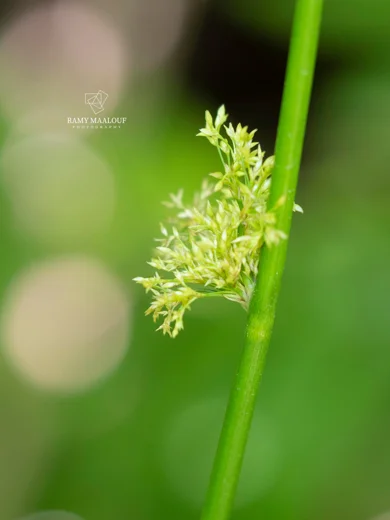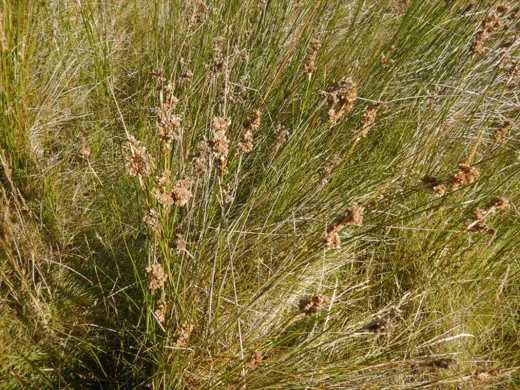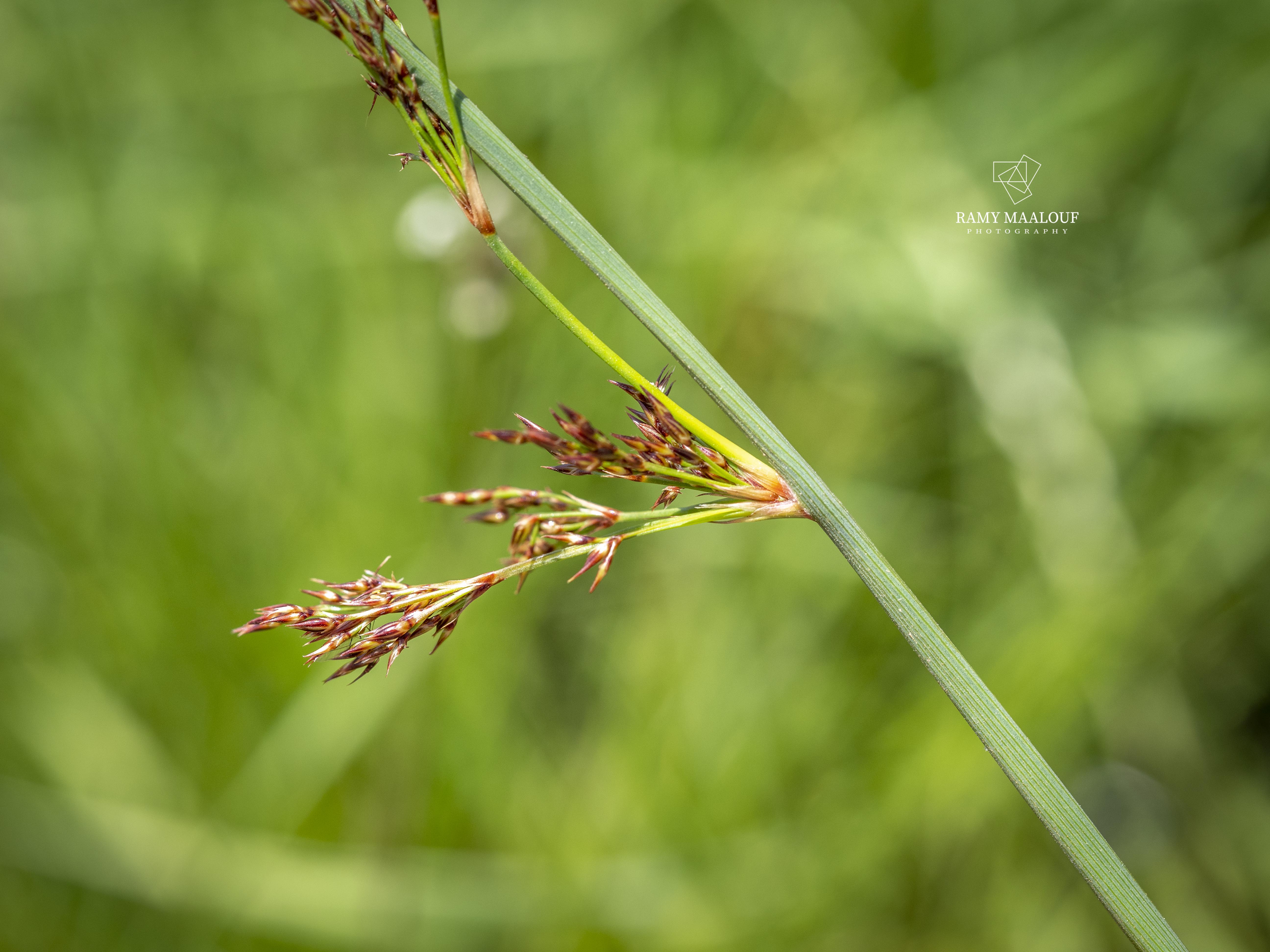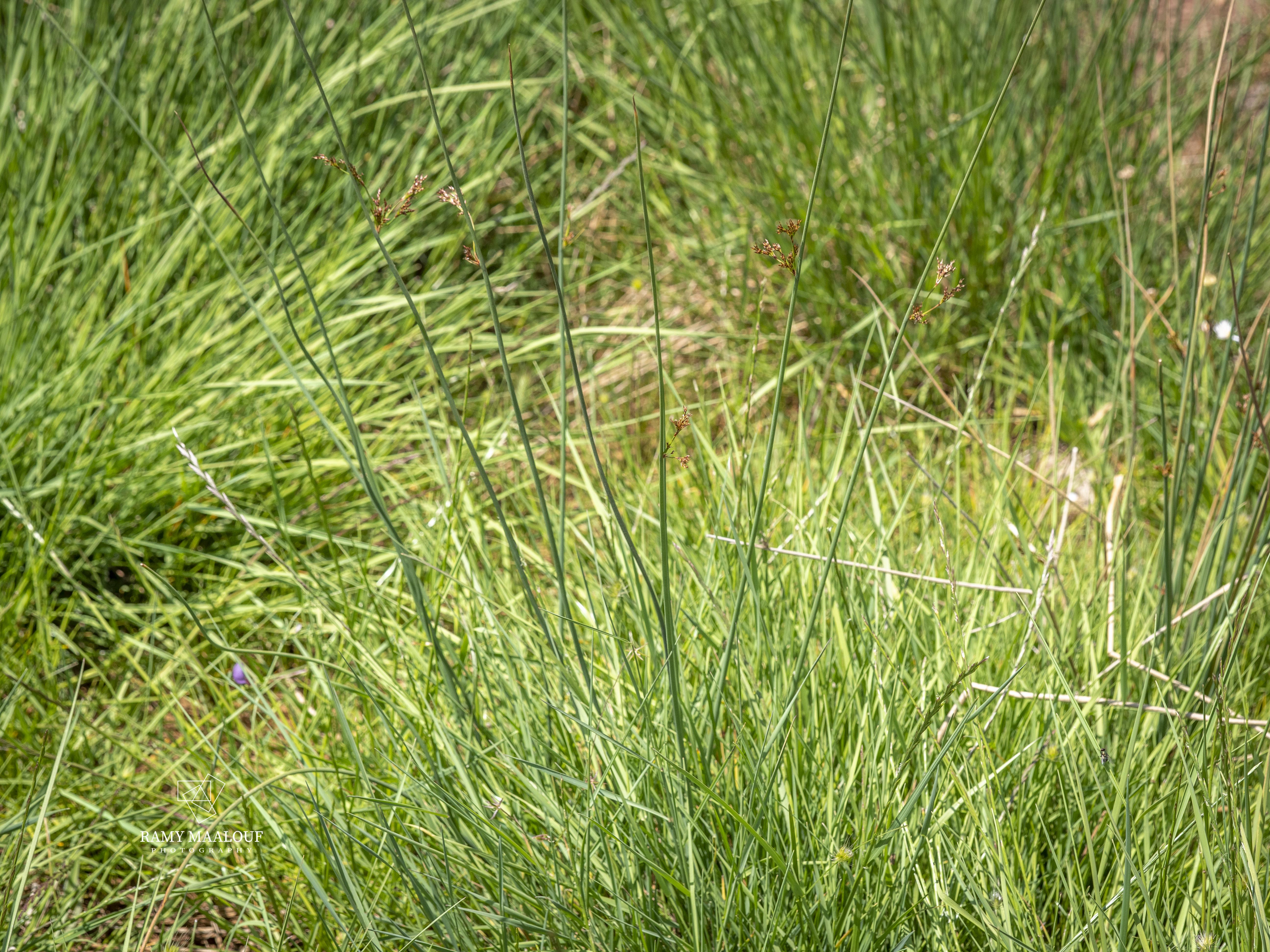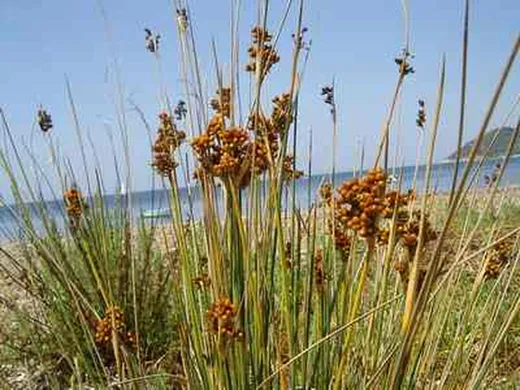
السمار
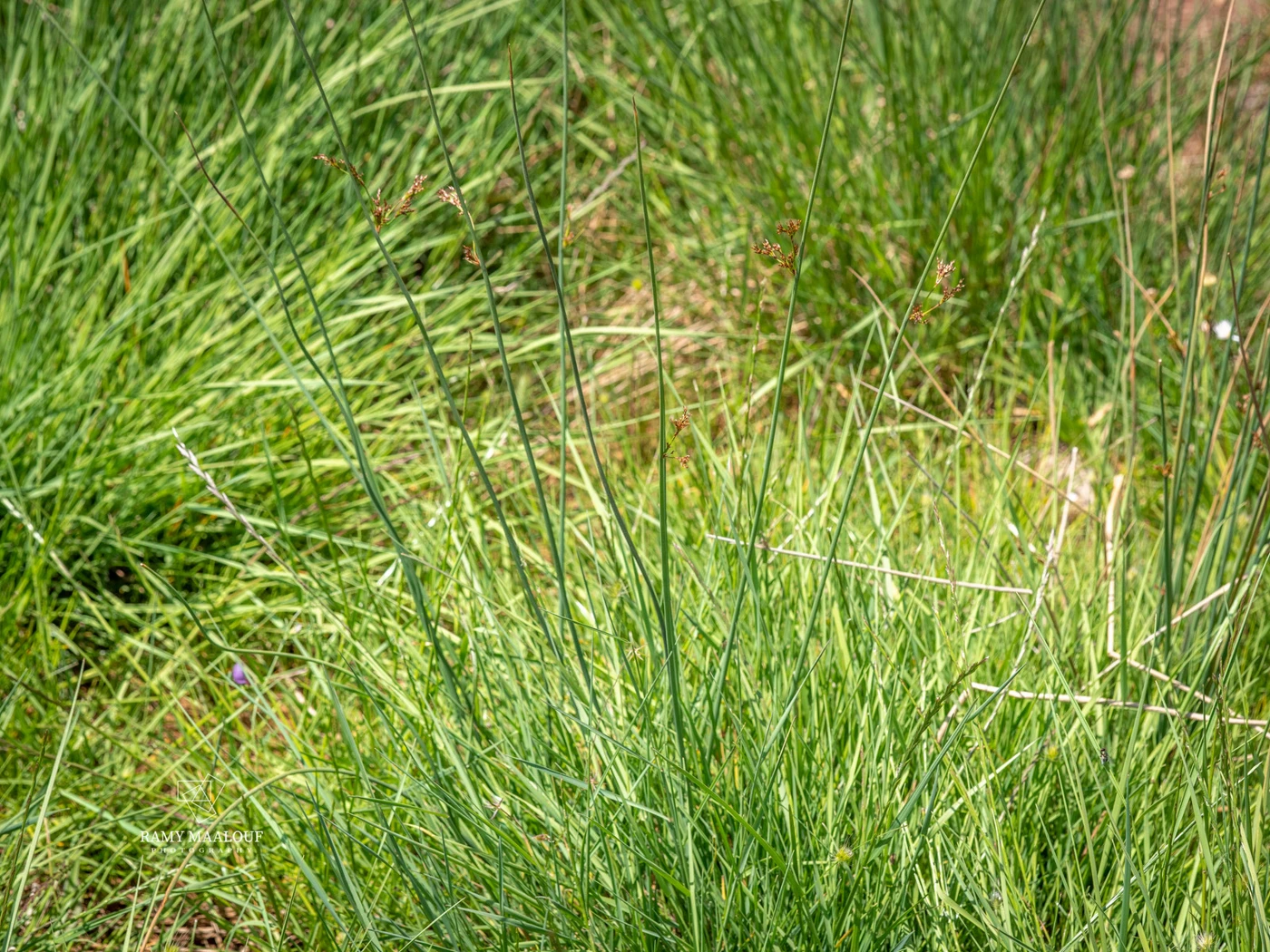
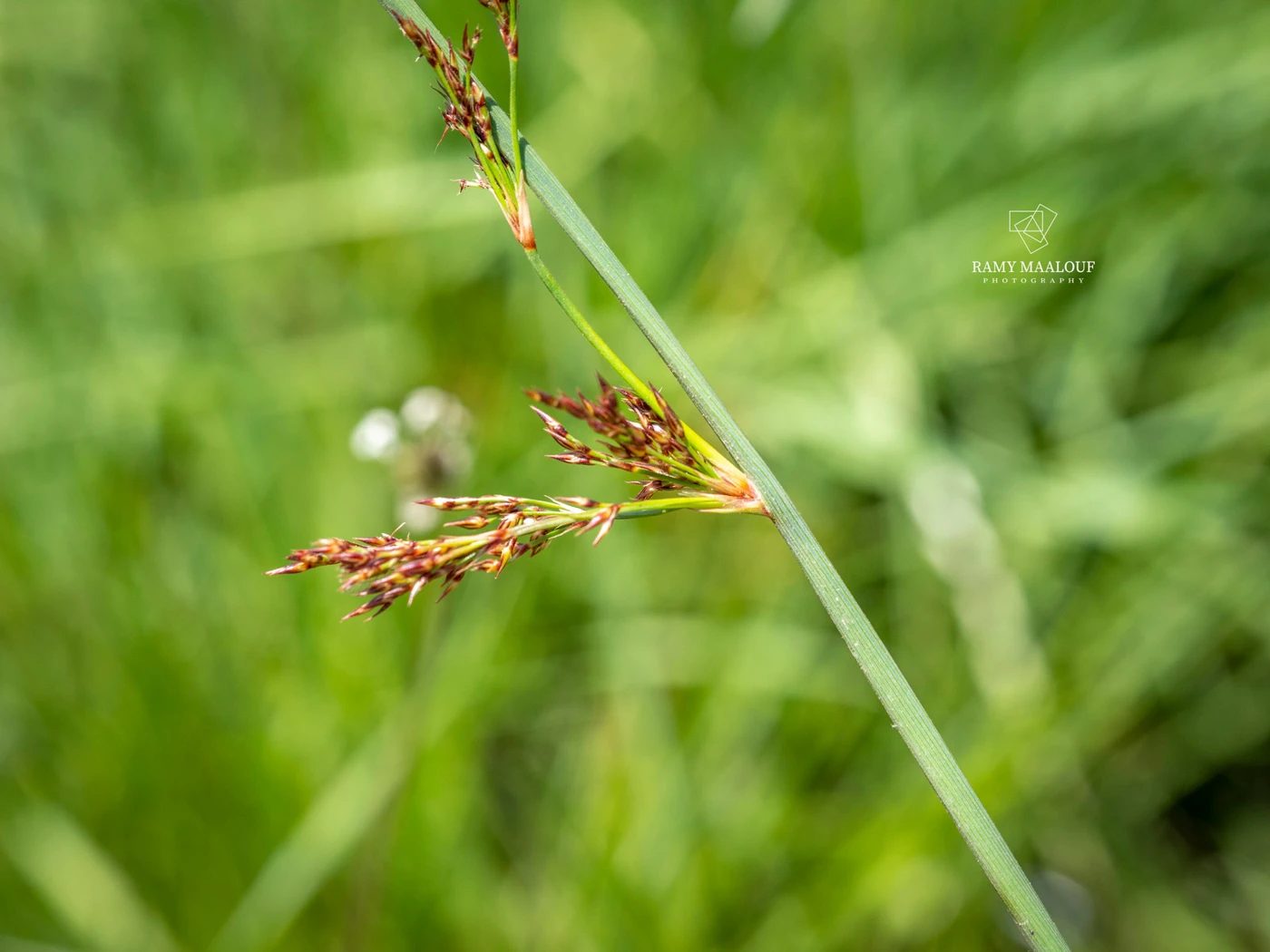
Juncus acutus
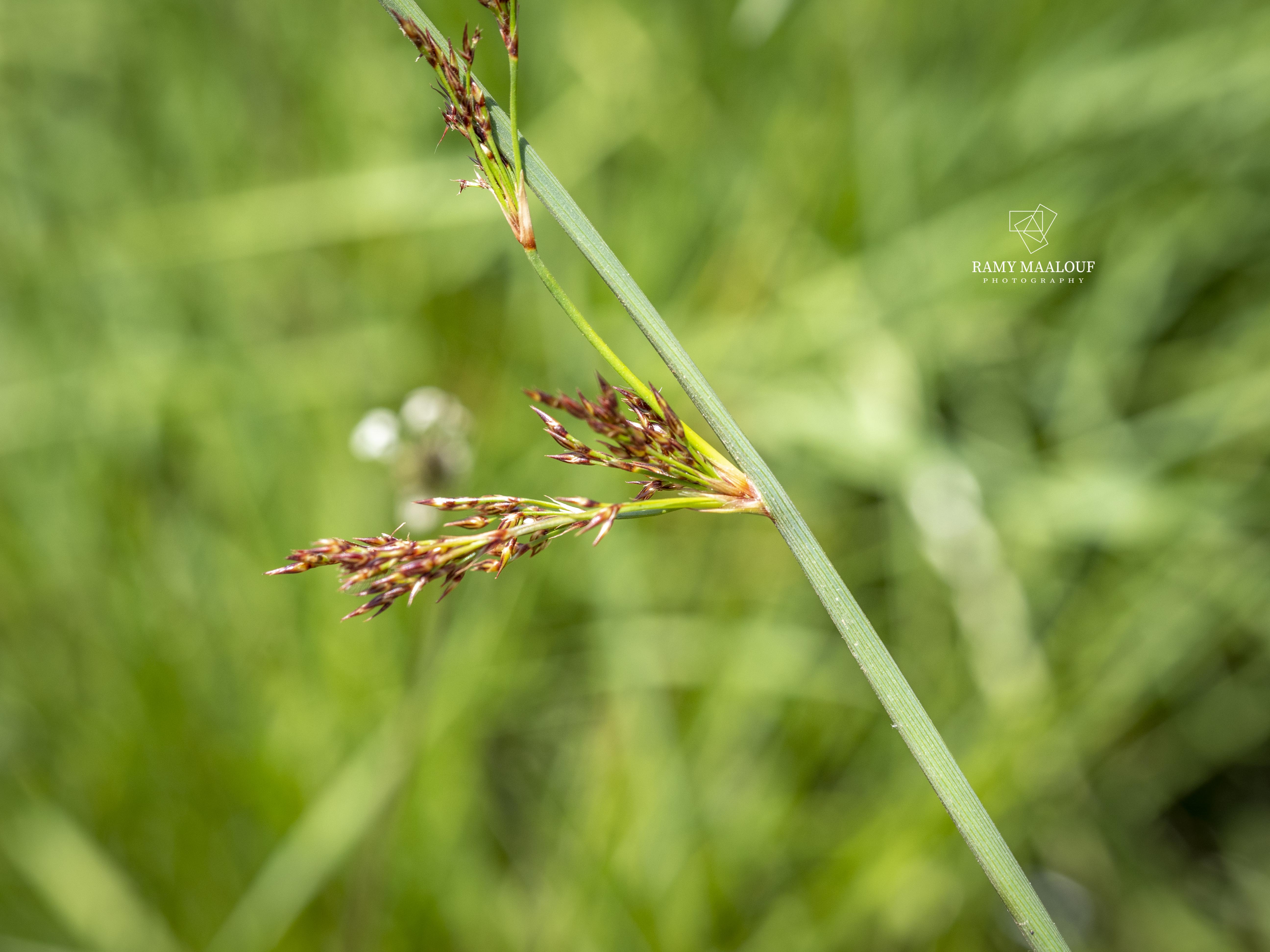
الأسَل المنحني
Juncus inflexus
الفصيلة أَسَلِيَّةُ · Juncaceae
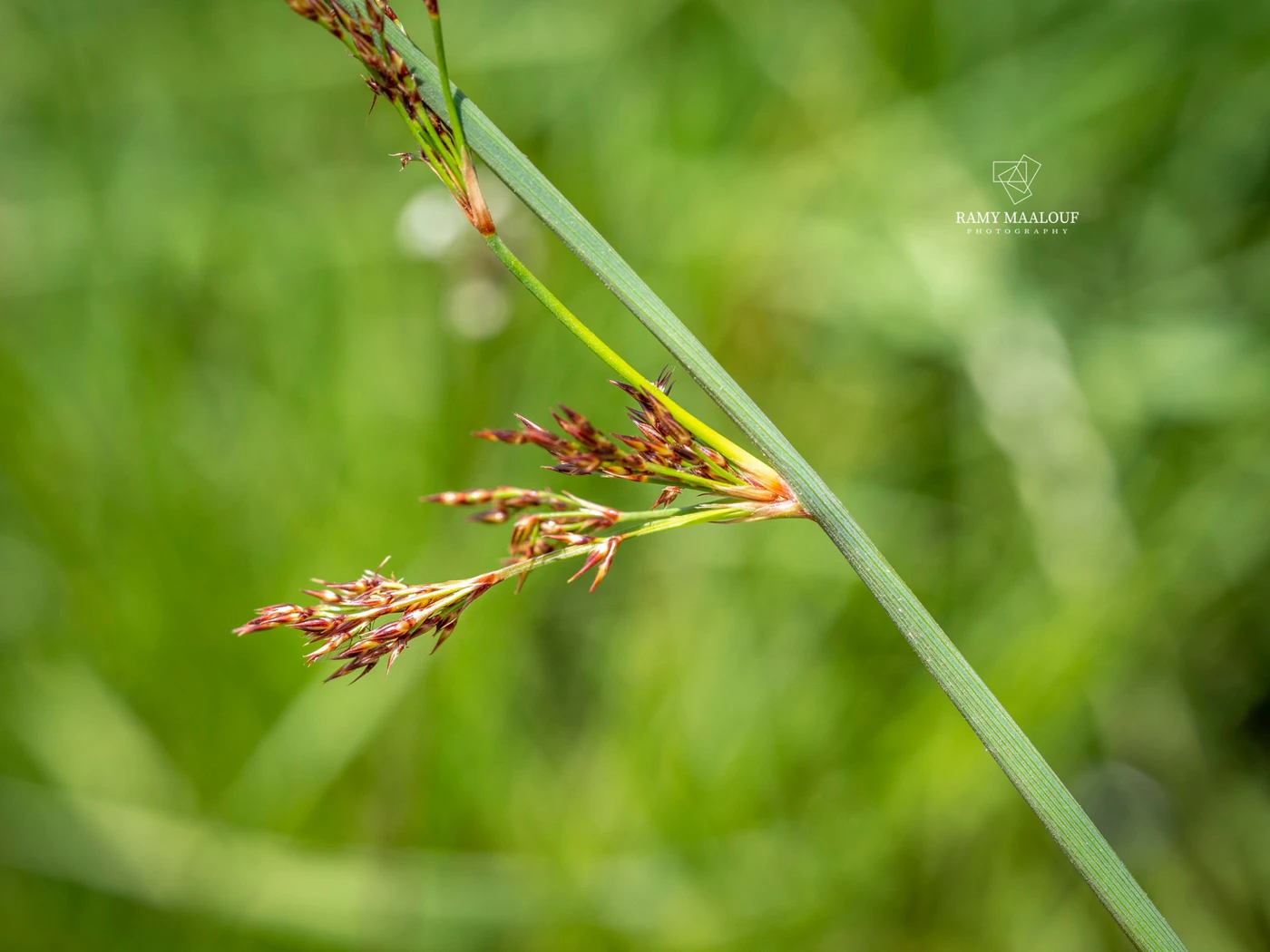
© Ramy Maalouf 2020 - 2026
© Ramy Maalouf 2020 - 2026
© Ramy Maalouf 2020 - 2026
Habitat & elevation: Moist or wet soils along streams, ditches, and marshy meadows, typically on calcareous or clayey substrates , from lowlands up to c. 2 000 m. Tolerant of temporary flooding and moderate salinity.
Lebanese distribution: Common in humid montane valleys and marshy slopes of Mount Lebanon and the Beqaa Valley — especially around Barouk , Dahr el-Baïdar , Ain Zhalta , and Nahr es-Safa ; often co-occurring with Juncus effusus but preferring firmer, less waterlogged soils .
Native to: Afghanistan, Albania, Algeria, Assam, Austria, Baleares, Baltic States, Belarus, Belgium, Bulgaria, Canary Is., Cape Provinces, Central European Russia, China North-Central, China South-Central, China Southeast, Corse, Cyprus, Czechia-Slovakia, Denmark, DR Congo, East Aegean Is., East European Russia, East Himalaya, France, Free State, Germany, Great Britain, Greece, Hungary, India, Iran, Iraq, Ireland, Italy, Kazakhstan, Kirgizstan, Kriti, Krym, Lebanon-Syria, Lesotho, Madagascar, Madeira, Mongolia, Morocco, Netherlands, North Caucasus, Northwest European Russia, NW. Balkan Pen., Pakistan, Palestine, Poland, Portugal, Romania, Sardegna, Saudi Arabia, Sicilia, Sinai, South European Russia, Spain, Sweden, Switzerland, Tadzhikistan, Tibet, Transcaucasus, Tunisia, Turkmenistan, Türkiye, Türkiye-in-Europe, Ukraine, Uzbekistan, West Himalaya, Xinjiang, Yemen (POWO).
Introduced into: Amsterdam-St.Paul Is., Finland, Jawa, Michigan, New York, New Zealand North, New Zealand South, Ontario, Pennsylvania, Québec, Sri Lanka, Uruguay, Victoria, Vietnam, Virginia (POWO).