بحث

Viola sieheana

الفصيلة بنفسجية · Violaceae

الوصف النباتي

الأوراق
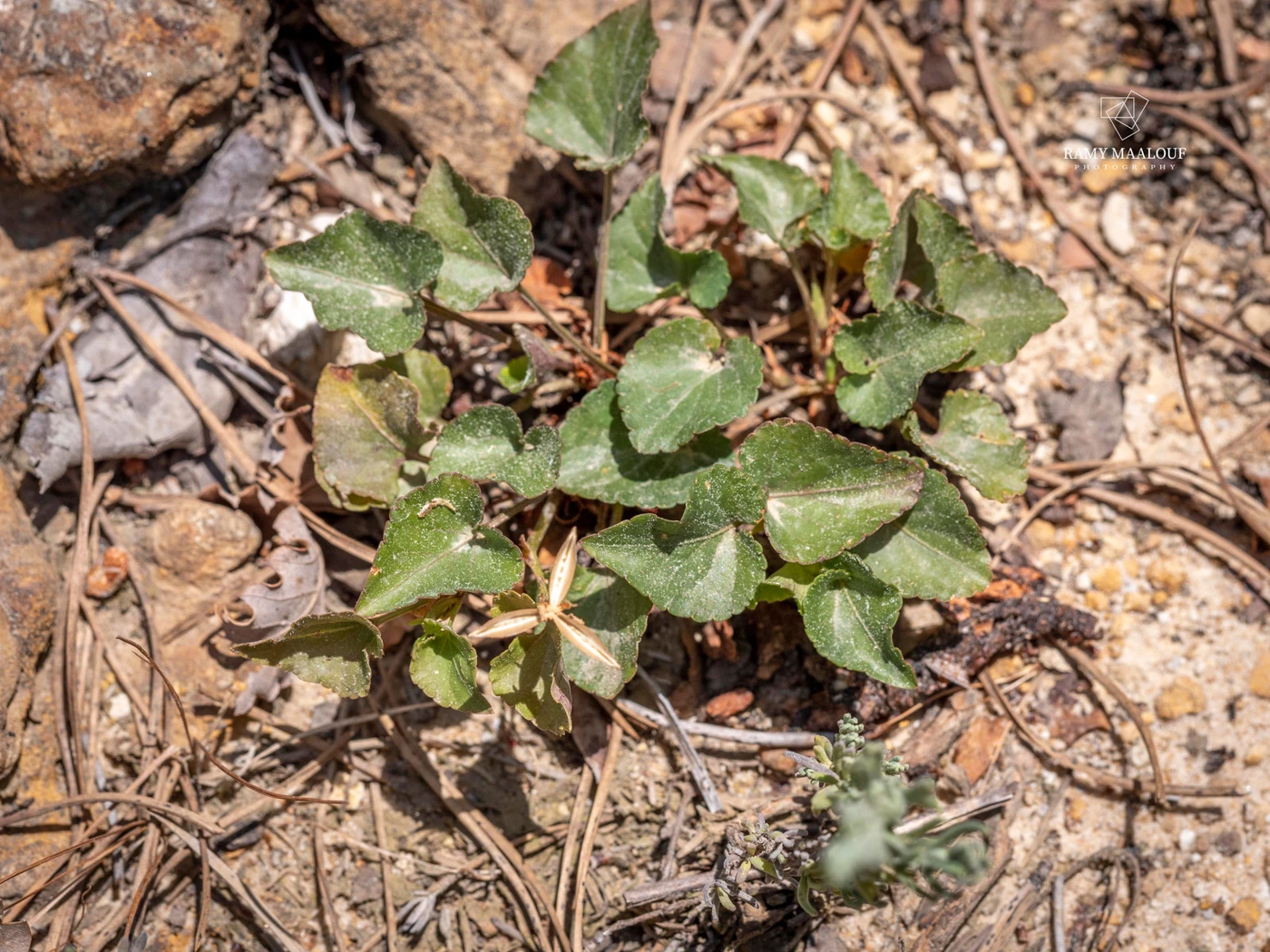
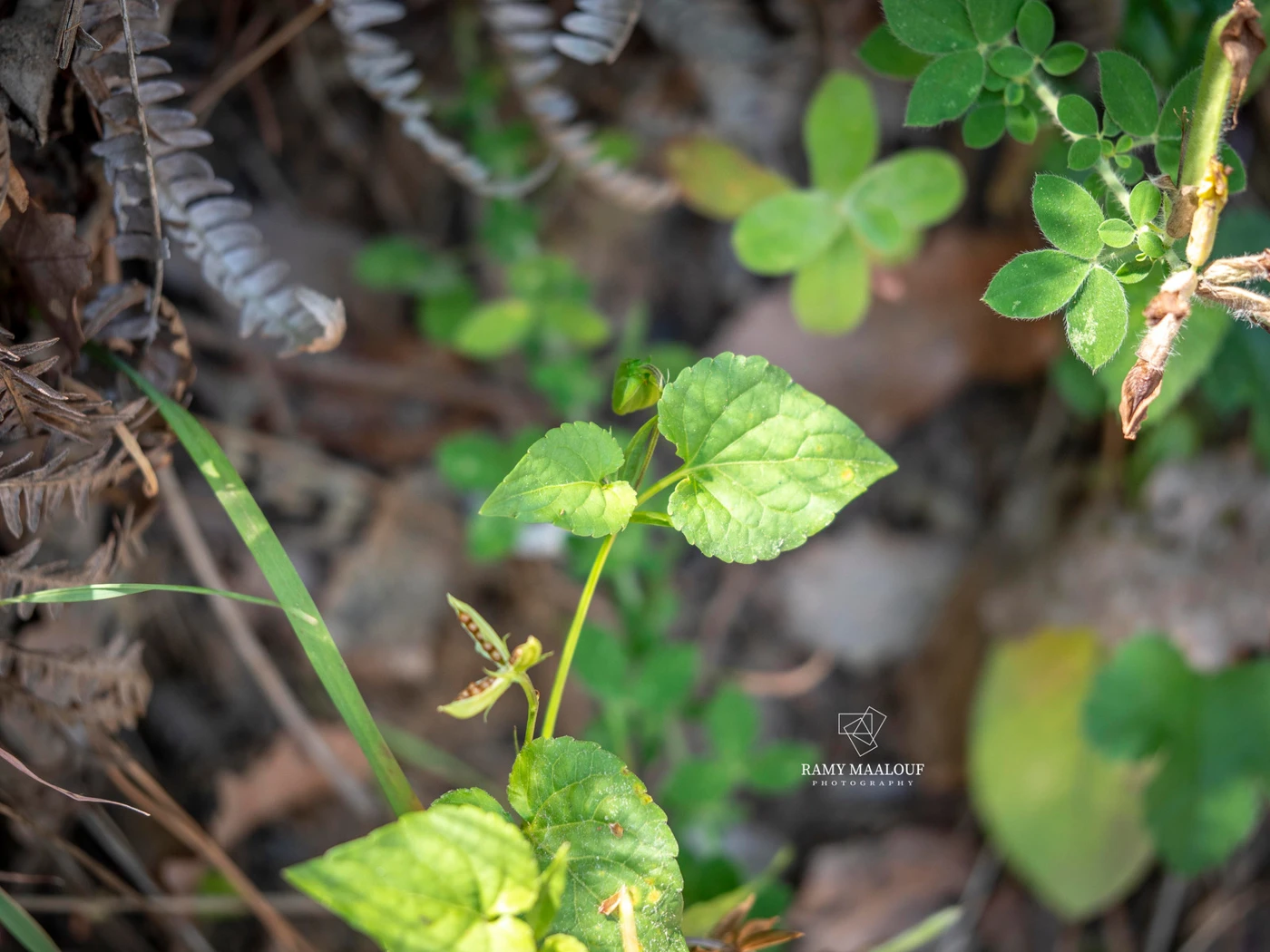
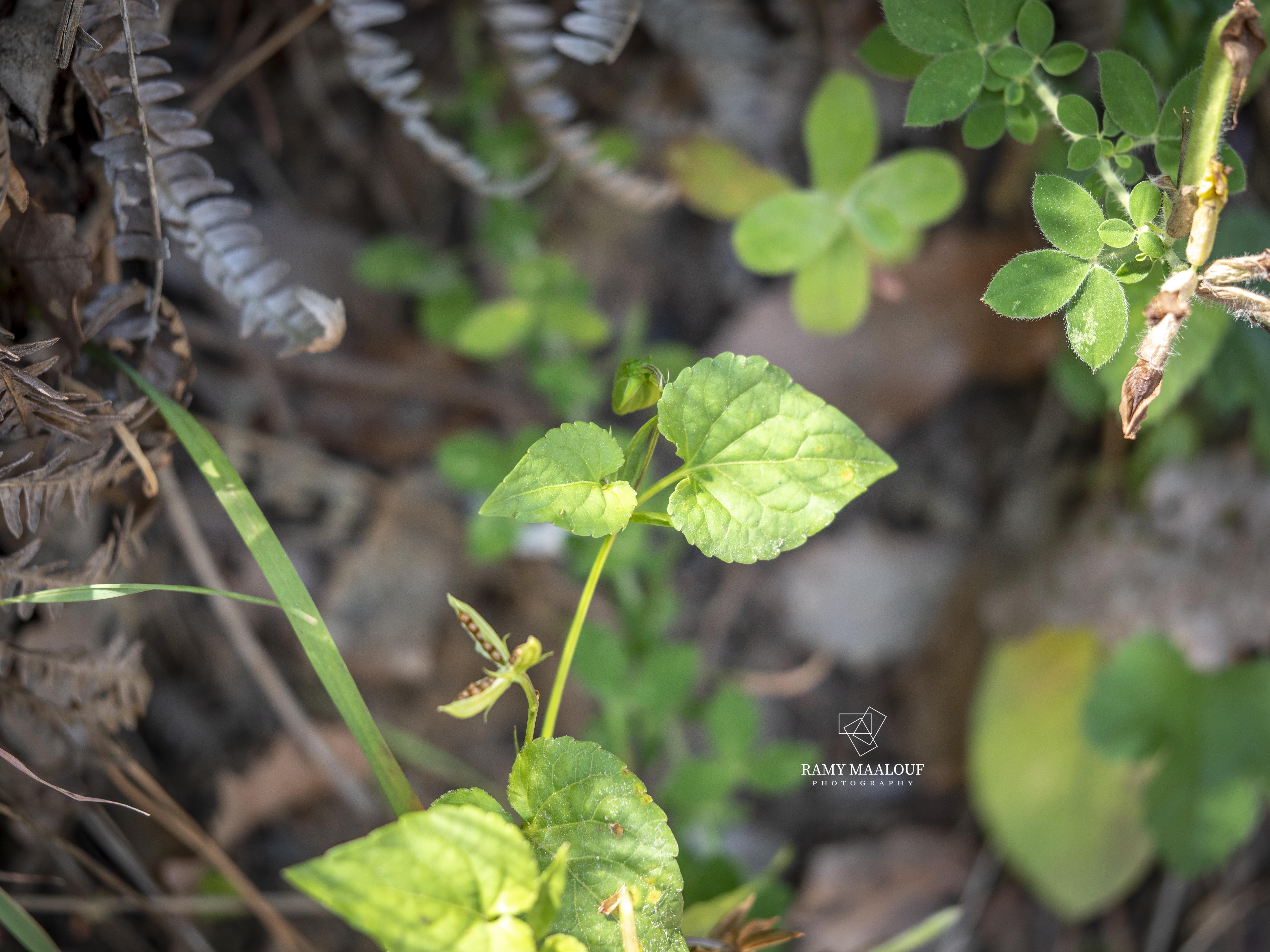
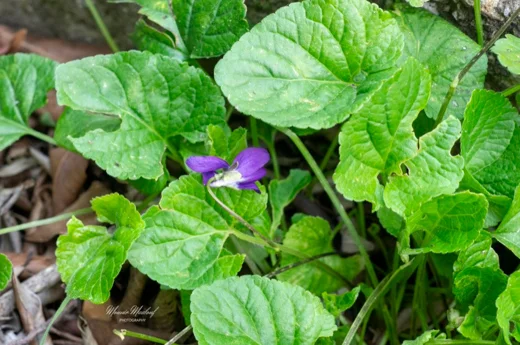
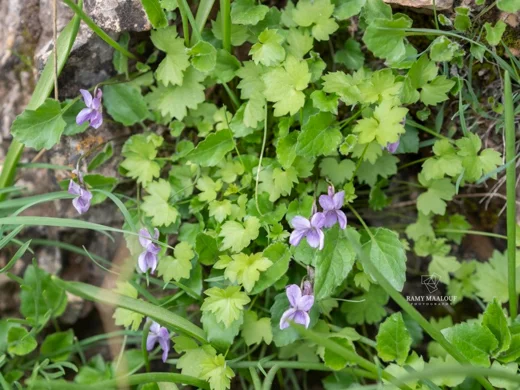
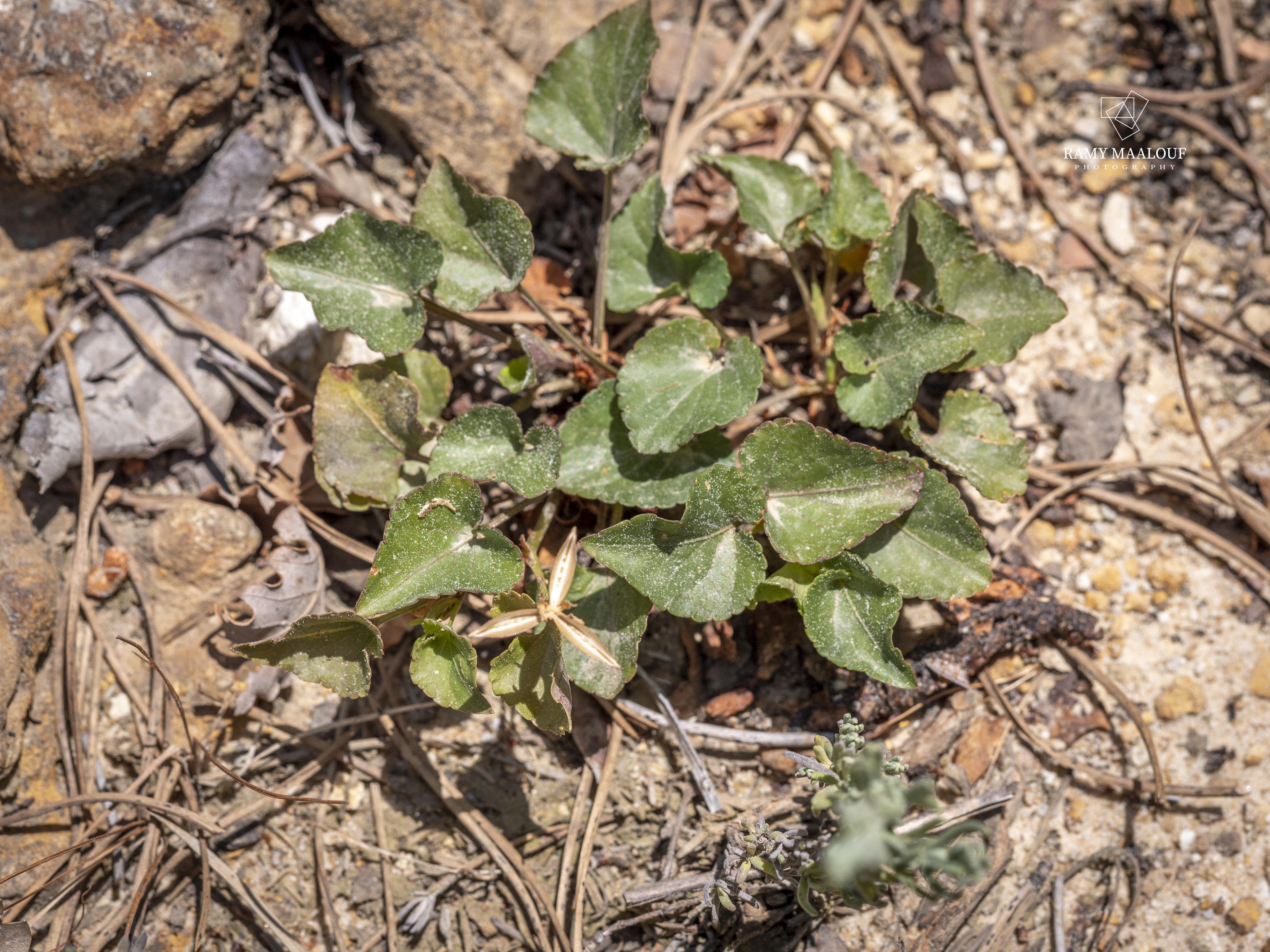
Leaves: Basal leaves ovate to cordate, 10–25 × 6–15 mm, crenate-serrate, glabrous or with fine hairs along veins beneath; petioles slender, 1–3 cm long. Stipules linear-lanceolate, fimbriate. Cauline leaves smaller, alternate, and shortly petiolate.
الأزهار
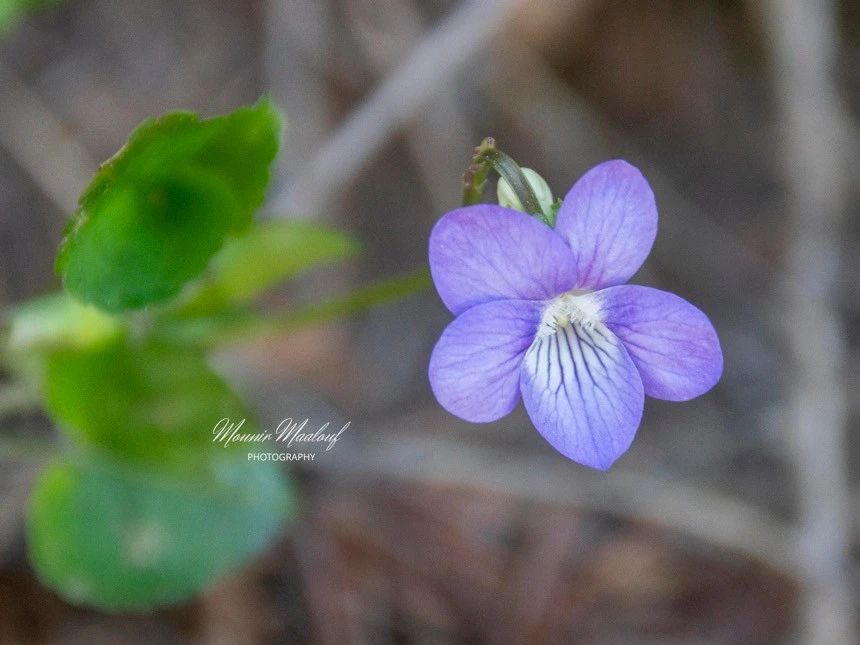
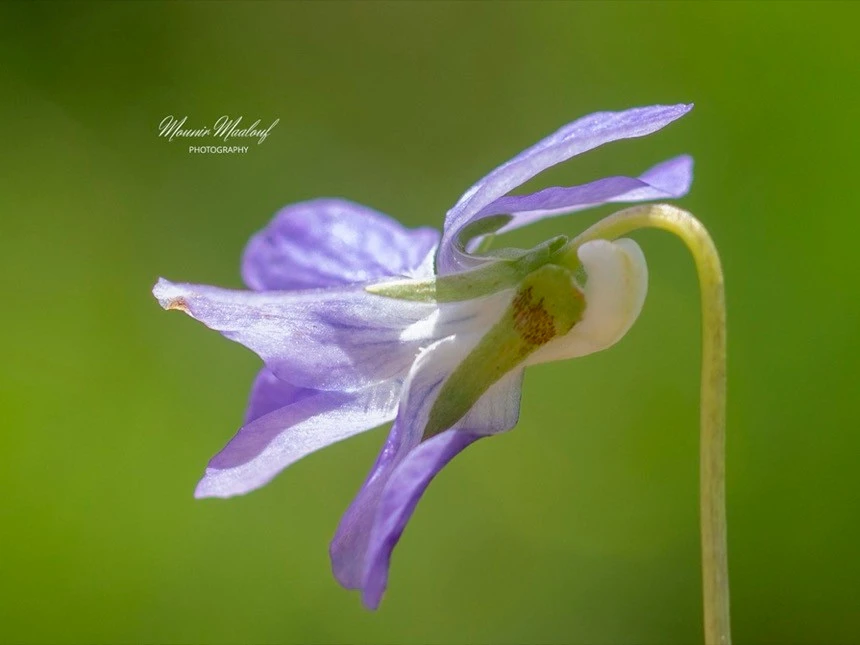
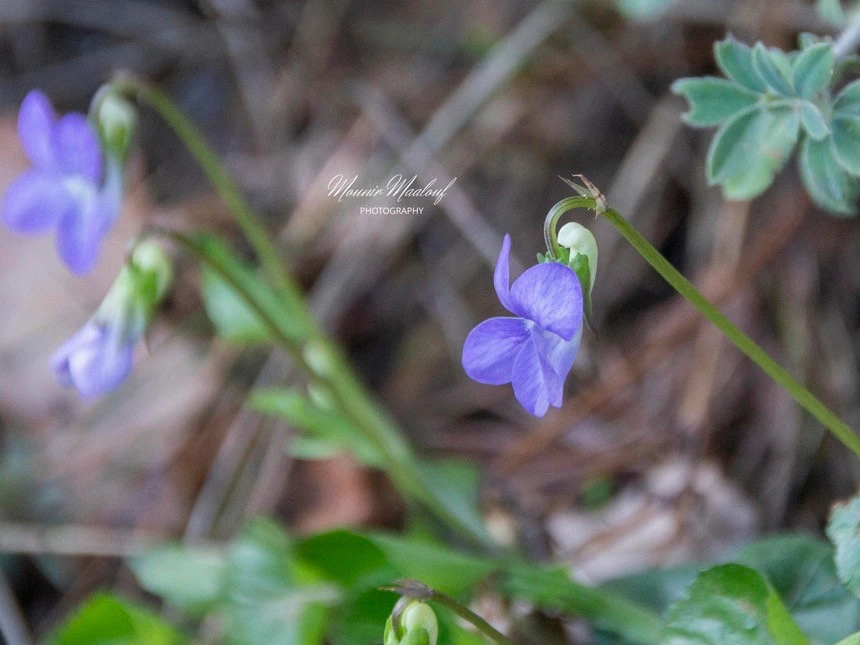
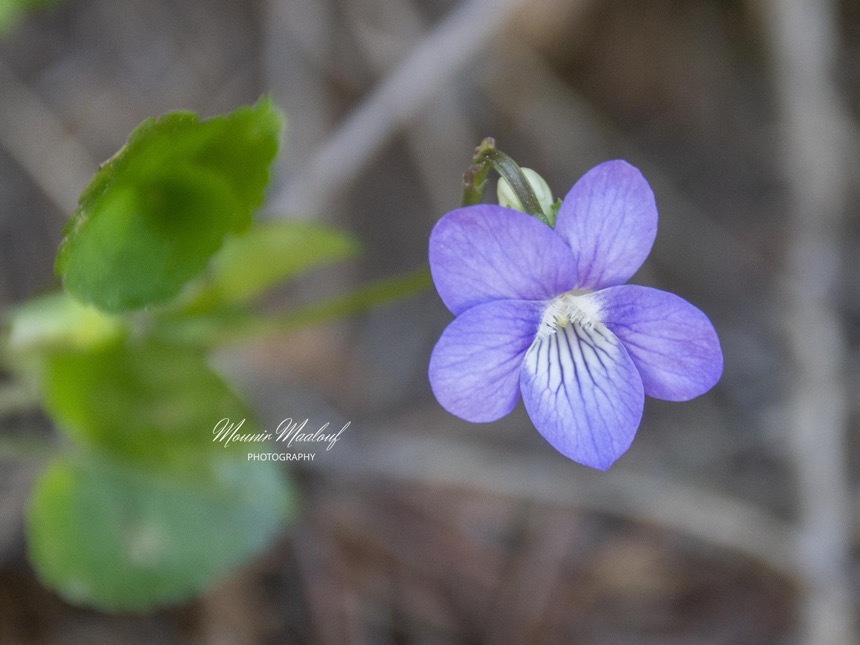
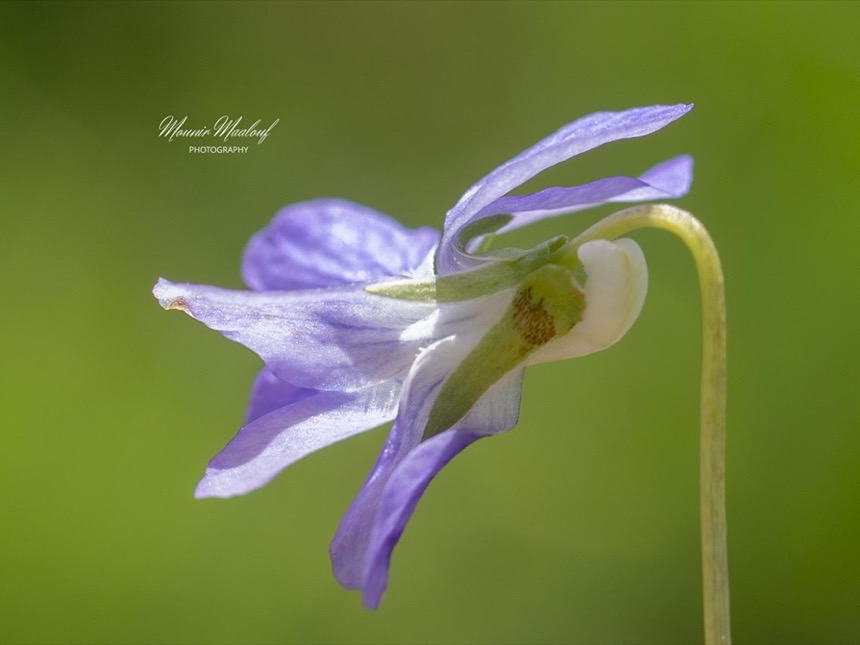
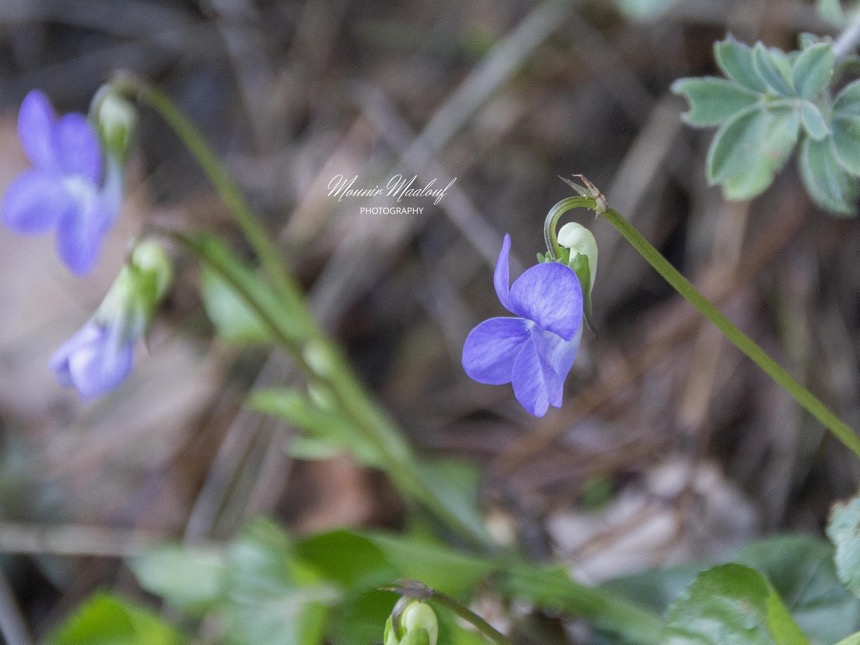
Inflorescence & flowers: Solitary, axillary, on slender peduncles usually exceeding the leaves. Corolla 10–15 mm across, violet to lilac, sometimes bluish; lateral petals bearded within; spur conical to slightly curved, 3–4 mm long, whitish or pale violet. Sepals lanceolate, with narrow appendages. Style thickened above, stigma terminal, with a small beak.
الثمار والبذور
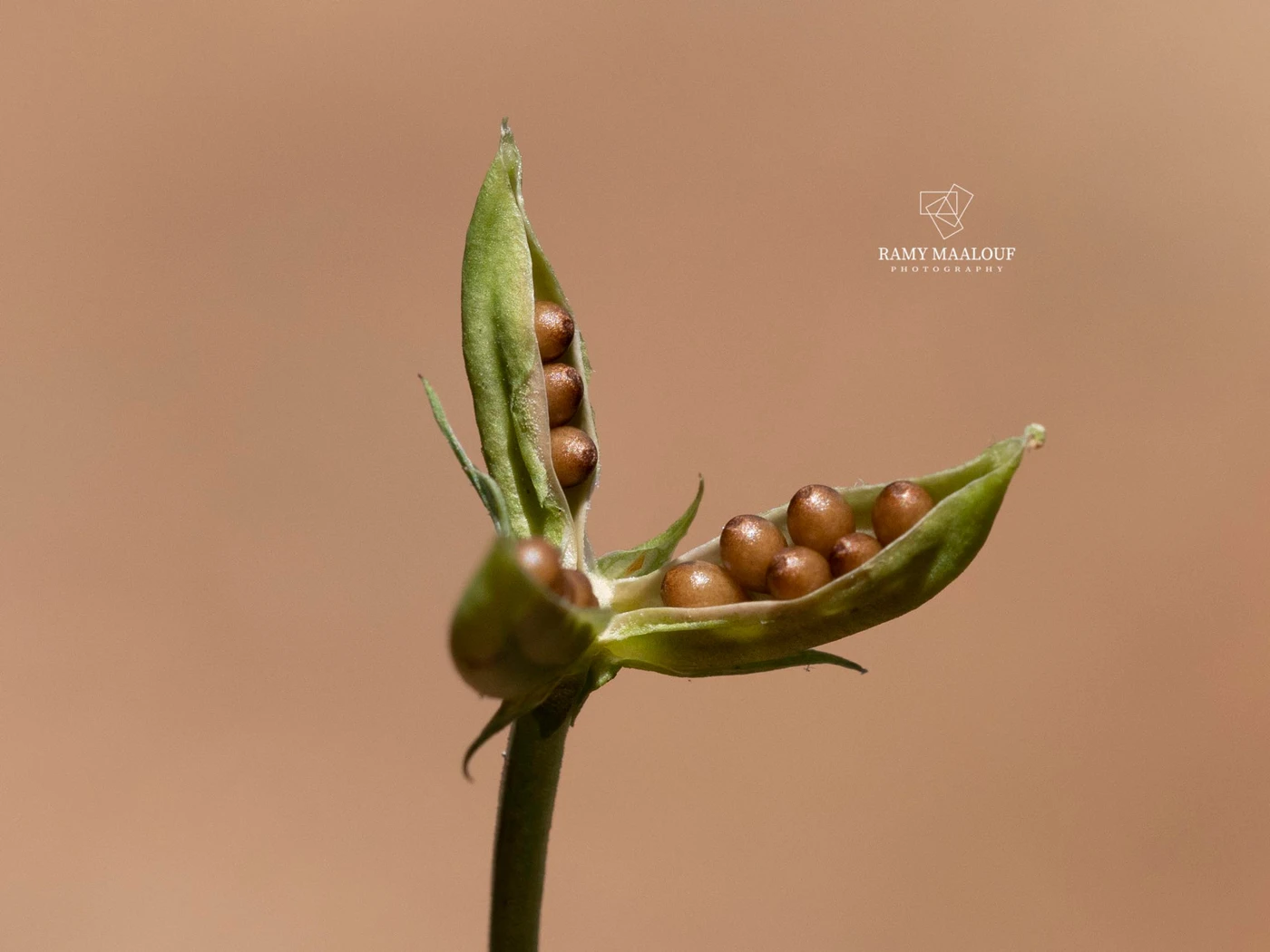
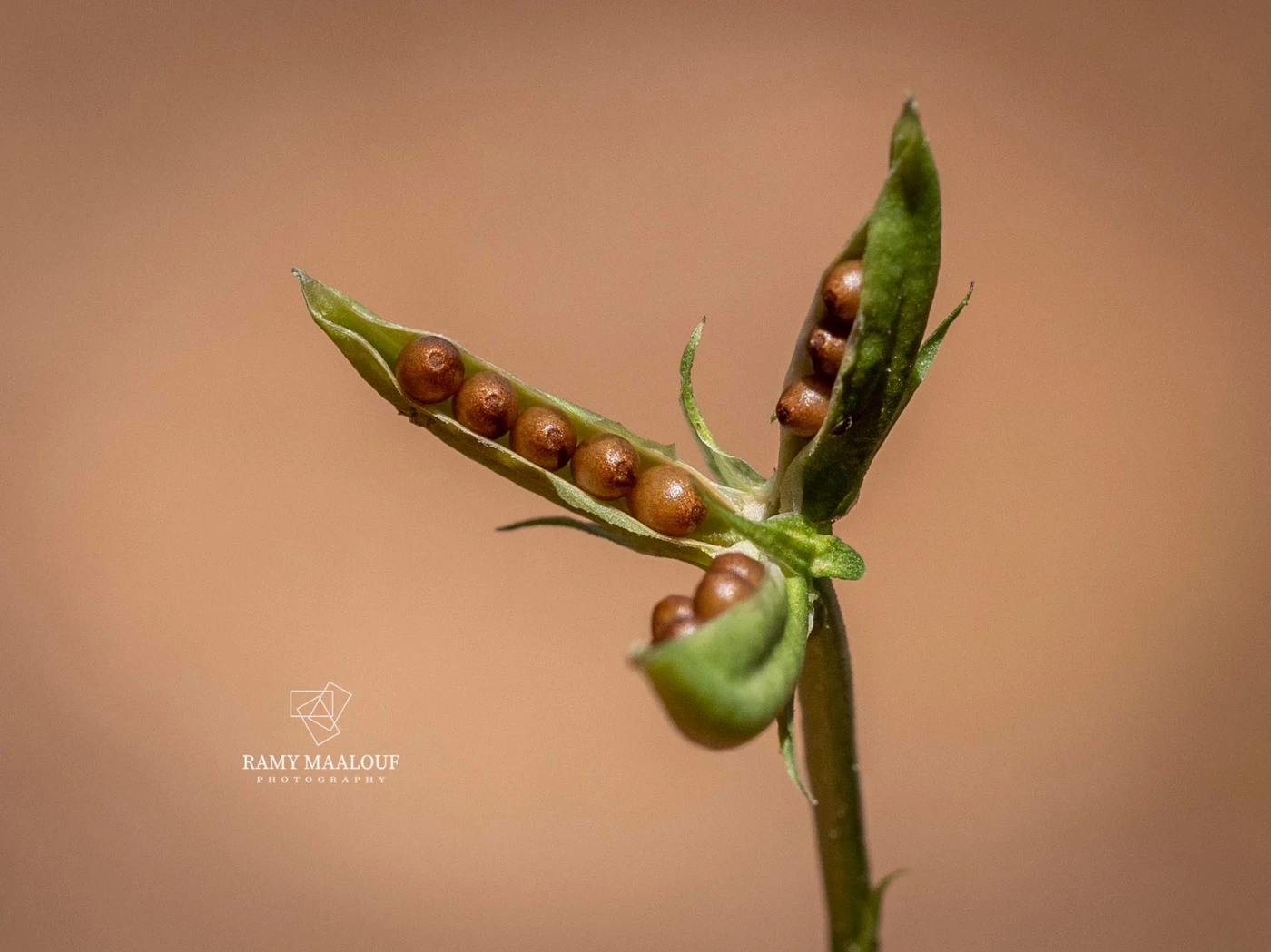
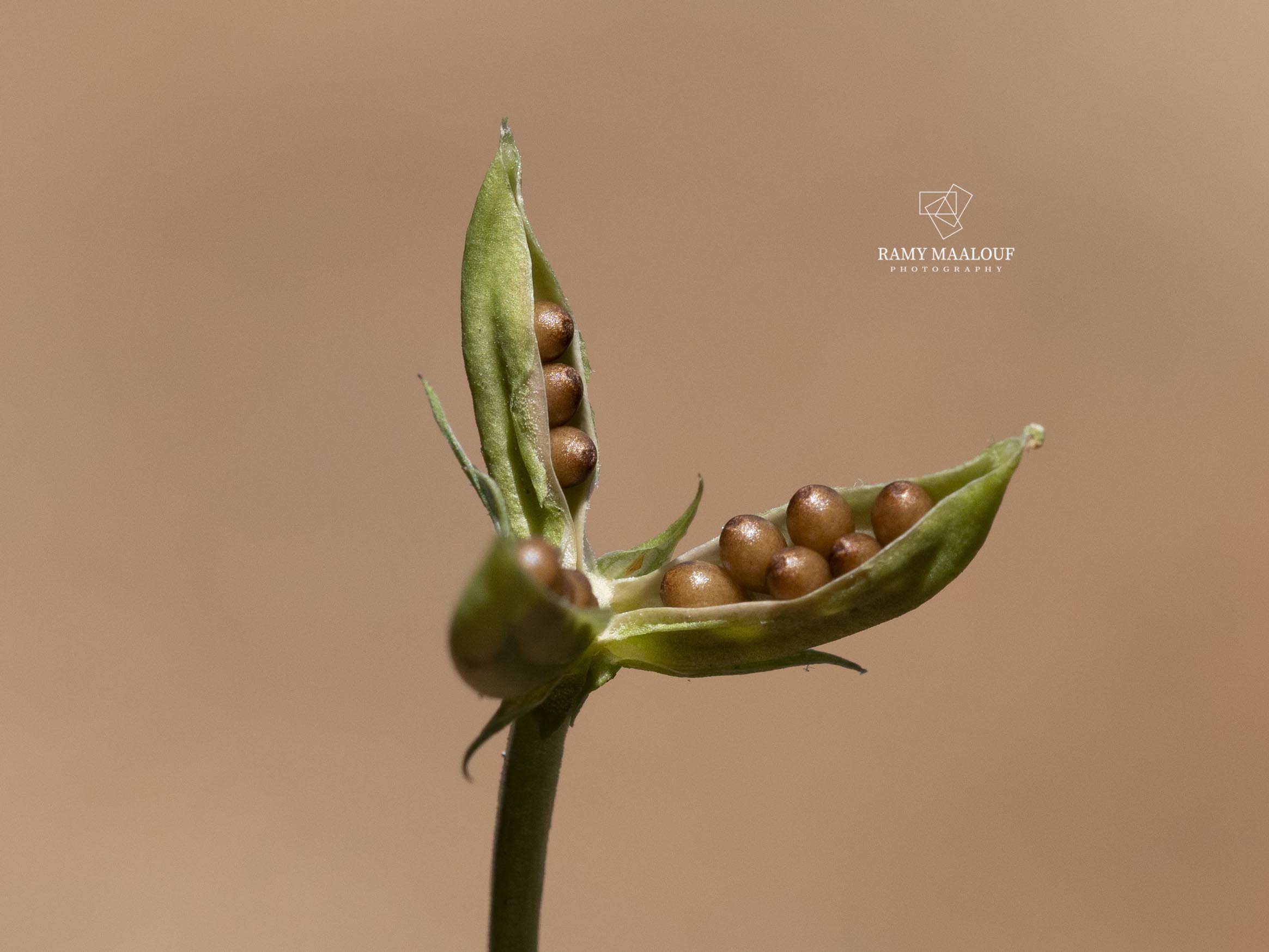
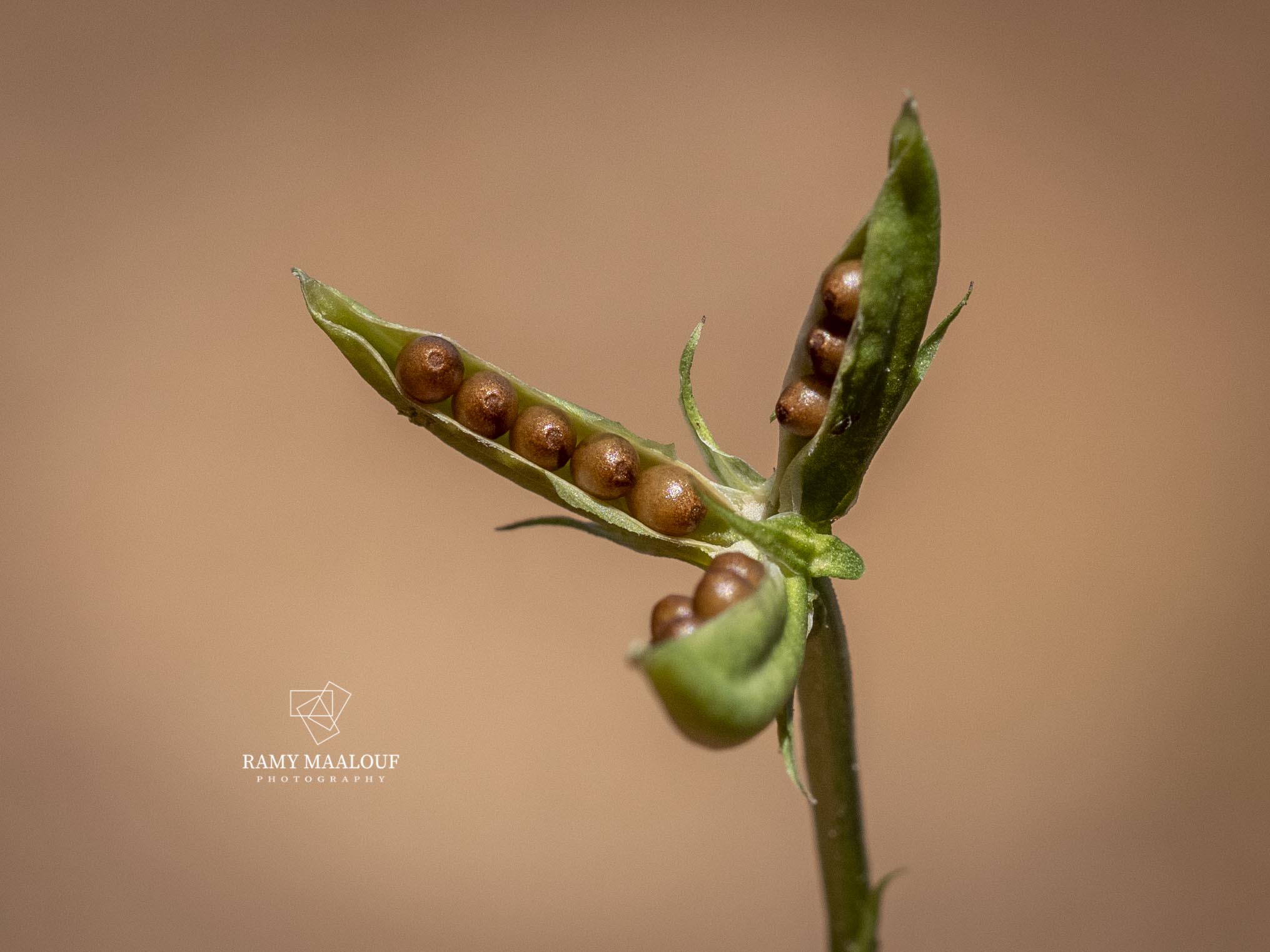
Fruit: Capsule ovoid, 4–6 mm, glabrous, dehiscing elastically into three valves; seeds small, smooth, light brown, with an elaiosome.

الموائل والبيئة

Habitat & elevation: Rocky slopes, mountain meadows, and open woodland edges on limestone or dolomite, 600–2 000 m; prefers cool, semi-shaded exposures.

التربة والركيزة

مواسم النبات

الفنلوجية
Phenology: Flowers from March to May; fruits mature soon after flowering.

الانتشار الموثق

Lebanese distribution: Recorded by Mouterde from Mount Lebanon and the Anti-Lebanon — notably Dahr el-Baïdar, Barouk, and the Sannine and Ras Baalbeck slopes; common in montane grasslands and cedar forest clearings.

Native range: Bulgaria, Cyprus, East Aegean Is., Greece, Krym, Lebanon, Syria, Romania, Türkiye, Türkiye-in-Europe (POWO).
الارتفاع الموثق

الارتفاع
000 m

لمحة نباتية

بنية النبات
Life-form & habit: Perennial herb 5–15 cm tall, forming small tufts from a short rhizome. Stems slender, ascending or decumbent at the base, often rooting at the nodes. Plant glabrous or sparsely pubescent, with delicate morphology typical of mountain violets.
دورة الحياة
معمرة

الفصيلة والتصنيف

الاسم العلمي المقبول
Viola sieheana
الفصيلة
بنفسجية

نباتات من الفصيلة نفسها

المظهر
خط النص
حجم النص
صغير100%كبير
معاينة مباشرة

وقد كان في الهجران لو كنتَ ناسِيًا
رَمِيمَ، وَهَلْ يُنْسَى رَبِيعٌ وَصَيِّفُ

Salvia lanigera Poir.