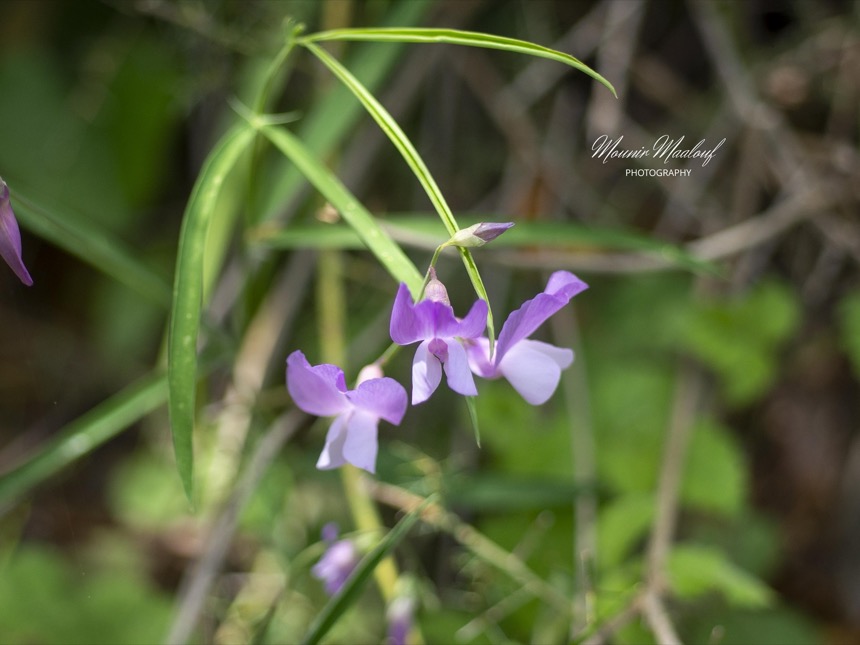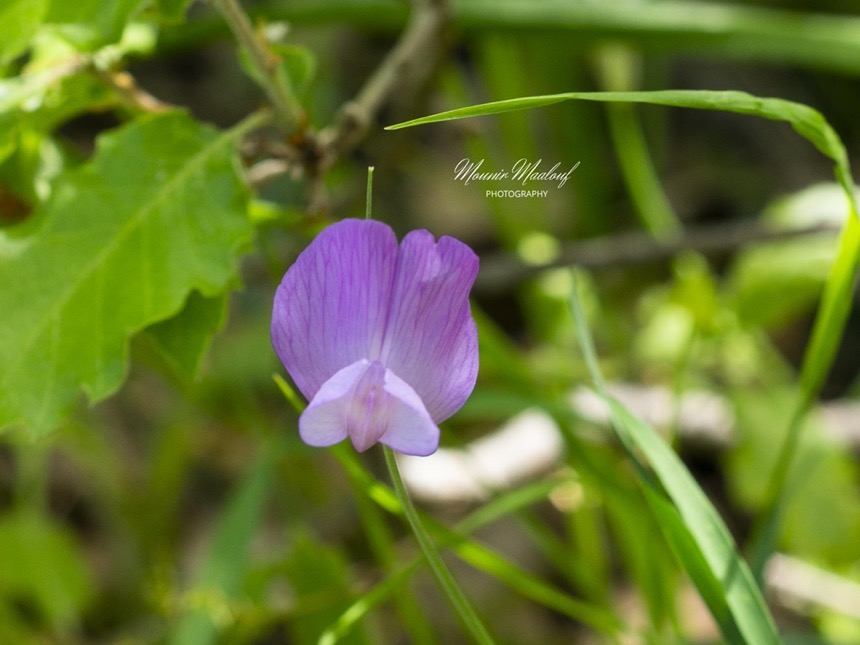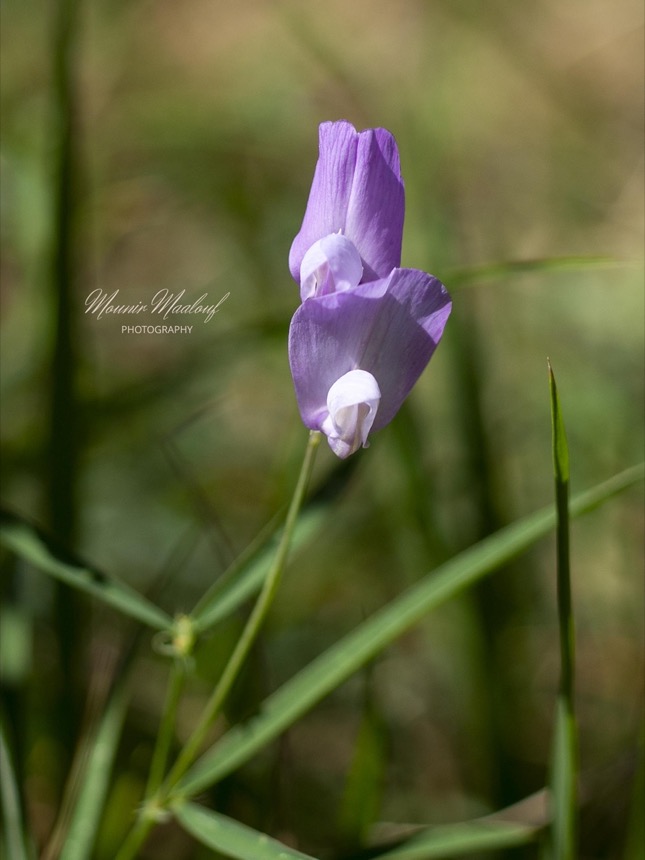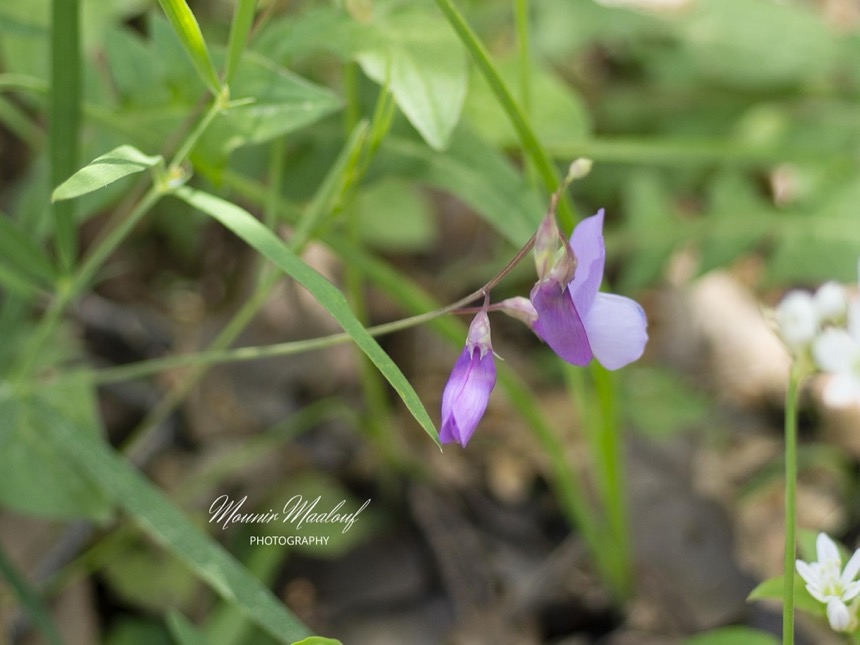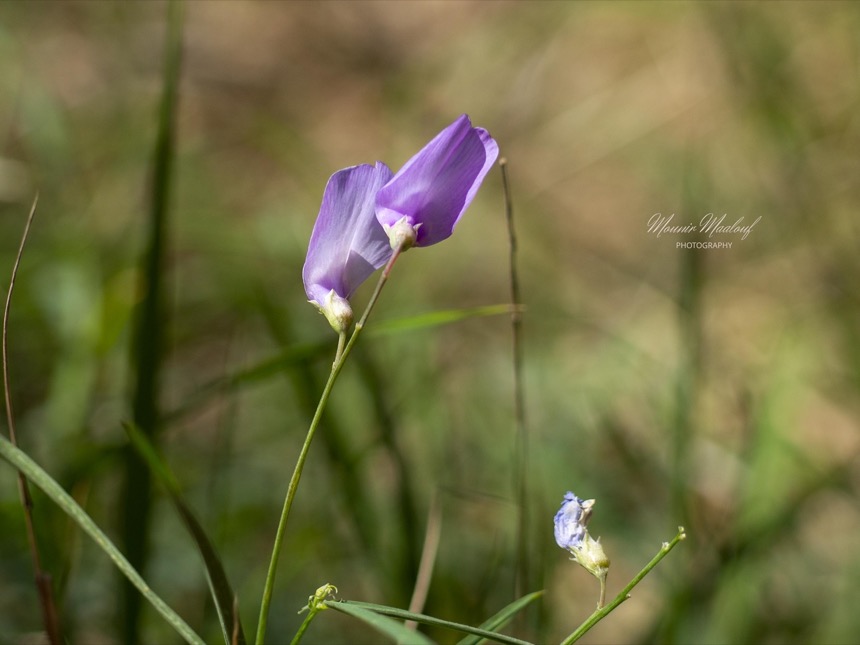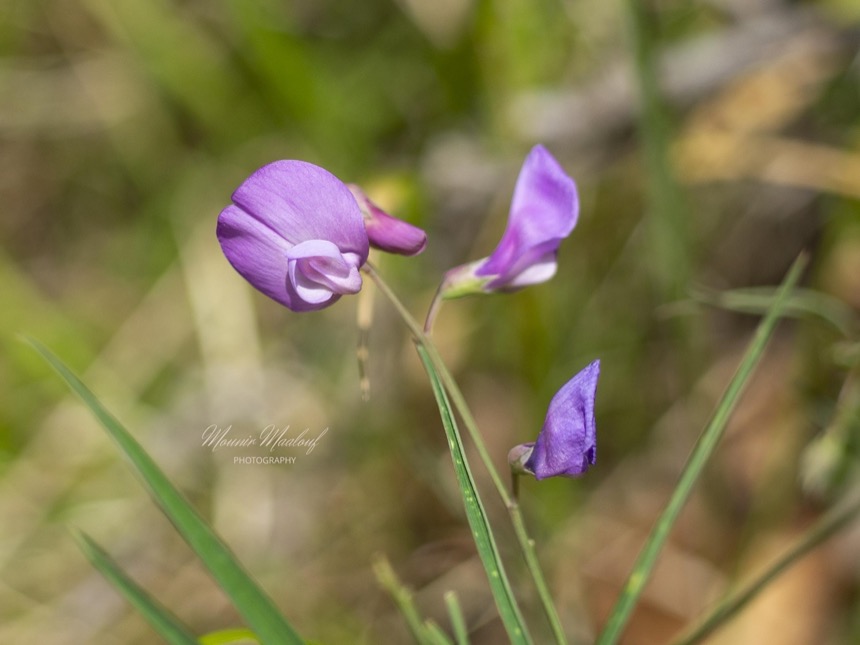
قتاد خطافي
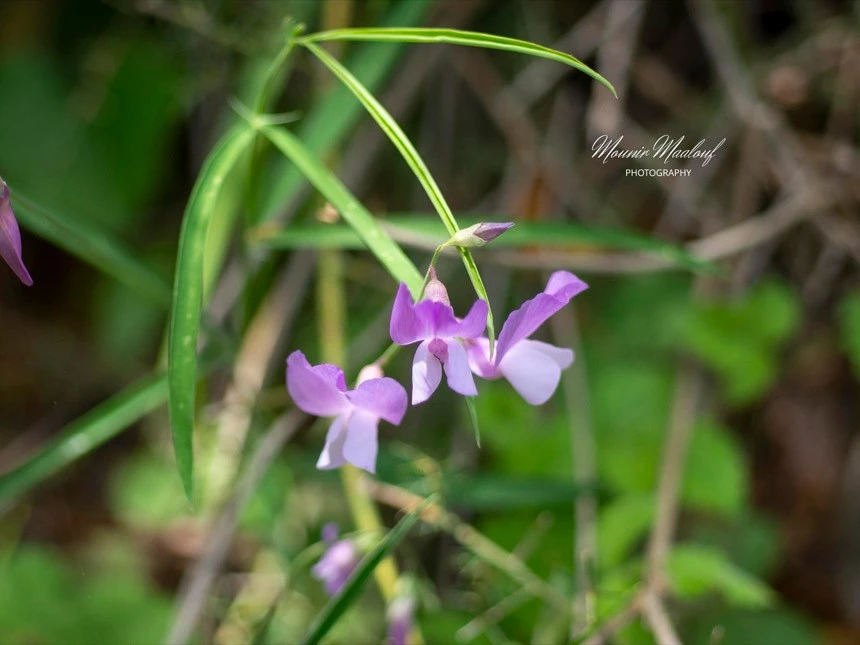
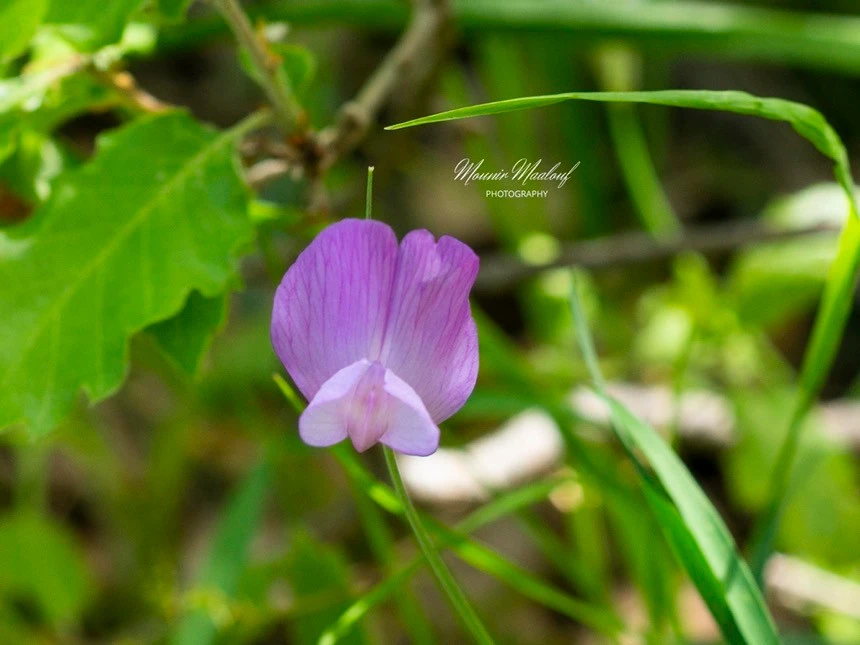
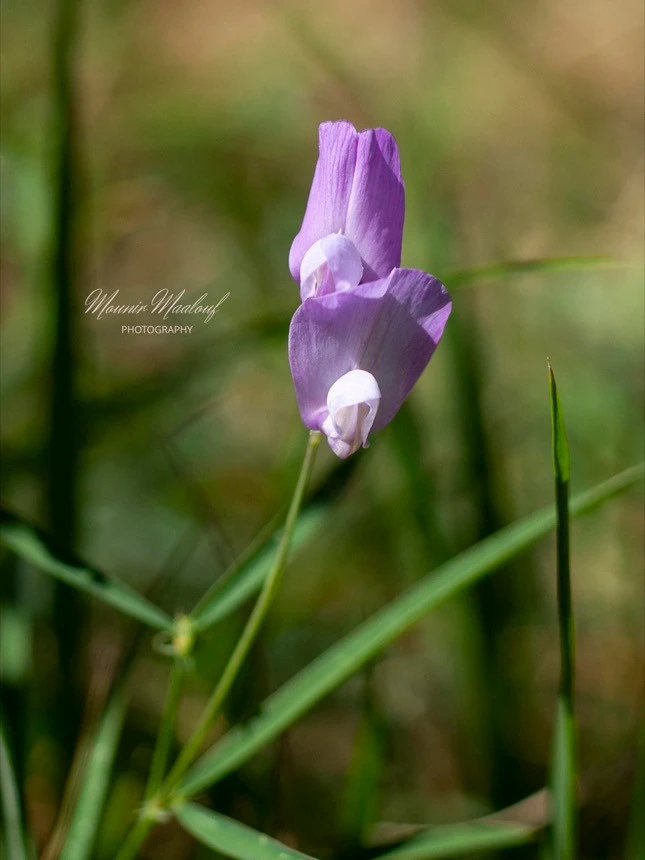
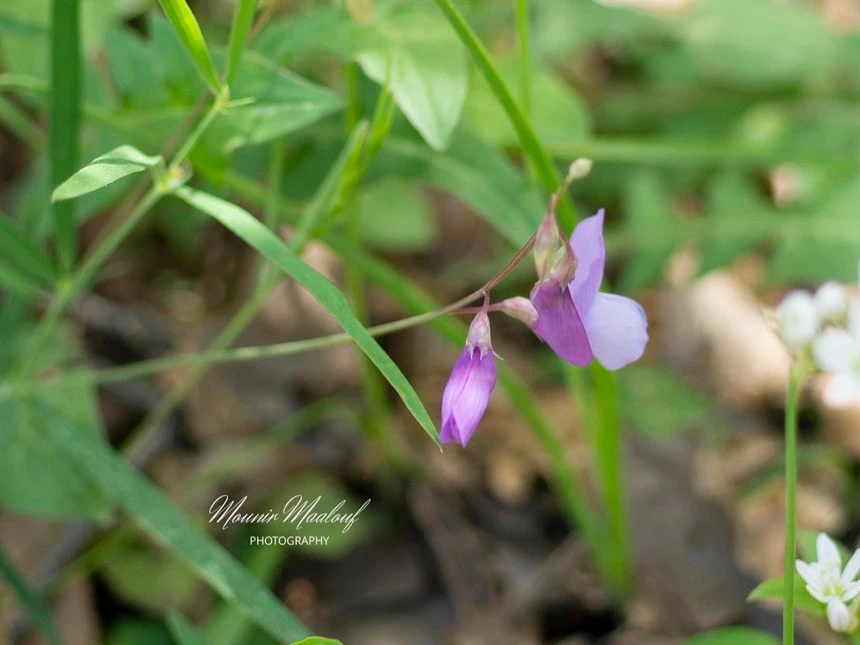
Astragalus hamosus
الفصيلة بقولية · Fabaceae
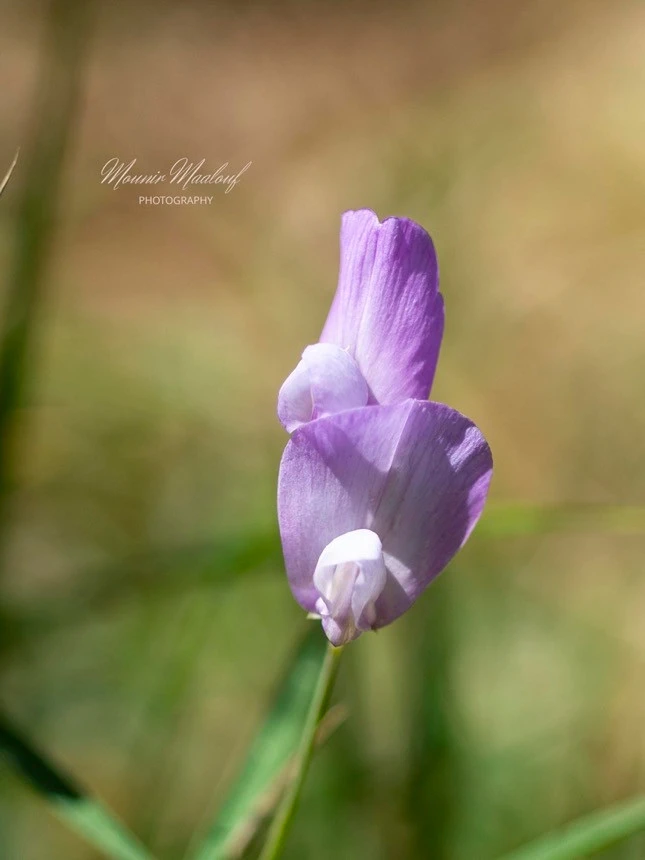
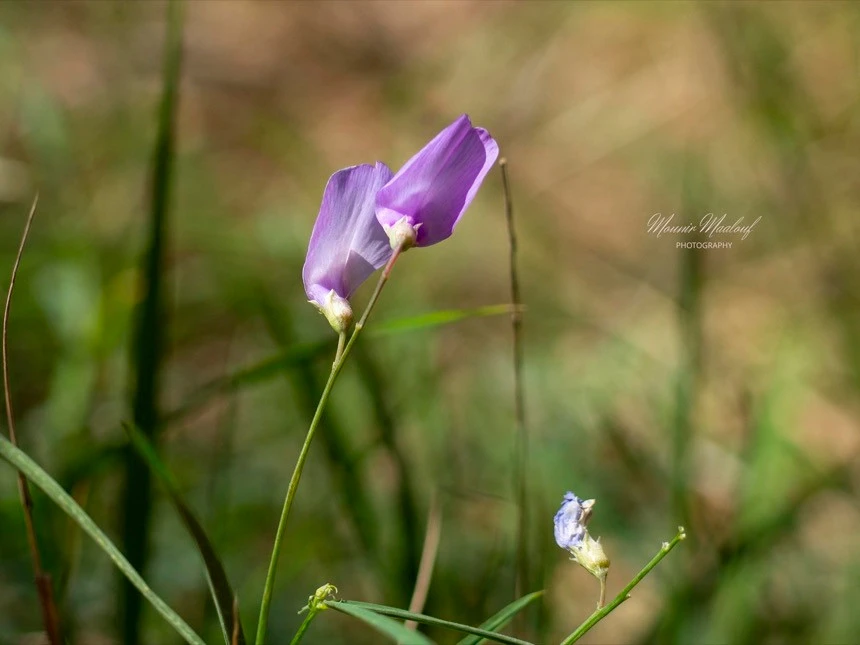
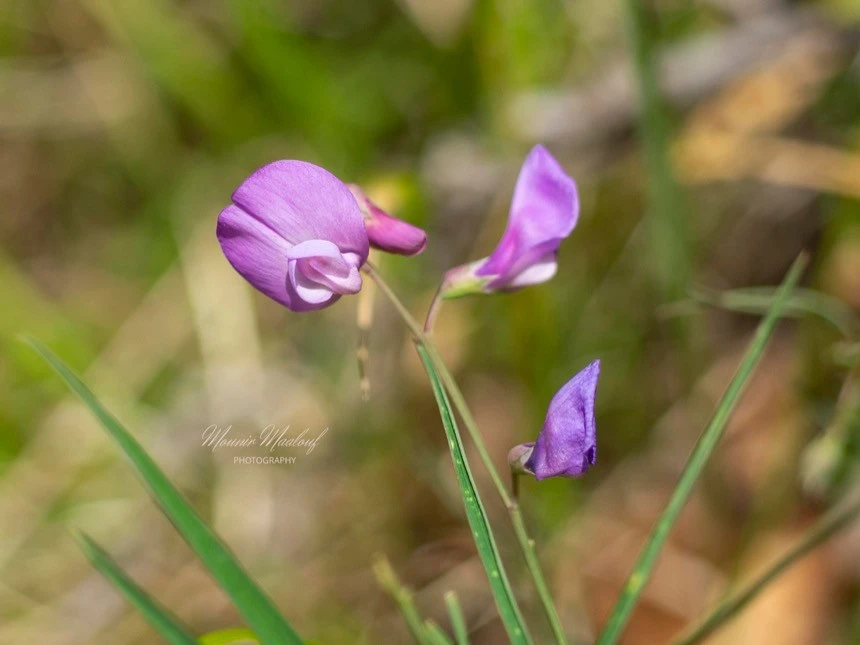
© Ramy Maalouf 2020 - 2026
© Ramy Maalouf 2020 - 2026
© Ramy Maalouf 2020 - 2026
© Ramy Maalouf 2020 - 2026
© Ramy Maalouf 2020 - 2026
© Ramy Maalouf 2020 - 2026
© Ramy Maalouf 2020 - 2026
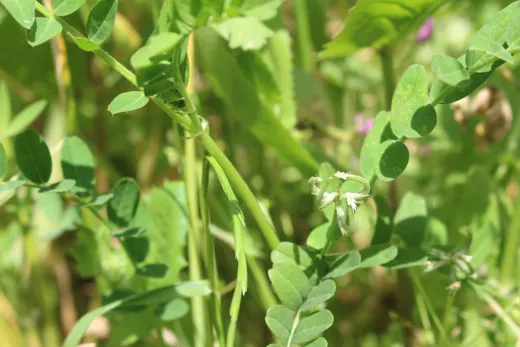
Life-form & diagnostic characters: Perennial herb. Davis distinguishes the true species by middle leaves with two pairs of leaflets, a broadly spatulate style, and calyx teeth with a somewhat membranous margin. Its racemes are shorter and bear fewer flowers than those of L. elongatus, which has consistently one pair of leaflets and more attenuated calyx teeth.
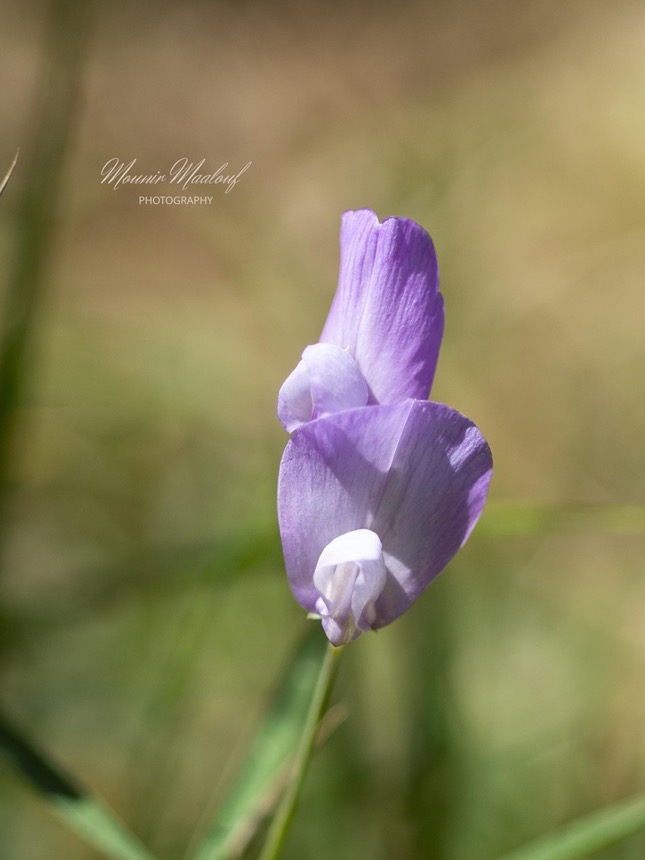
Historical regional morphology: Mouterde’s broader combined account describes plants glabrous or finely pubescent, with a short rhizome and erect, angular, unwinged stems 20–40 cm or taller. Stipules narrow and half-arrow-shaped; lower leaves with one leaflet pair, upper leaves commonly with two closely adjacent pairs. Erect peduncles usually exceed the leaves and carry loose racemes of 5–10 deep violet-purple flowers, 12–20 mm or longer. Pods linear, about 6 cm long and 7 mm wide. These measurements describe the historical combined treatment and are not a separately verified diagnosis of L. spathulatus.
Habitat & elevation: Intact or degraded woodland and grassy places in Mouterde’s combined treatment. No species-specific numerical elevation range is established by that account.
Regional distribution: Davis explicitly records the true L. spathulatus from the Amanus mountains, Lebanon, Anti-Lebanon and Jordan. Mouterde’s combined locality lists cannot be assigned unequivocally to this species.
Recorded locations: Kornet Chehwan.
Native range: Lebanon-Syria, Palestine and Türkiye, according to the previously verified complete Kew POWO distribution record.
Taxonomic reference: P. H. Davis, Materials for a Flora of Turkey: VI, Notes from the Royal Botanic Garden Edinburgh 24: 20–21 (1962).