Polygonum equisetiforme
الفصيلة بطباطية · Polygonaceae
معرض النبات
حقوق الصور وإسنادها
- المصدر · الصورة الأصلية
© Ramy Maalouf 2020 - 2026
- المصدر · الصورة الأصلية
© Ramy Maalouf 2020 - 2026
- المصدر · الصورة الأصلية
© Ramy Maalouf 2020 - 2026
- المصدر · الصورة الأصلية
© Ramy Maalouf 2020 - 2026
- المصدر · الصورة الأصلية
© Ramy Maalouf 2020 - 2026
الوصف النباتي
- الأوراق
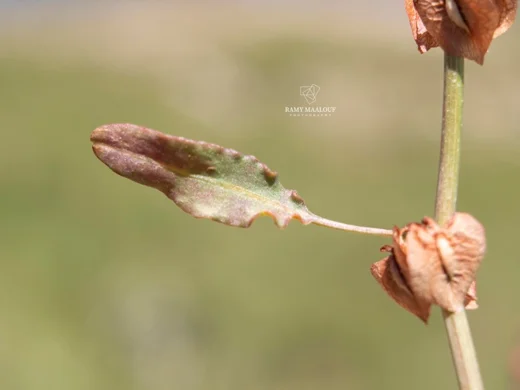
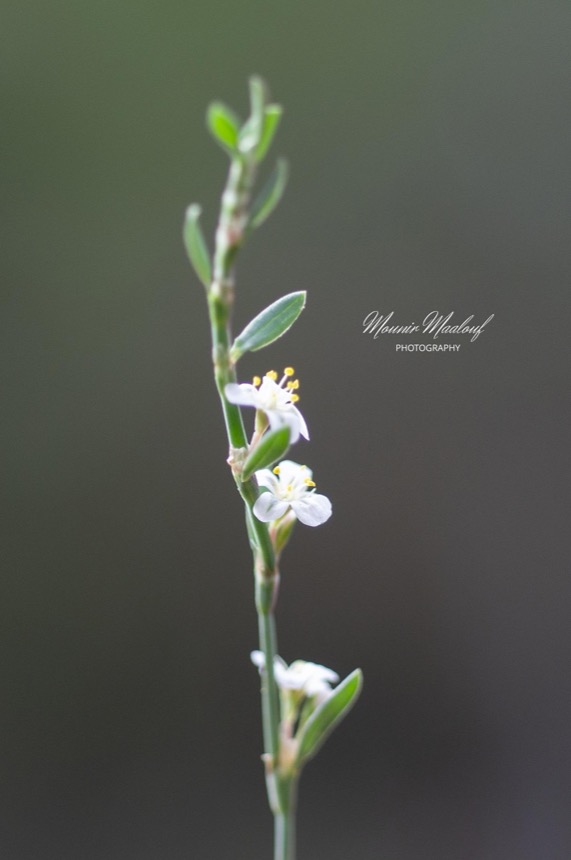
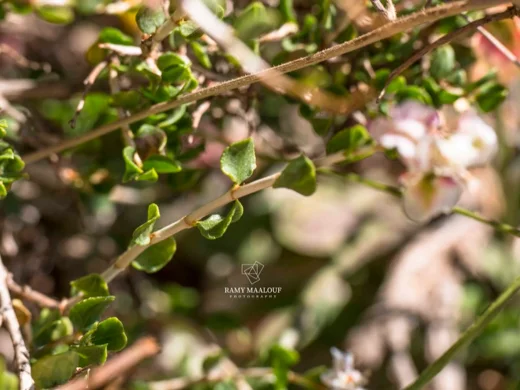
- Leaves: Highly variable: some reach 4 × 2 cm, while others are linear and scarcely exceed 1 cm. The sheathing stipules are brown below, silvery and translucent above, with torn tips and 5–6 veins.
- الأزهار
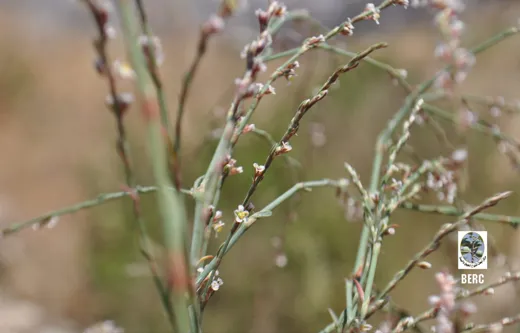
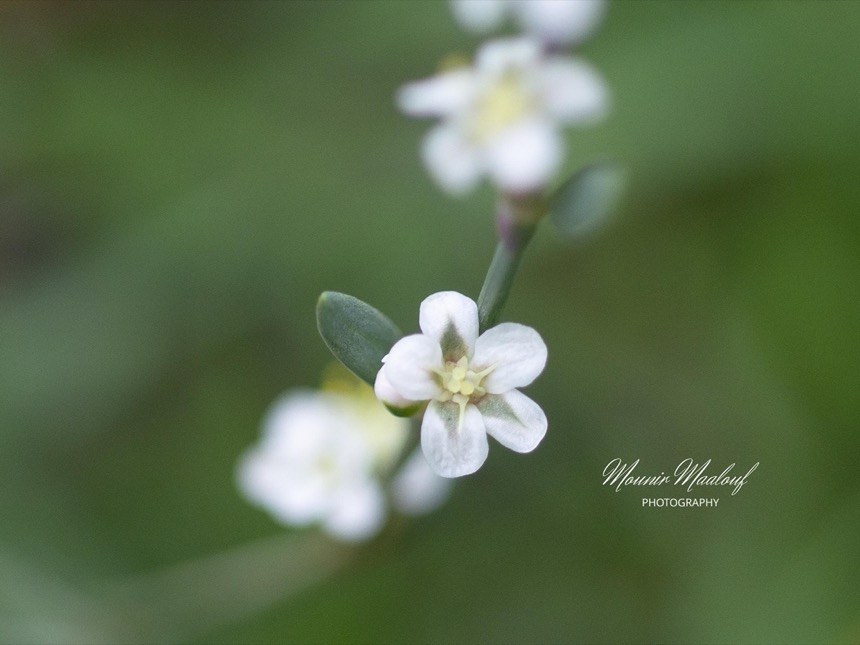
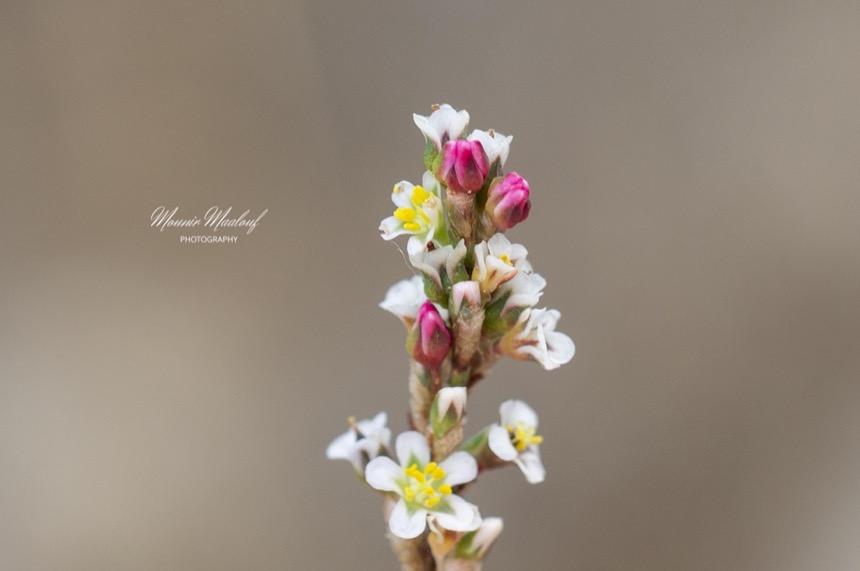
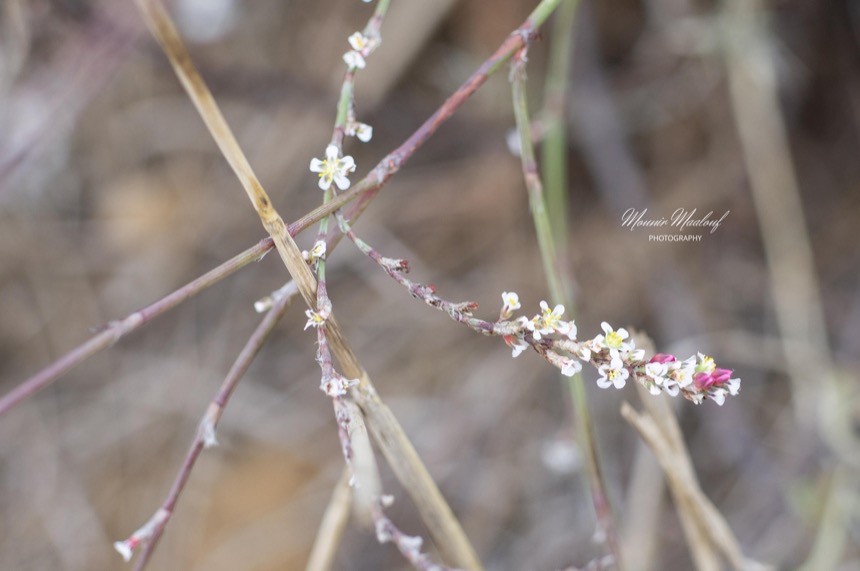
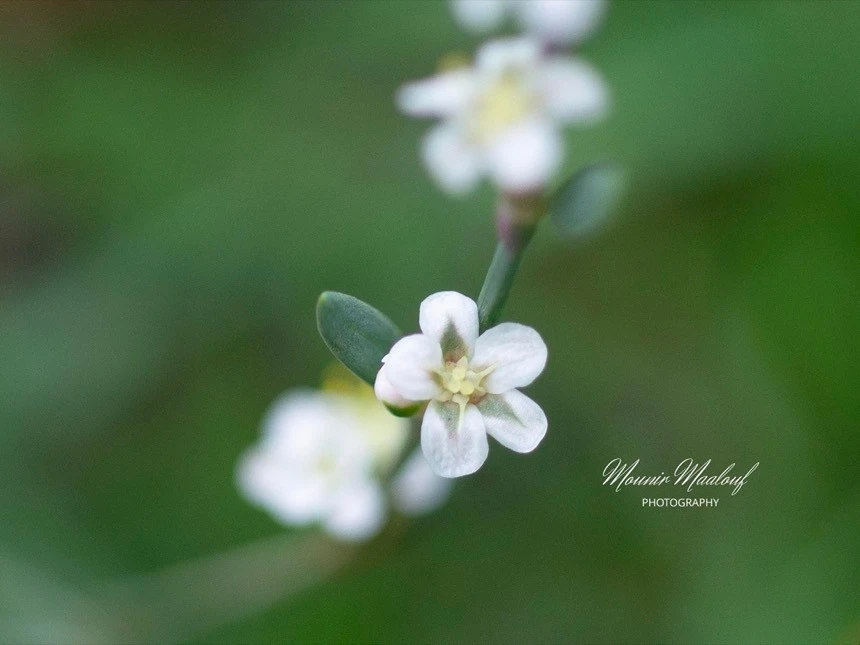
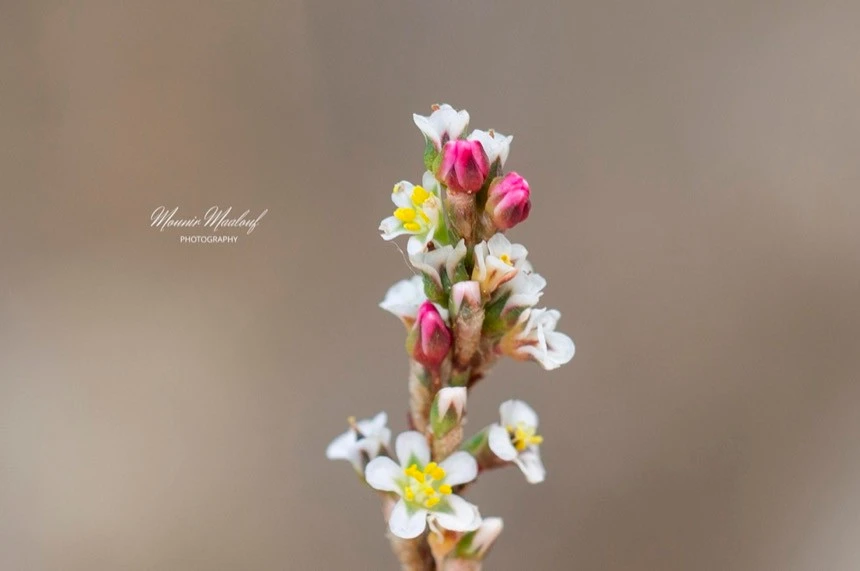
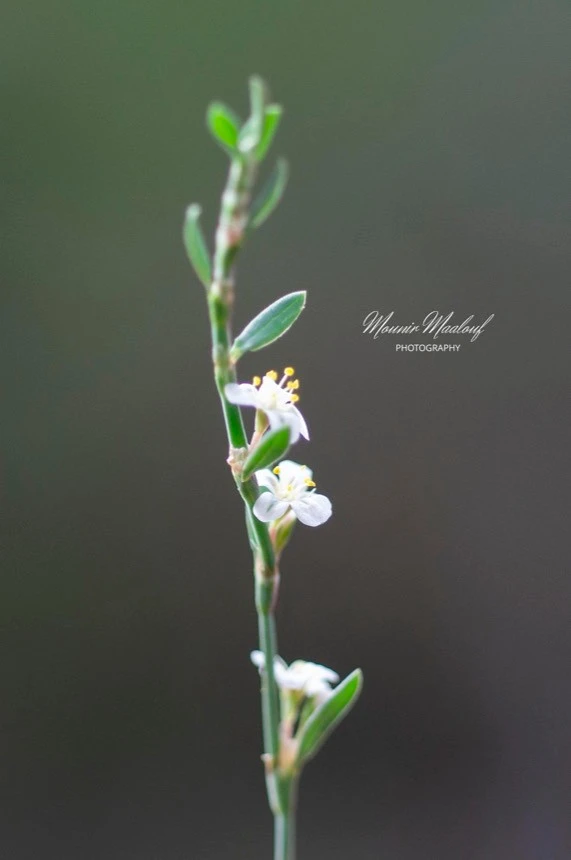
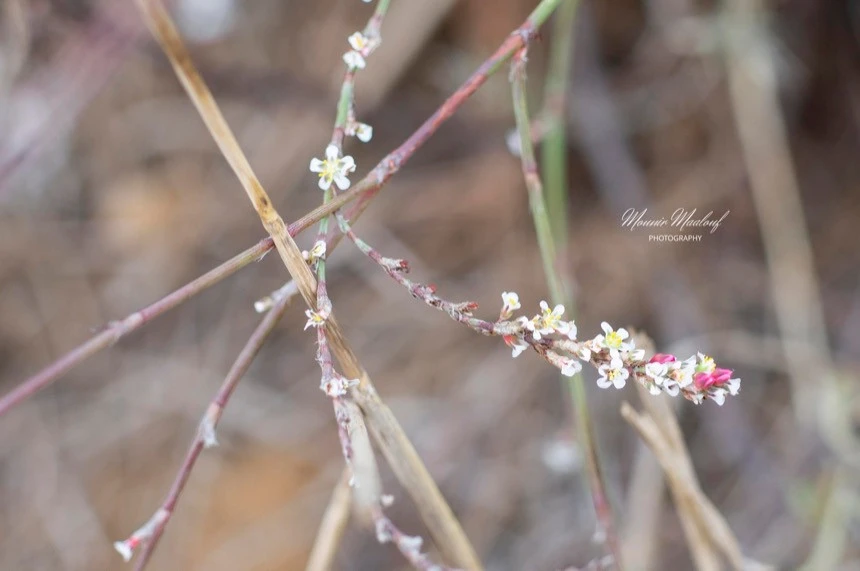
- Inflorescence & flowers: Usually long, slender, loose spikes of small two- or three-flowered clusters. Floral leaves are very small or reduced to their sheaths. The five blunt, oblong perianth segments are green with broad white or pink margins; flowers have 6–8 stamens and three very short styles.
- الثمار والبذور
- Fruit: Smooth, shiny, three-angled achene, about 2 mm long, brown-black or purple-black.
الموائل والبيئة
Habitat & elevation: Fields, disturbed ground and sand.
التربة والركيزة
مواسم النبات
- الفنلوجية
- Phenology: Flowering throughout the year.
الانتشار الموثق
Lebanese distribution: Coastal sand south of Beirut, Saida, Beirut, Fouar, Nahr el Kalb, Tripoli, Abey, Bdedoune below Aley, Kahale, east of Saida, Aley–Abadiye, Qraye, Hadeth cedars, Dimane, Roueissat, Zahle, Mount Hermon and Kornet Chehwan.
Syrian distribution: Qatma, Jabal Semaan, Tourmanine, Homs, Liftaya, Chinchar–Qossair, Qalaat el Hosn, Barada valley, southeast of Damascus, Adra, Hijjane, Chahba and Bardi oasis.
Native range: Algeria, Azores, Bulgaria, Canary Is., Cyprus, East Aegean Is., Egypt, Greece, Kazakhstan, Kriti, Lebanon-Syria, Libya, Morocco, Palestine, Portugal, Sicilia, Sinai, Spain, Tadzhikistan, Tunisia, Turkmenistan, Türkiye, Türkiye-in-Europe, Uzbekistan, Western Sahara.
Introduced into: Great Britain.
لمحة نباتية
- بنية النبات
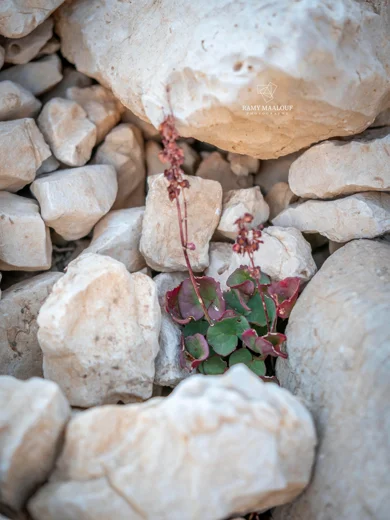
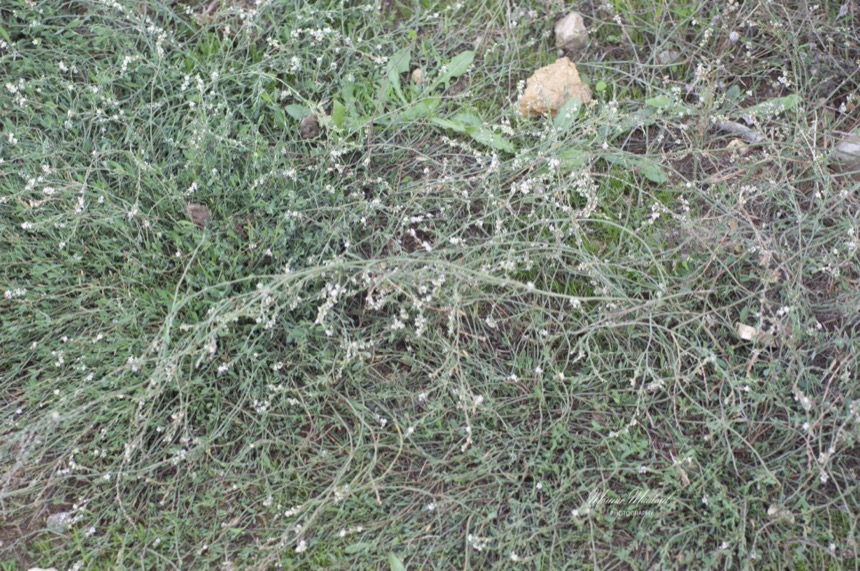
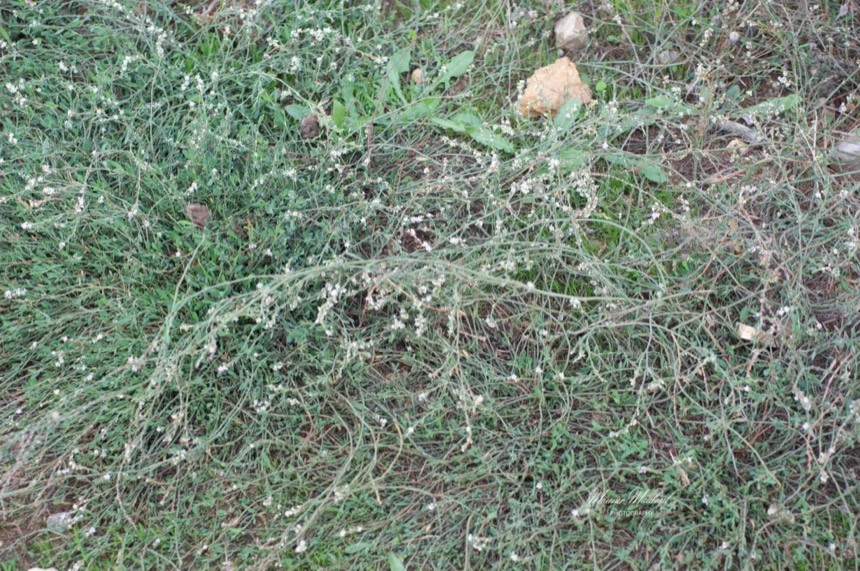
- Life-form & habit: Perennial with a very thick, dark, woody rhizome producing many smooth, grooved, hairless stems, trailing or ascending and sometimes exceeding 1 m.
- دورة الحياة
- معمرة
الفصيلة والتصنيف
- الاسم العلمي المقبول
- Polygonum equisetiforme
- الفصيلة
- بطباطية