بحث

بوصير طرابلسي

البوصير الطرابلسي

Verbascum tripolitanum

الفصيلة غدبية · Scrophulariaceae
الوصف النباتي

الأوراق
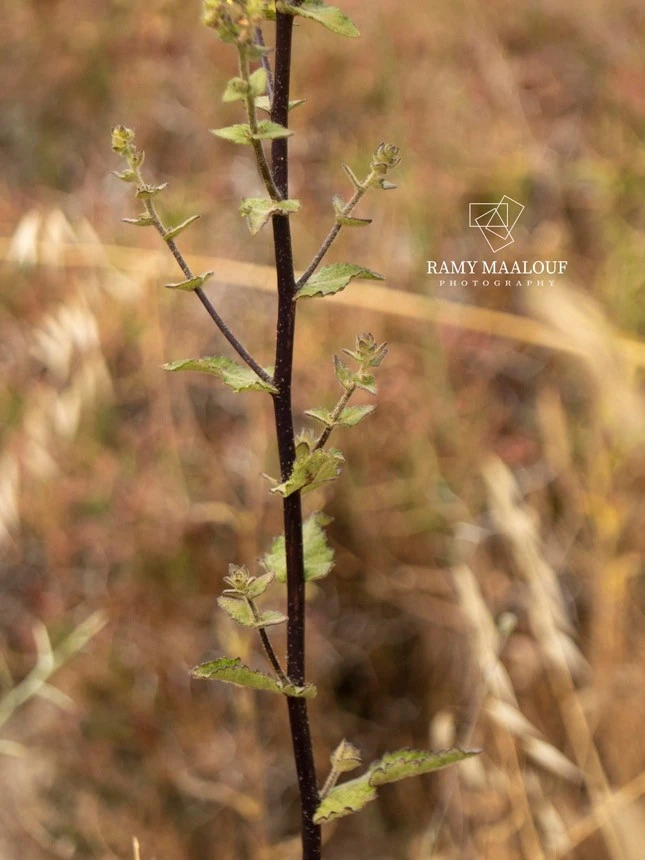
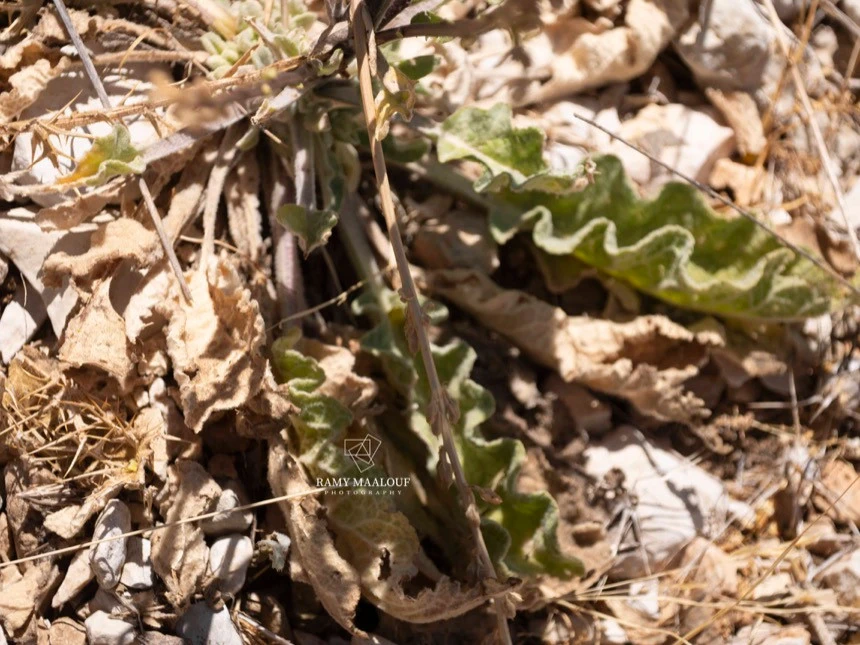
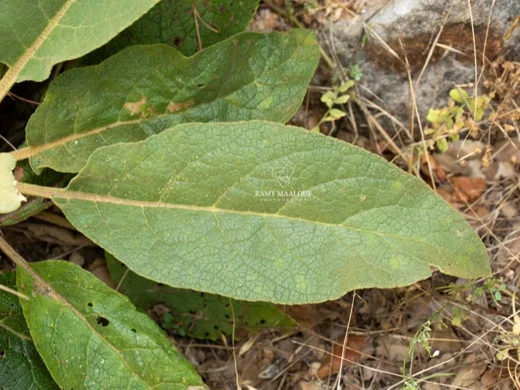
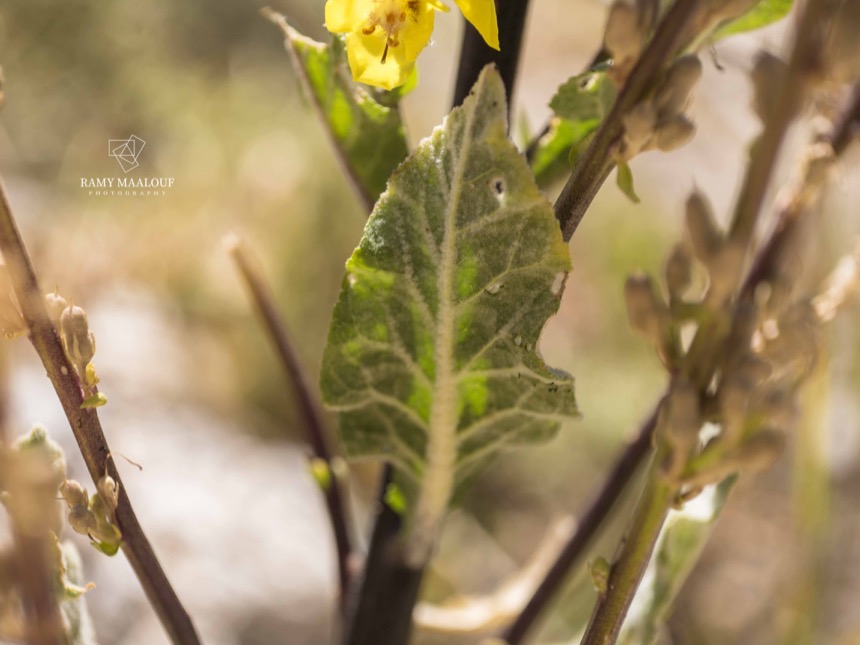
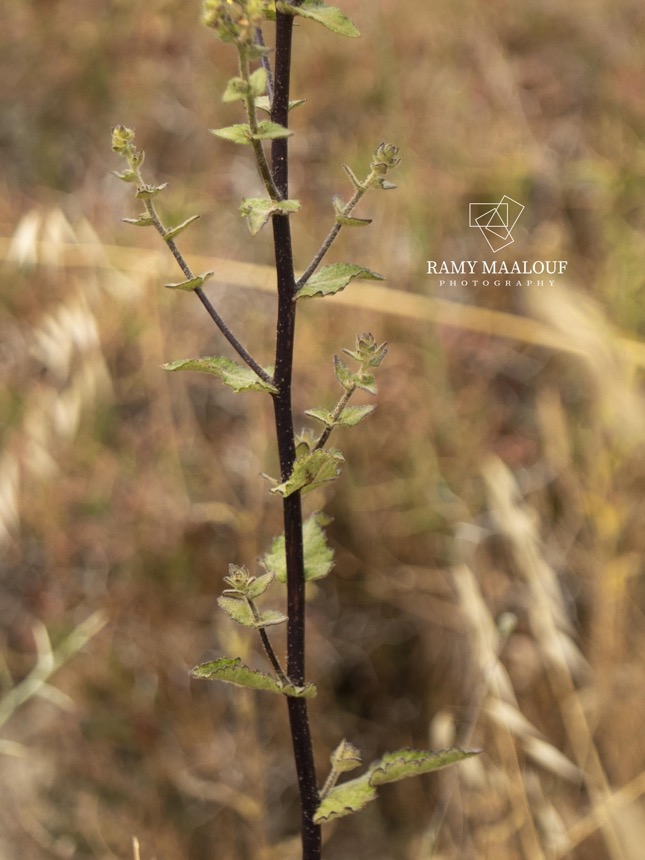
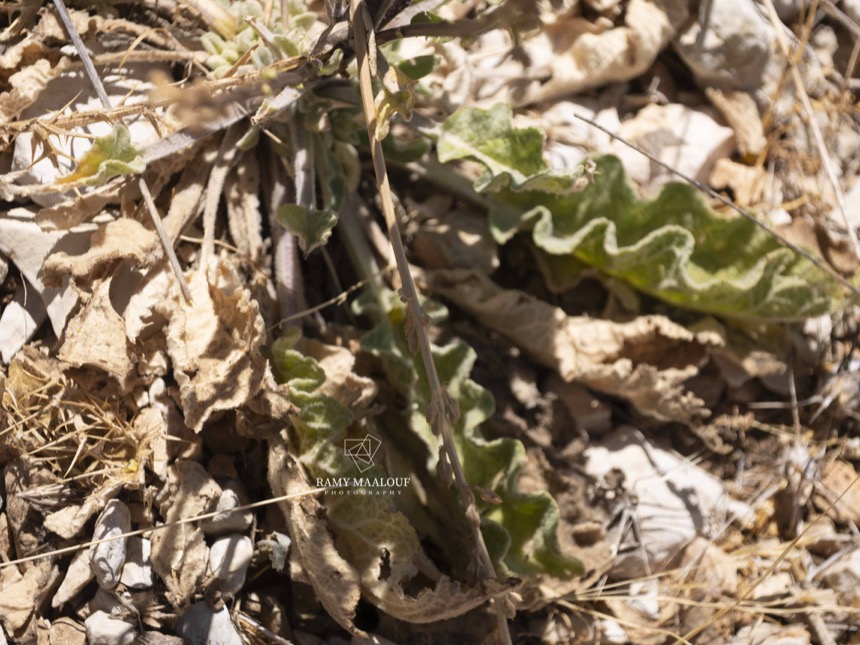
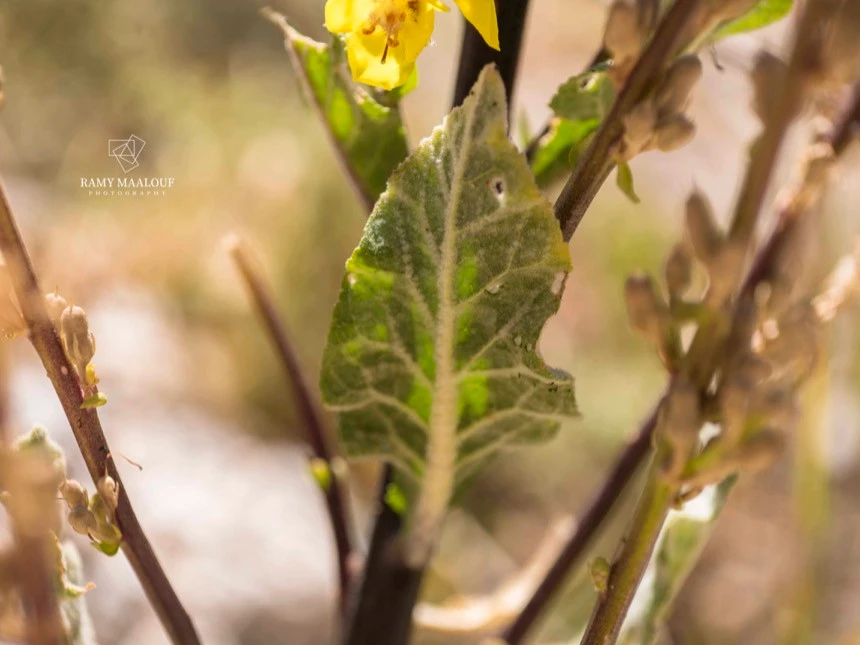
Leaves: Basal leaves on stalks 3–10 cm long; blades broadly or narrowly oblong, 6–35 × 2–15 cm, blunt, wavy-toothed or pinnately lobed and often undulating. Upper stem leaves stalkless, triangular, partly clasping, long-pointed and toothed.
الأزهار
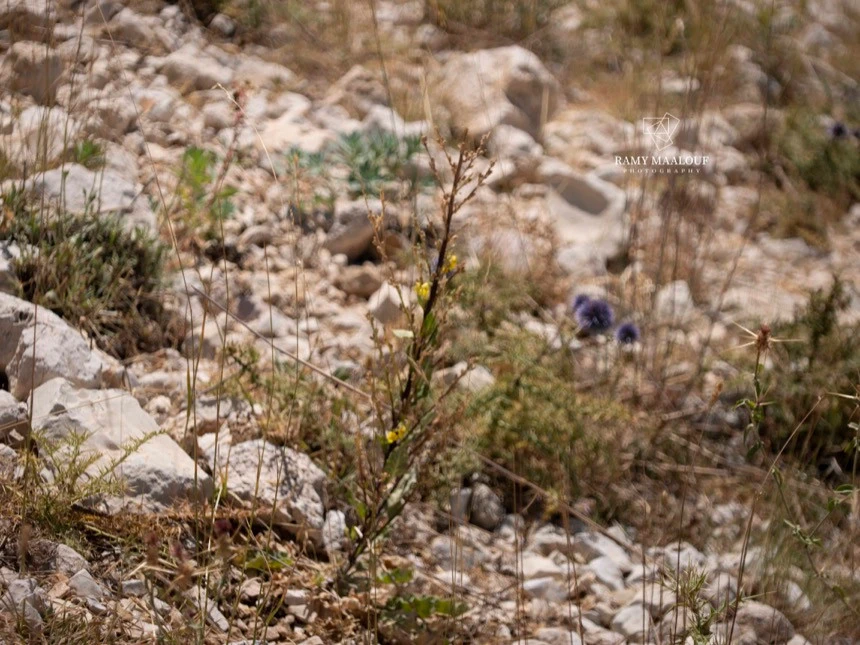
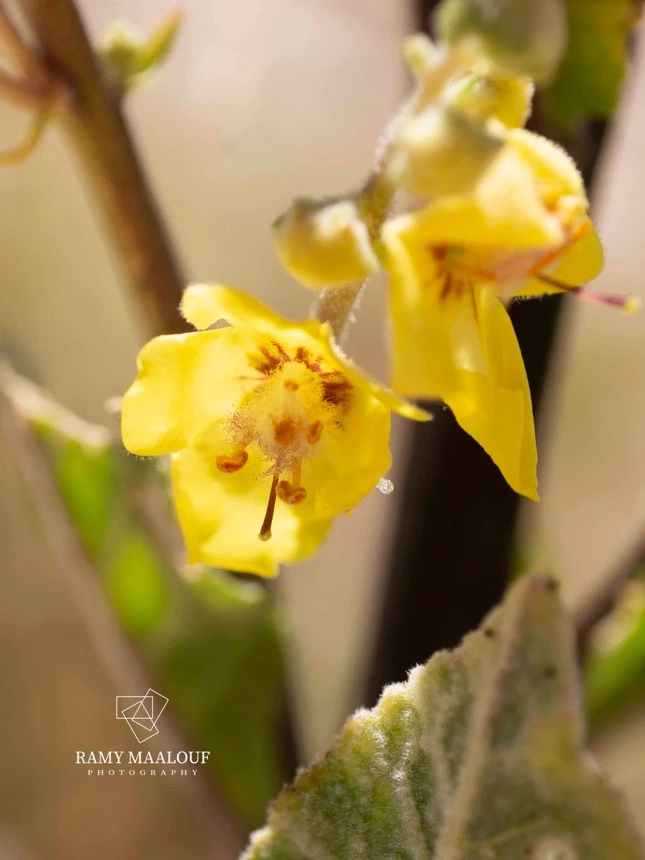
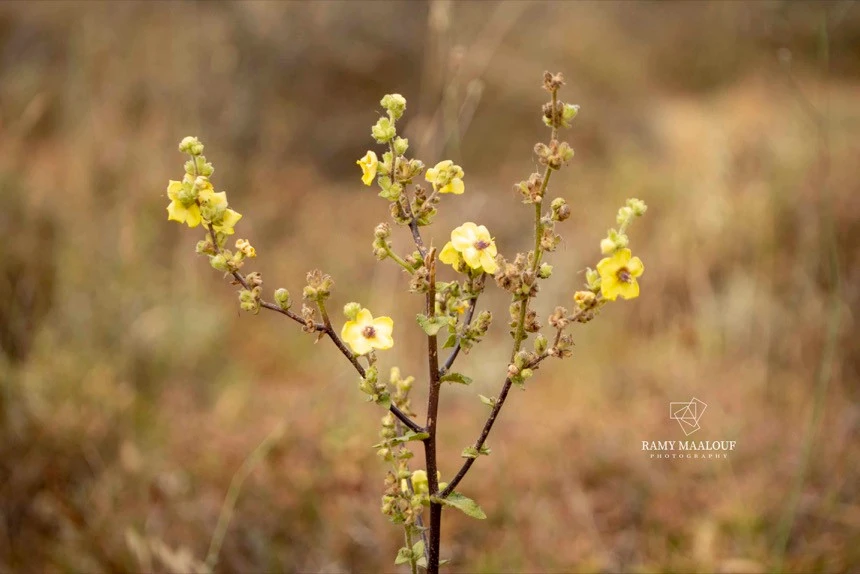
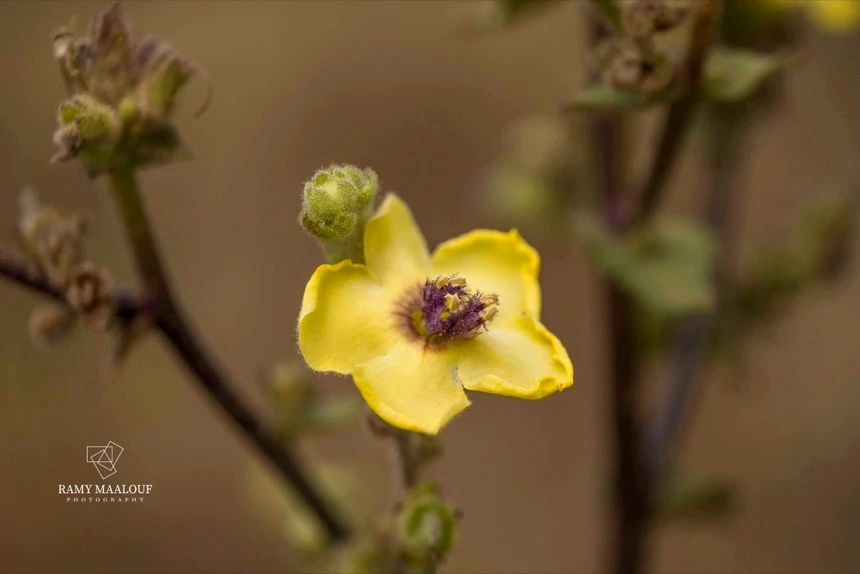
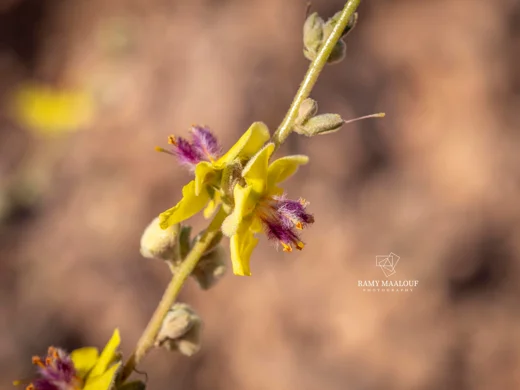
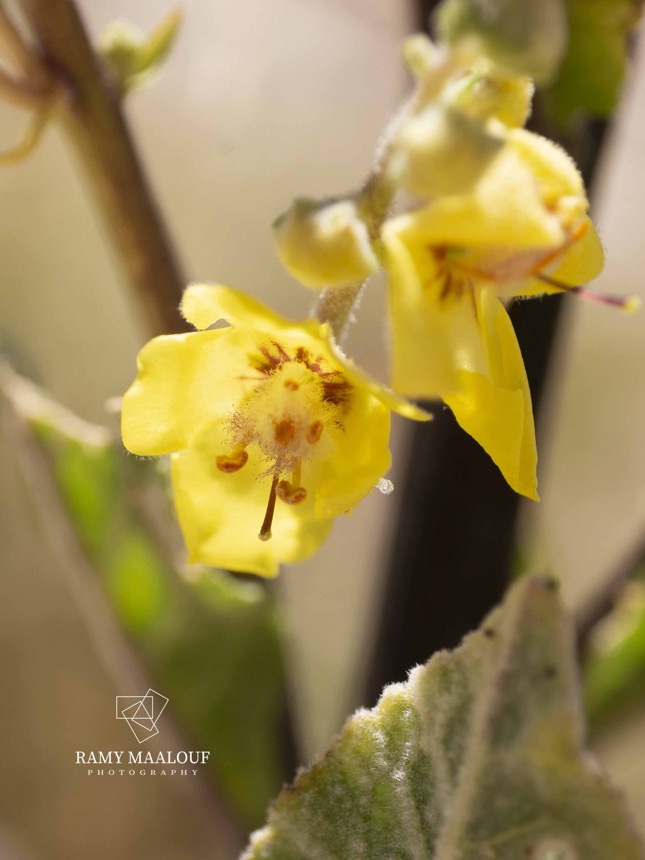
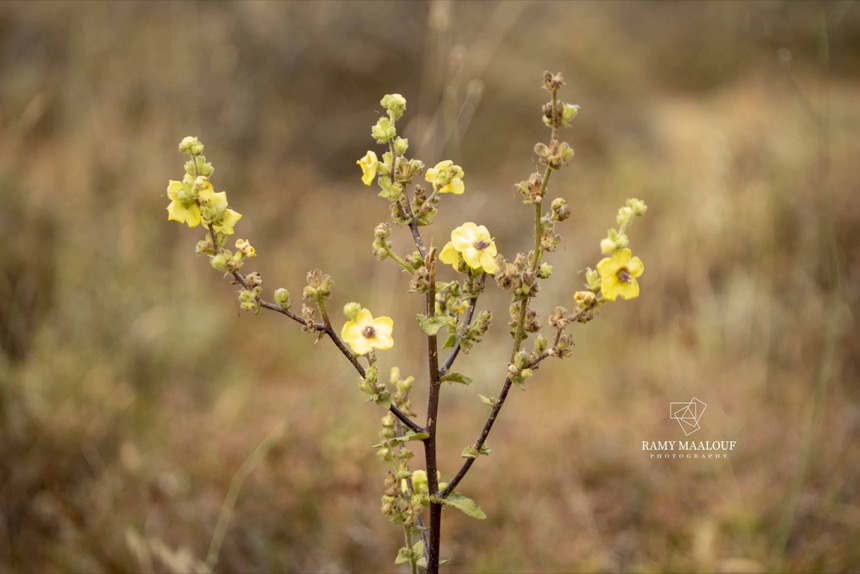
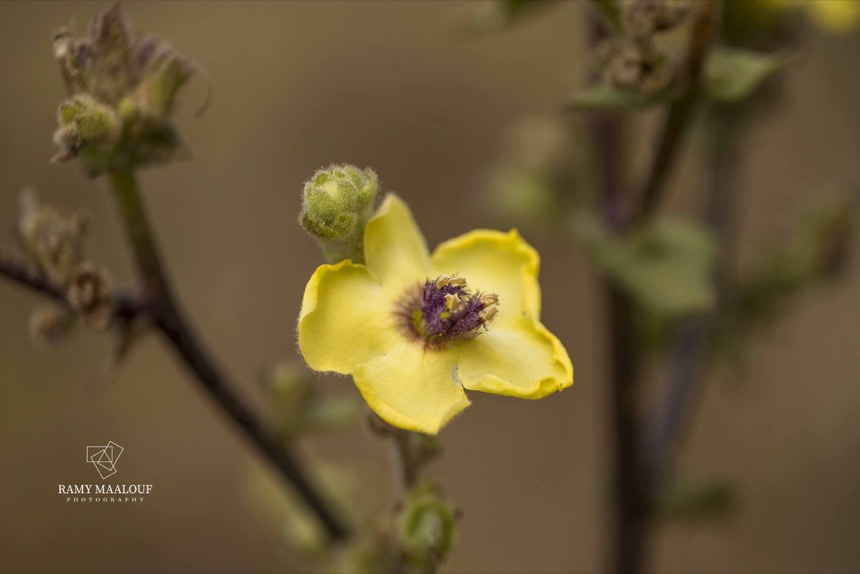
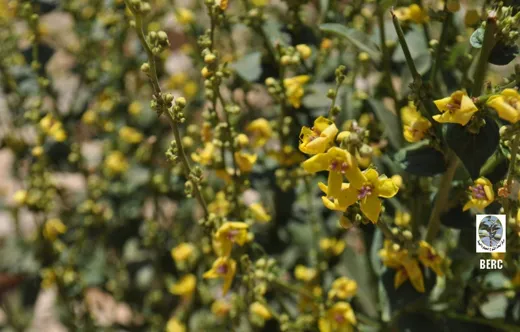
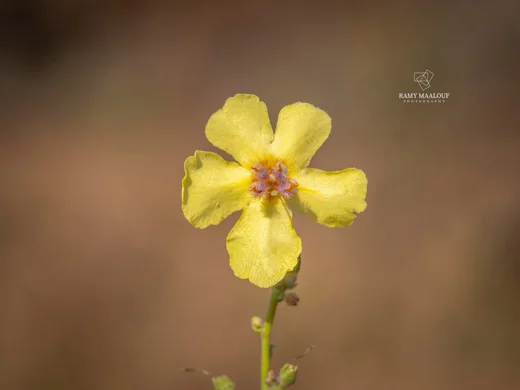
Inflorescence & flowers: Broad, loose, branched panicle with clusters of usually four to seven flowers, sometimes two, in the bract axils. Bracts broadly heart-shaped-triangular with a tiny terminal point; flower stalks 1–4 mm, with oval bracteoles. Calyx 5–7 mm, densely glandular, with pointed oval-oblong lobes. Corolla yellow, 30–40 mm across, with few or no translucent dots and a felted outer surface. Five stamens with centrally attached anthers; filaments purple-violet-haired, the upper two hairless at their tips.
الثمار والبذور
Fruit: Broadly elliptic, felted capsule, 4–4.5 × 3–3.5 mm.

الموائل والبيئة

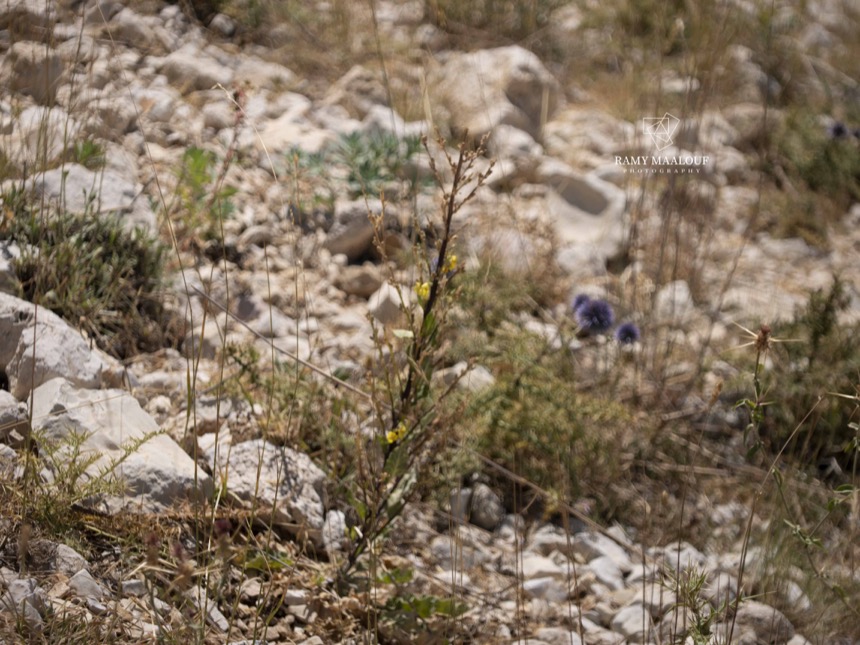
Habitat & elevation: Mediterranean regions.

مواسم النبات

الفنلوجية
Phenology: April–July.

الانتشار الموثق

Leb. Syr. Tur.

Lebanese distribution: Near Tyre, Saida, Damour, Beirut, Nahr el Kelb, Mar Roukos, Jounie, Batroun, Ras Chekka–Hamate, Tripoli, Fnaideq, Deir el Qamar, Aley, Bhamdoun, Ghosta–Chahtoul, Ain um Rusch, Beskinta, Maasser ech Chouf, Tourzaya, Jamhour, Broummana, Ghazir, Bikfaya, Qartaba, Zahle and Mount Hermon.

Syrian distribution: Latakia, Ain Haramiye, Wadi Qandil, Kessab, Bdama–Slenfe, Banias, Ras el Ain and east of Demir Kapou.

Recorded locations: Chouaiyya.

Native range: Lebanon-Syria, Palestine and Türkiye.
لمحة نباتية

بنية النبات
Life-form & habit: Biennial, 50–120 cm tall, with a rough yellowish covering, glandular above and becoming partly or largely hairless. Stems cylindrical, branched from the base.
دورة الحياة
ثنائية الحول

الفصيلة والتصنيف

الاسم العلمي المقبول
Verbascum tripolitanum
الفصيلة
غدبية

نباتات من الفصيلة نفسها

المظهر
خط النص
حجم النص
صغير100%كبير
معاينة مباشرة

وقد كان في الهجران لو كنتَ ناسِيًا
رَمِيمَ، وَهَلْ يُنْسَى رَبِيعٌ وَصَيِّفُ

Salvia lanigera Poir.